The Latest on Equine Regenerative Medicine
Learn about new applications for biologic therapies to treat horses’ infertility, wounds, ligament injuries, and eye issues.

Learn about new applications for biologic therapies to treat horses’ infertility, wounds, ligament injuries, and eye issues.

Early diagnosis and proper treatment of these joint problems can make the difference in whether the horse can return to soundness.
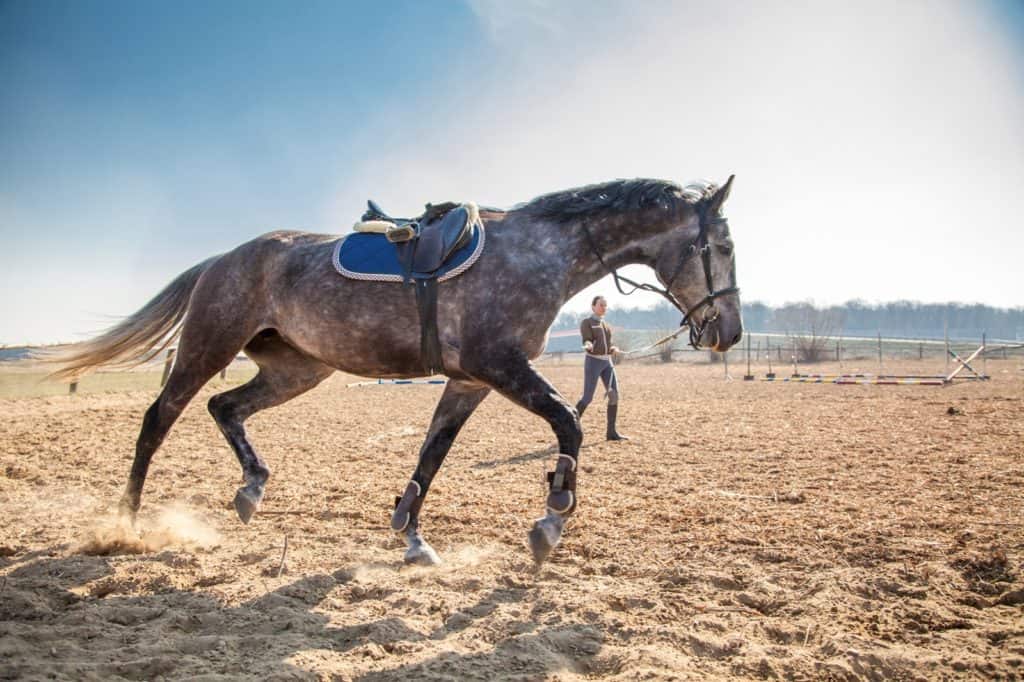
Longeing horses in a controlled way and avoiding overlongeing could be the most effective ways to protect their joints.

Proper shoeing aligns with a horse’s conformation and job, enhancing natural abilities with minimal interference.

Should you adjust your horse’s diet if he will have time off during winter? What changes are safe to make? An equine nutritionist explains.

Learn how and why this approach is a cornerstone in the treatment of dorsal spinous process impingement.

A horse’s ridden or competitive career doesn’t have to end after an osteoarthritis diagnosis. Two experts share tips for conditioning these animals.

One veterinarian describes what management changes you can make to keep your arthritic horse comfortable.

Learn what you can do to help your horse recover from a joint injury and give him a better prognosis for the future.

Horses with certain health conditions should skip sweet treats. Find out if your horse is one.
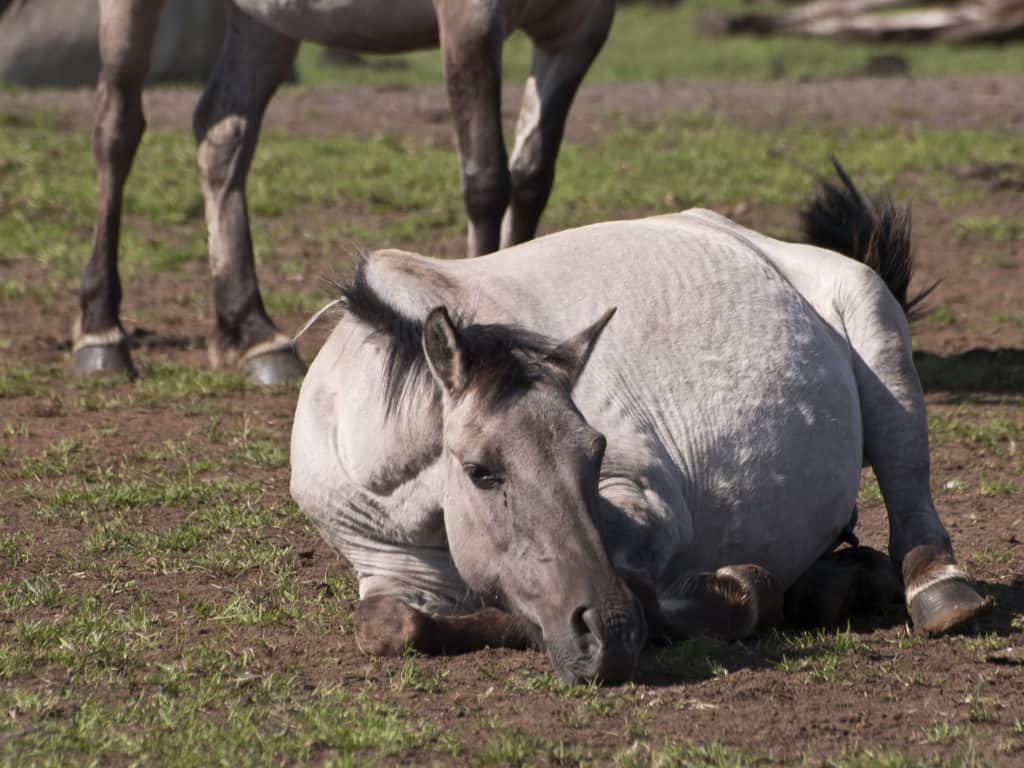
Many conditions besides colic can cause coliclike signs. And with colic, delayed treatment or misdiagnosis can have serious consequences. Here’s what you need to know.

Two veterinarians explain why horses develop hunter’s bumps and how to treat them.

Equine osteoarthritis in the hind limb can be a painful condition for the horse, but your veterinarian can help.

The racing industry is leading the charge in identifying at-risk athletes before catastrophe occurs.

Cold, inclement weather and poor footing can create challenges for exercising horses during the winter. Here are some factors to keep in mind.

Probiotics might help reestablish healthy balances in the horse’s gut microbiome without causing harm.