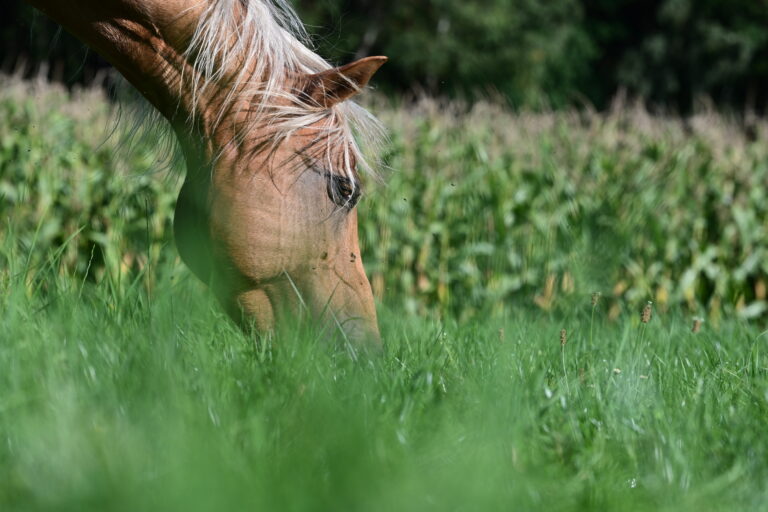
Helping Your Horse Gain Weight
A veterinarian explains how to increase a horse’s weight safely.

A veterinarian explains how to increase a horse’s weight safely.

Two veterinarians explain 10 things you might not know about equine rehabilitation.

This inflammation of the lungs most commonly affects foals, but that doesn’t mean your mature horse isn’t at risk.

Controlled exercise, as discussed with your veterinarian, can be part of a successful rehabilitation program.

Learn about preventing and managing equine osteoarthritis in our visual guide.

Equine hydrotherapy generally allows for patient-specific approaches to rehabilitation and training.

Researchers are redefining the muscular diseases long called “tying-up.” While they seem similar, the causes are different, and each requires specific management.
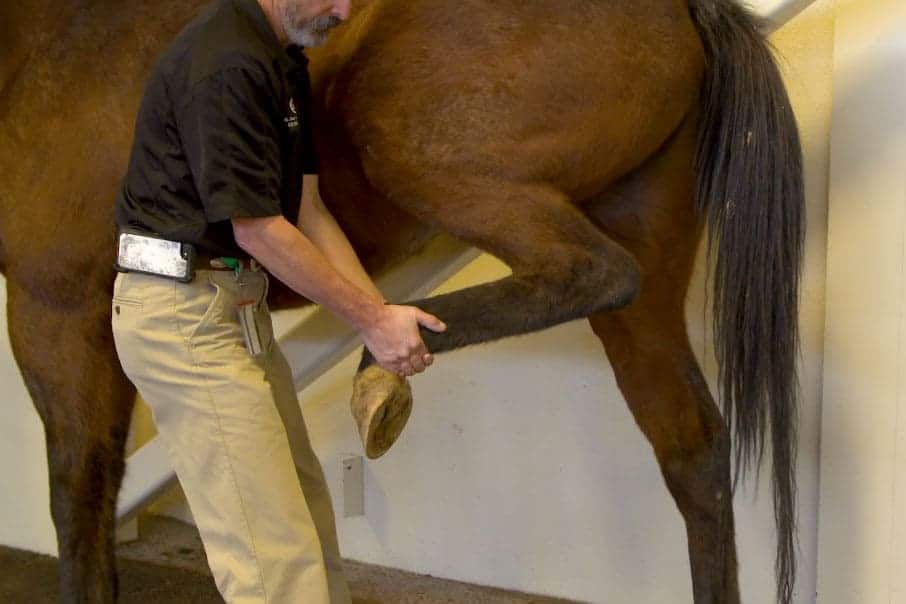
A veterinarian evaluates a horse’s soundness using flexion tests.

Researchers showed that three repetitions of a task per training session yielded the same results as six in a group of study horses.


Judges often place overweight ponies—which could be at greater risk for metabolic issues and laminitis—higher than their leaner counterparts in competition.

Horses at different life stages have a variety of immunization requirements, but they’re not as complicated as they might seem.

Horses with gastric ulcers might appear thin and not perform as well as they used to. But many others never show any outward signs.

How can biomarkers be used to help improve performance and reduce injury risk in horses?
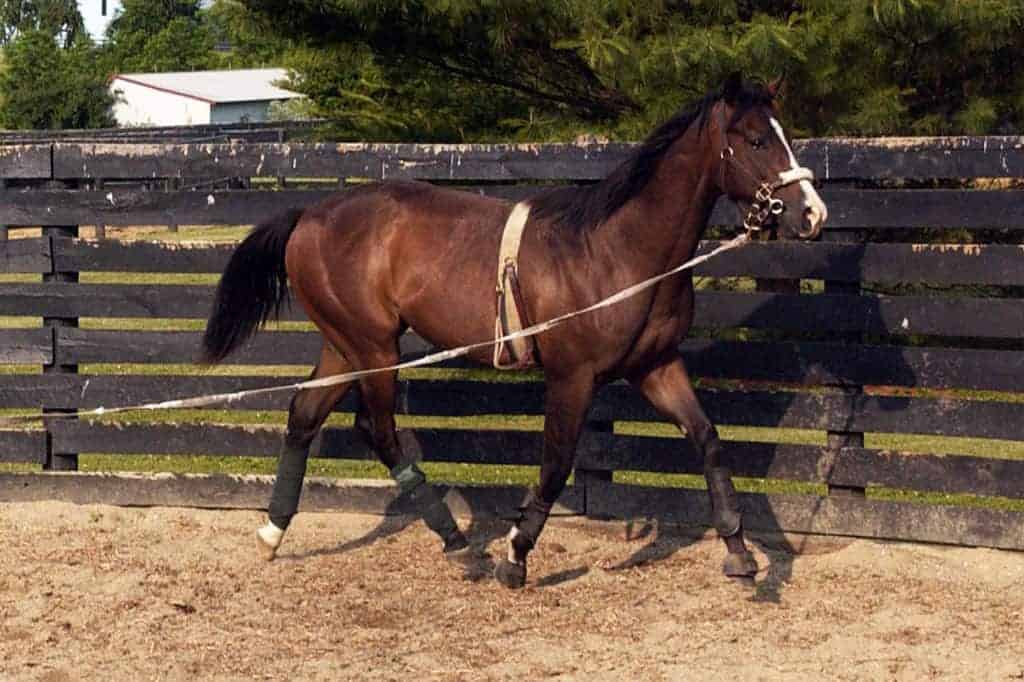
Young horses in work have different nutritional needs than their adult counterparts.

Palpating your horse’s back can help you determine if he’s uncomfortable.