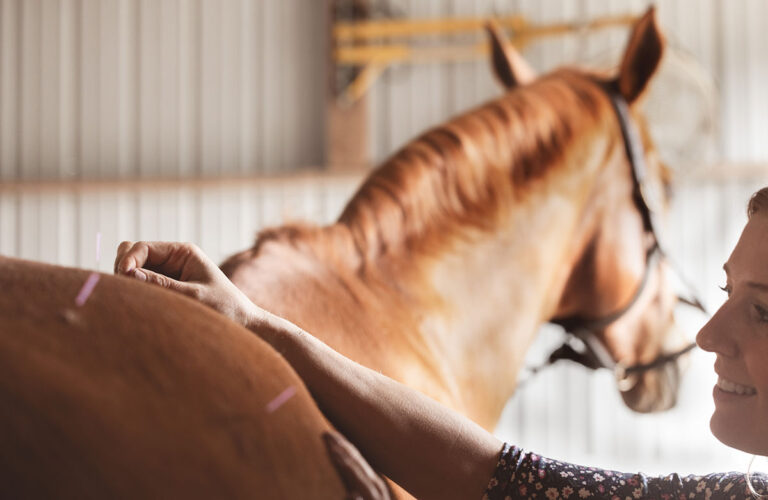
Kissing Spines in Horses
Learn about diagnosis, treatment, and long-term management of back pain caused by kissing spines in horses.

Learn about diagnosis, treatment, and long-term management of back pain caused by kissing spines in horses.
Three experts offer suggestions for keeping horses in their teens primed for action. Read more in the Summer 2026 issue of The Horse.

An equine sports medicine specialist shares how footing can impact soundness and offers footing selection advice.

An equine nutritionist explains how horses use dietary fats for energy and why some metabolic horses might need additional fat sources.

High-speed maneuvers and abrupt stops can take a toll. Learn how to help Western performance athletes stay sound and competitive.
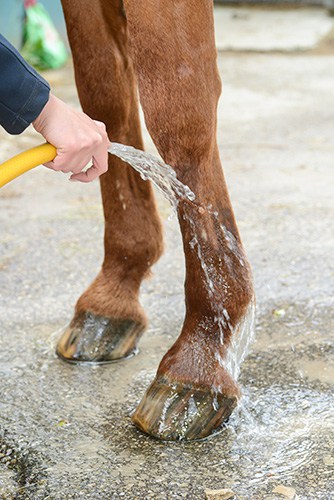
Should you cold hose or ice your horse’s legs after riding? The answer is more complicated than you might expect.

If your horse struggles to keep weight on in summer, here’s how to safely increase his calories.
Electrolyte loss through sweat can lead to dehydration, fatigue, and poor recovery. Here’s how to support your horse’s health during work and warm weather.
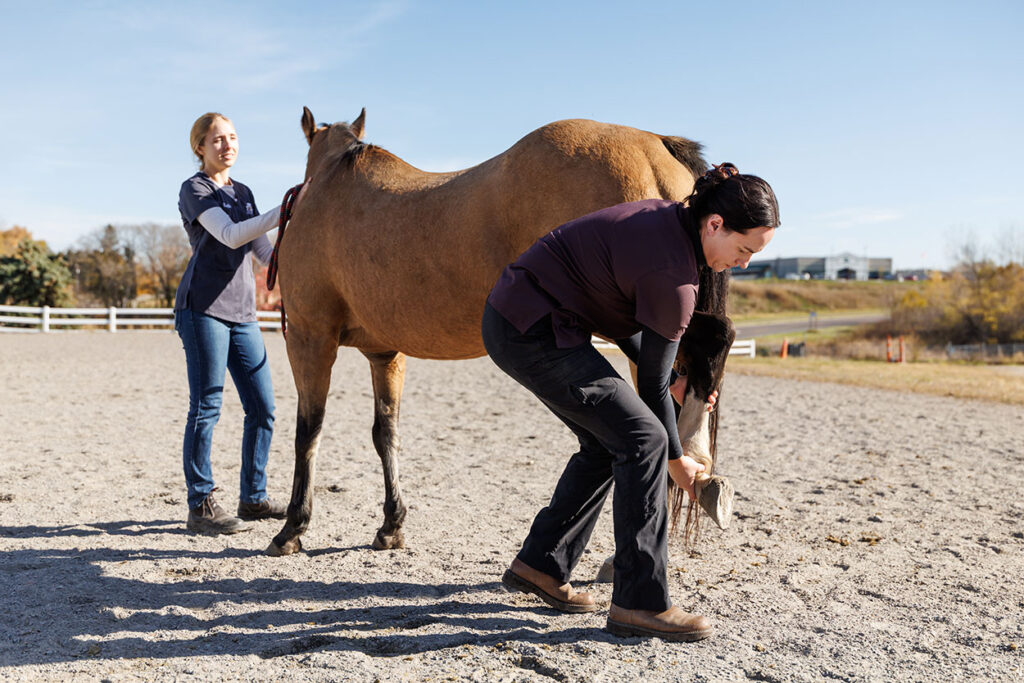
Delaying treatment, letting horses get overweight, and other common mistakes can contribute to arthritis progression and affect comfort and performance over time.

Horses can (and will) find unique ways to injure themselves. In this article we’ll highlight 4 of the most common causes of sudden lameness.

Protecting your young horse’s musculoskeletal system can help reduce his risk of injuries later in life.

Find out how antioxidants support your horse’s overall health and how to ensure his diet provides enough of them.

Explore the causes of and treatments for this common muscular problem in horses, along with prevention methods.
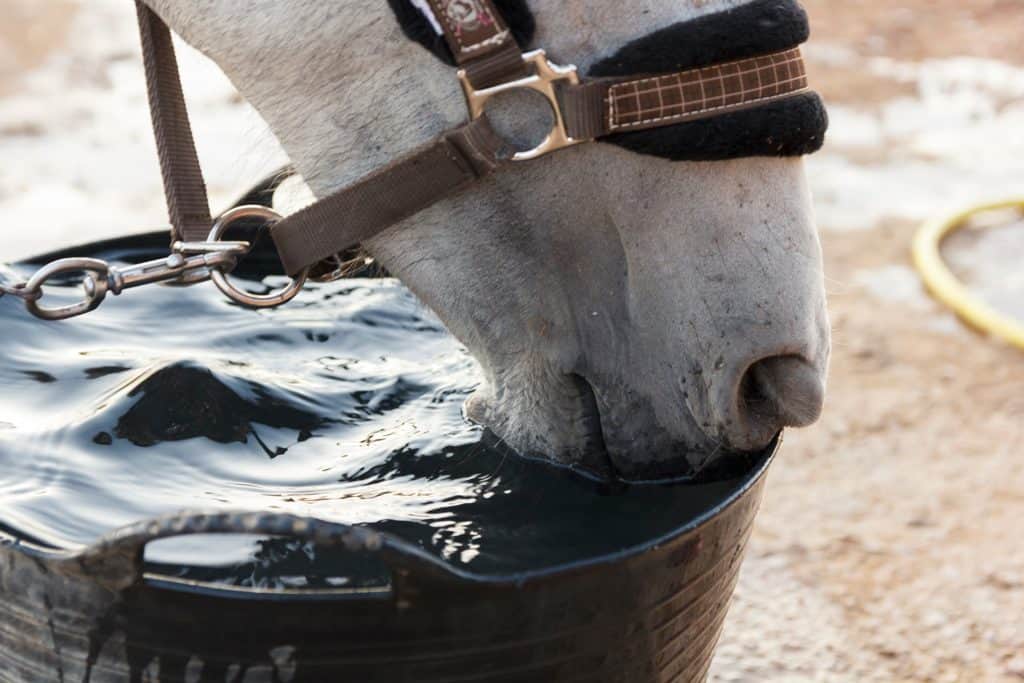
Keeping competition horses well hydrated isn’t always easy. An equine nutritionist offers tips to help prevent dehydration.

Do you know what to do–and just as importantly, what not to do–if your horse displays vague, mild, or serious signs of what might be colic? Your answer could save your horse’s life. Sponsored by Kentucky Performance Products.

Degenerative suspensory ligament desmitis can cause progressive fetlock dropping and joint pain. Learn how veterinarians manage affected horses.