Why Do Horses Buck?
Read about 9 physical and behavioral reasons your horse might be kicking up his heels.

Read about 9 physical and behavioral reasons your horse might be kicking up his heels.

Varying the surfaces on which you exercise your horse can help produce a strong, well-rounded equine athlete.
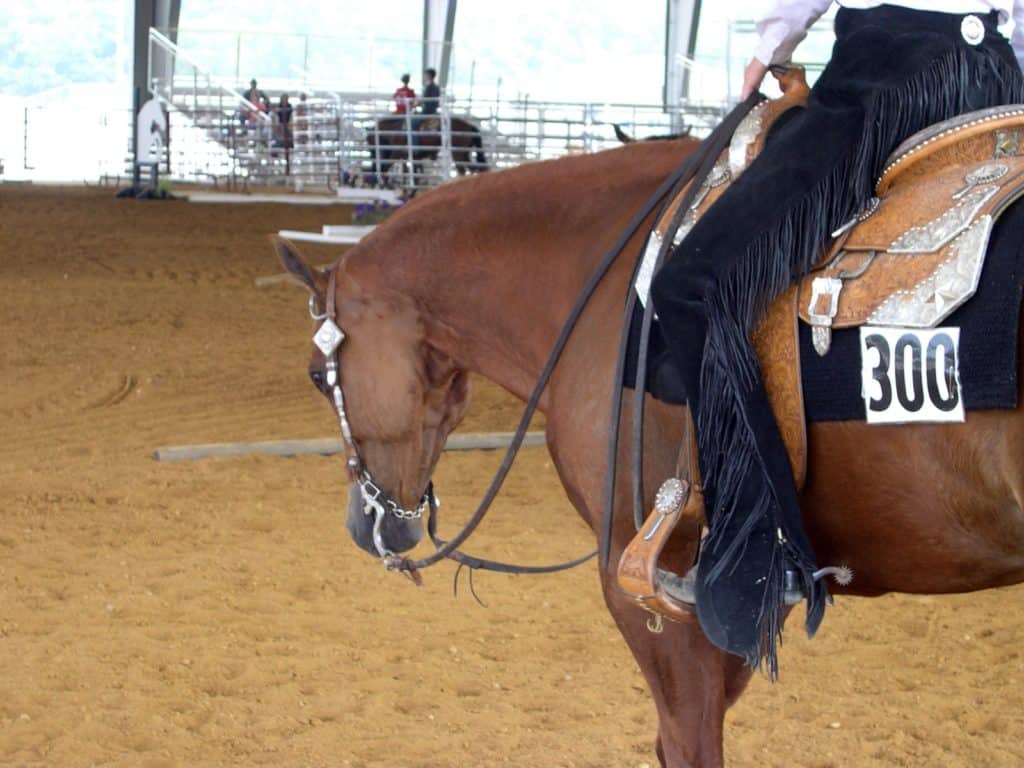
Getting your horse ready for show season starts at home. Here’s how to make sure he’s truly ready before you head back to the ring.

A comprehensive look at options for keeping equine athletes with arthritis on the move. Sponsored by Bimeda.

Do you have a horse with flaky skin and a dry mane and tail? The right feed might help.

Careful dietary management helps horses with EMS stay in work while reducing laminitis risk.
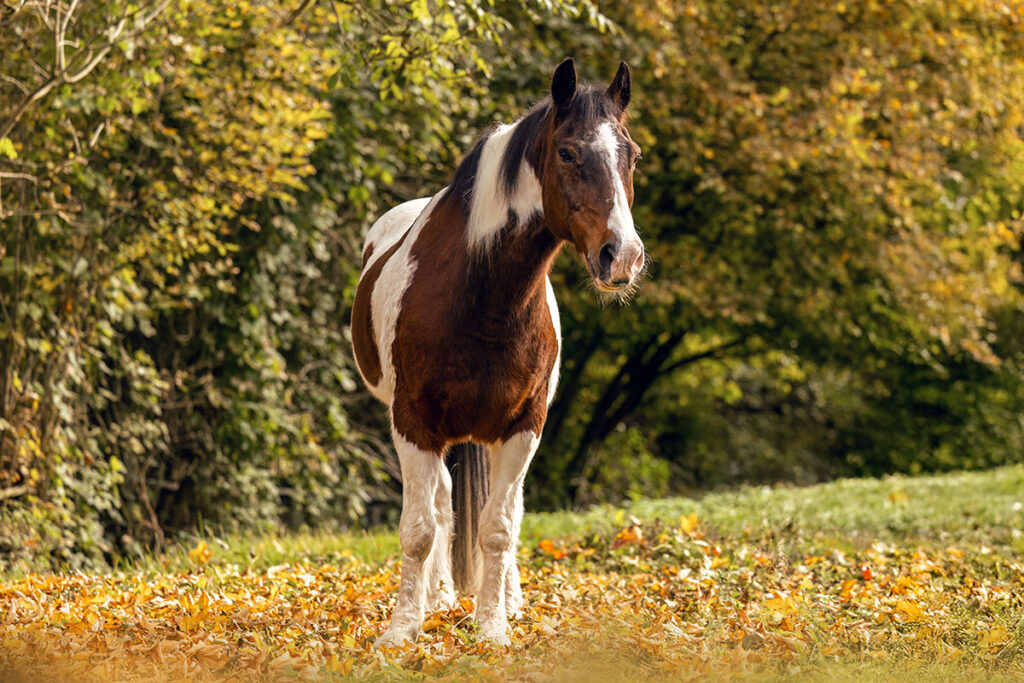
Two experts answer questions about keeping horses sound through their senior years during this episode. Sponsored by American Regent Animal Health.
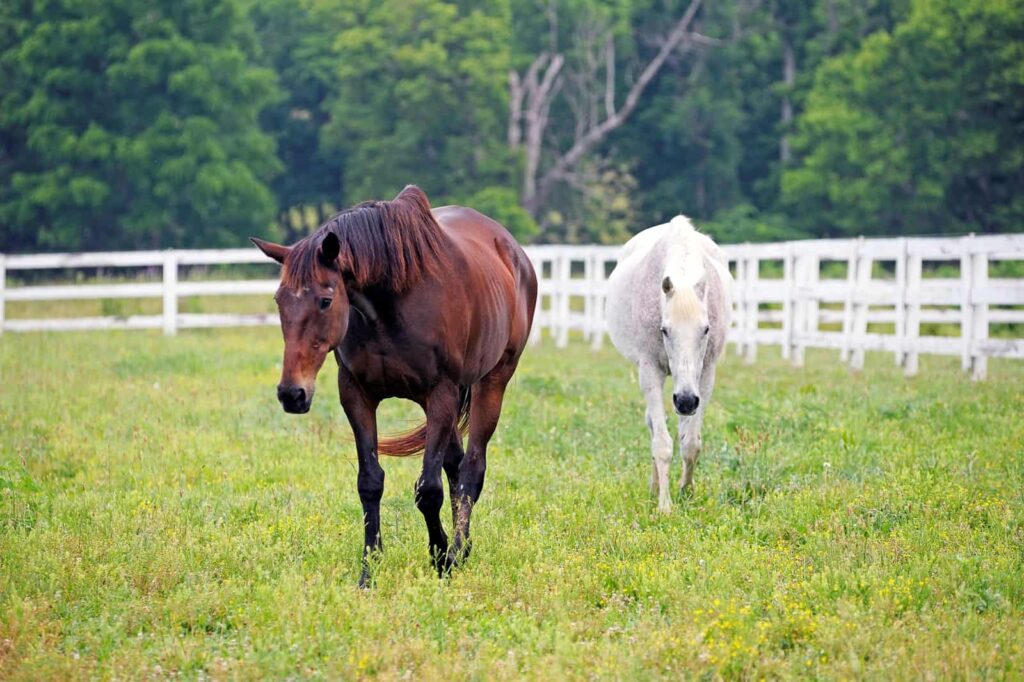
Simple management changes can help keep senior horses with osteoarthritis comfortable and active.

Do you suspect your horse is lame? Here we’ll show you how to fine-tune your riding senses to recognize lameness when you’re on your horse.

Conformation, saddle fit, rider body weight, and training practices can all influence function—and dysfunction—in your horse’s topline.

Discover what scientists are learning about this dynamic area of research and how we can use it to promote equine health.

Proteins and the amino acids that form them play important roles in the horse’s body, from muscle building and function to neurotransmission and hormone synthesis.

The debate over training methods and their impact on horses remains heated. Our sources clarify 4 training misconceptions.

An owner’s doctor is reluctant to give her joint injections too often, but her horse gets them every six months. Is that cause for concern?
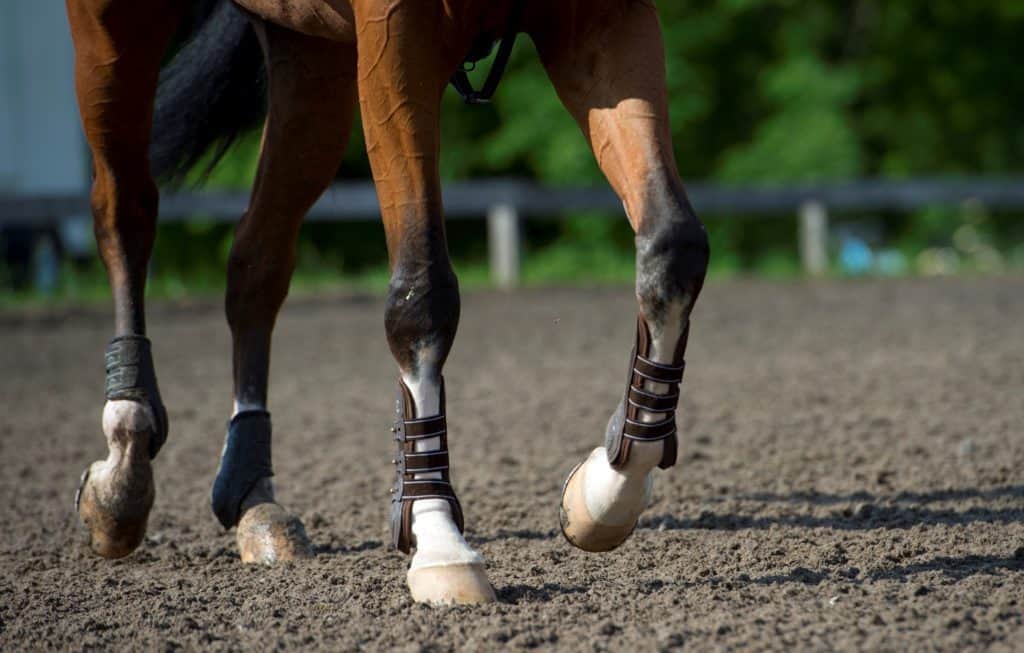
A fresh look at where, how, and why injuries happen in today’s various equine sports. Read more in the 2025 Research Roundup issue of The Horse.
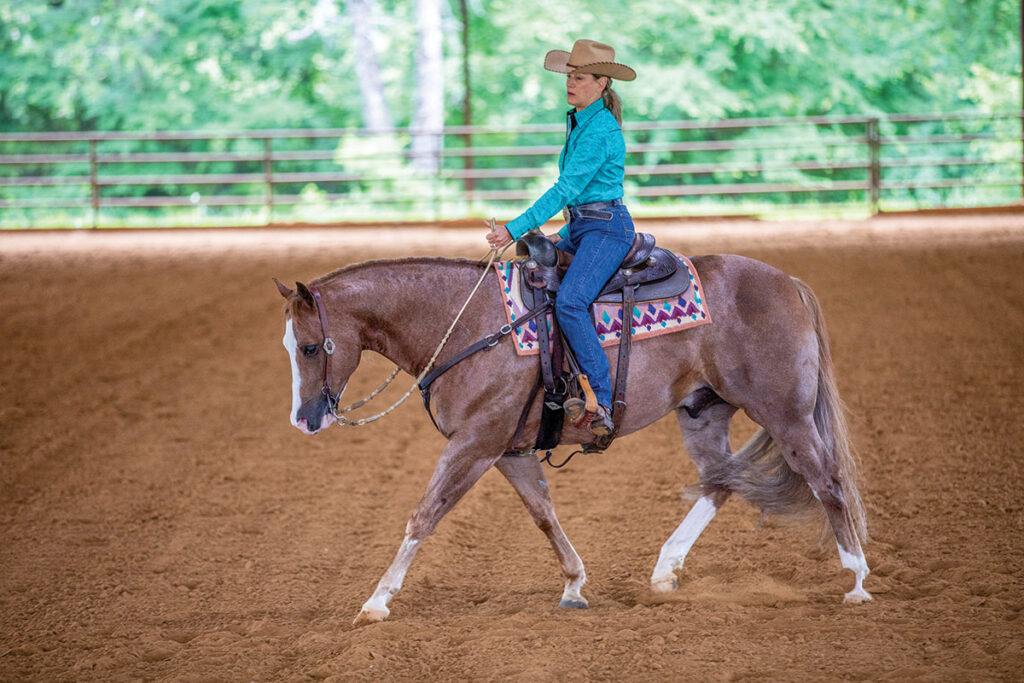
New studies highlight emerging stem cells, anti-inflammatory biologics, and joint biomaterials that may help horses with osteoarthritis stay sound longer.