Study Shows Racehorse Performance Not Affected by Hendra Vaccine
Researchers evaluated 1,154 Thoroughbreds’ Timeform ratings and performance before and after vaccination and detected no difference in form.

Researchers evaluated 1,154 Thoroughbreds’ Timeform ratings and performance before and after vaccination and detected no difference in form.

Three-day event horses have unique nutritional needs. Four-star eventer Buck Davidson describes what goes into feeding these high-performance horses.
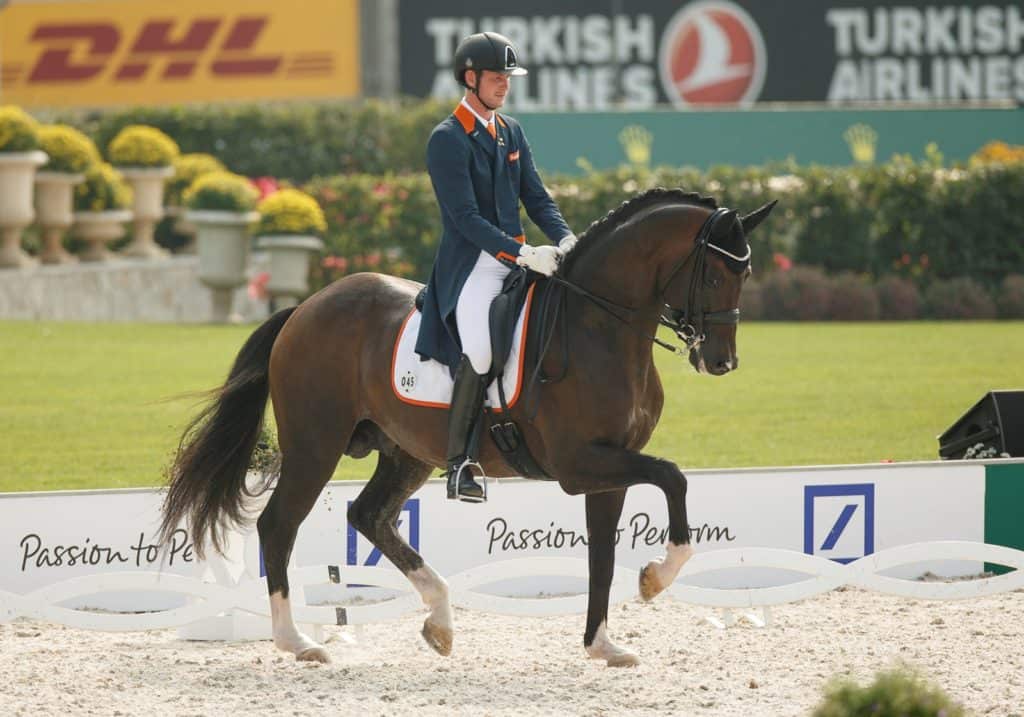
This research could help riders select dressage mounts to ensure their ability to perform the required movements while maintaining soundness.
Our nutritionist explains how horses break down dietary fat despite not having a gallbladder for bile storage.

A 15-minute tourniquet application was sufficient to achieve peak synovial amicacin concentrations in the coffin joint.
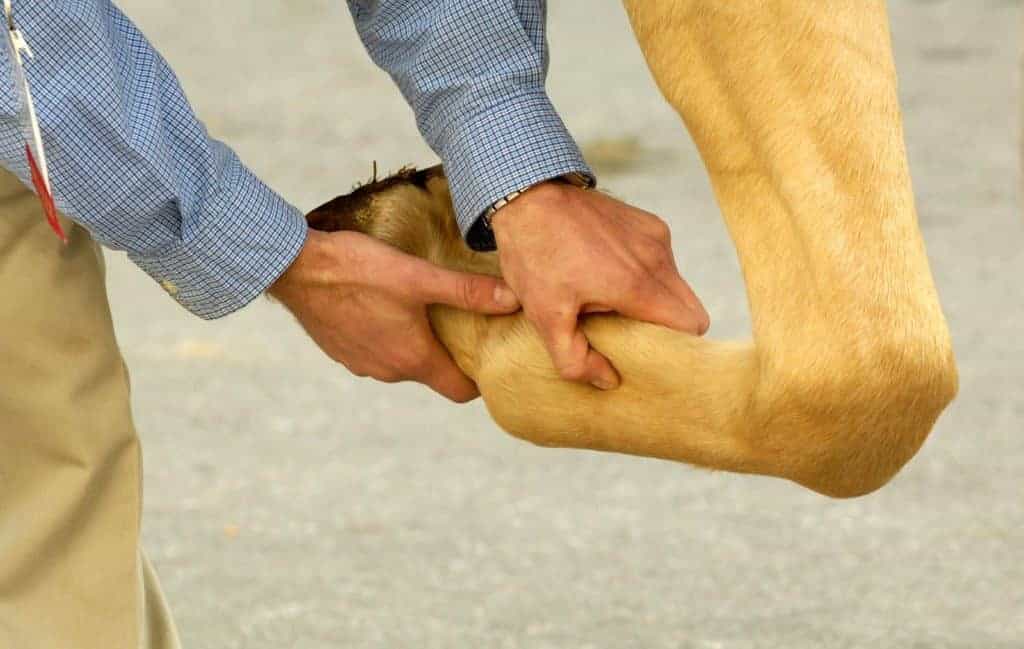
Dr. Janik Gasiorowski explains what types of injuries can have an impact on a retired racehorse’s career.

Dehydration, fitness, and breeding can lead to specific challenges when treating colicky horses during endurance rides.
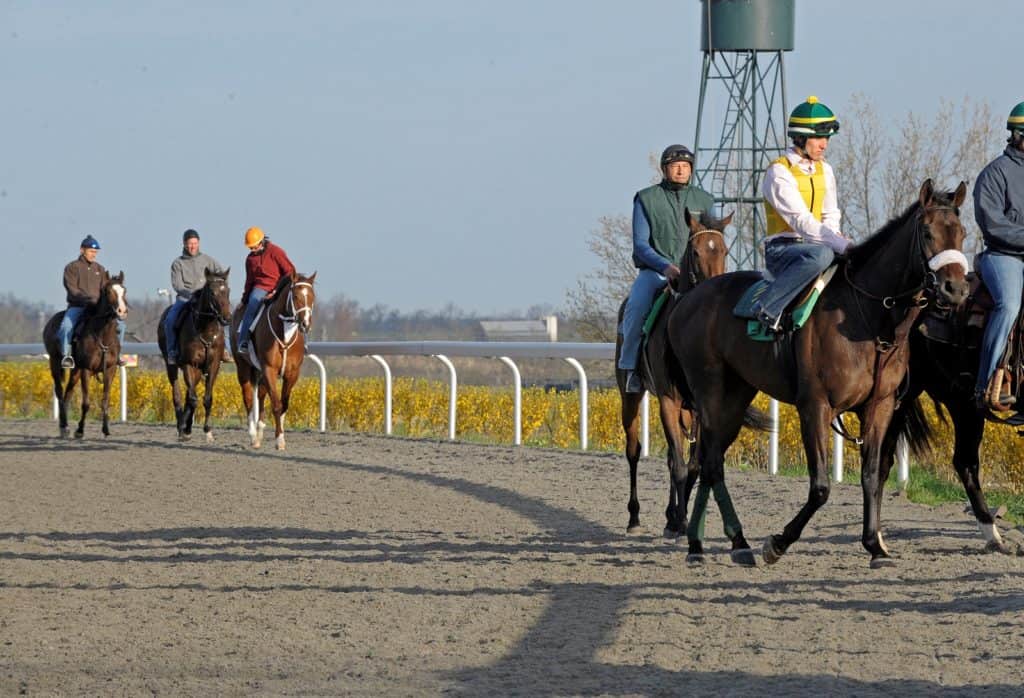
In this first part in a series on testing and maintaining equine competition surface, we focus on racetracks.

Both endoscopic techniques provide invaluable information and, in most cases, should be used together, one practitioner says.

The British Horseracing Authority will conduct a full review of the sport’s equine anti-doping rules, it announced this week.

Vets discussed kissing spines, memory foam, English and Western saddle fit, rider weight, rein lameness, and more.

The summit will be held June 27, 2018, at the Keeneland sales pavilion, in Lexington, Kentucky.

Foals with a selenium deficiency are at risk of developing white muscle disease, which leads to skeletal and cardiac muscle abnormalities.
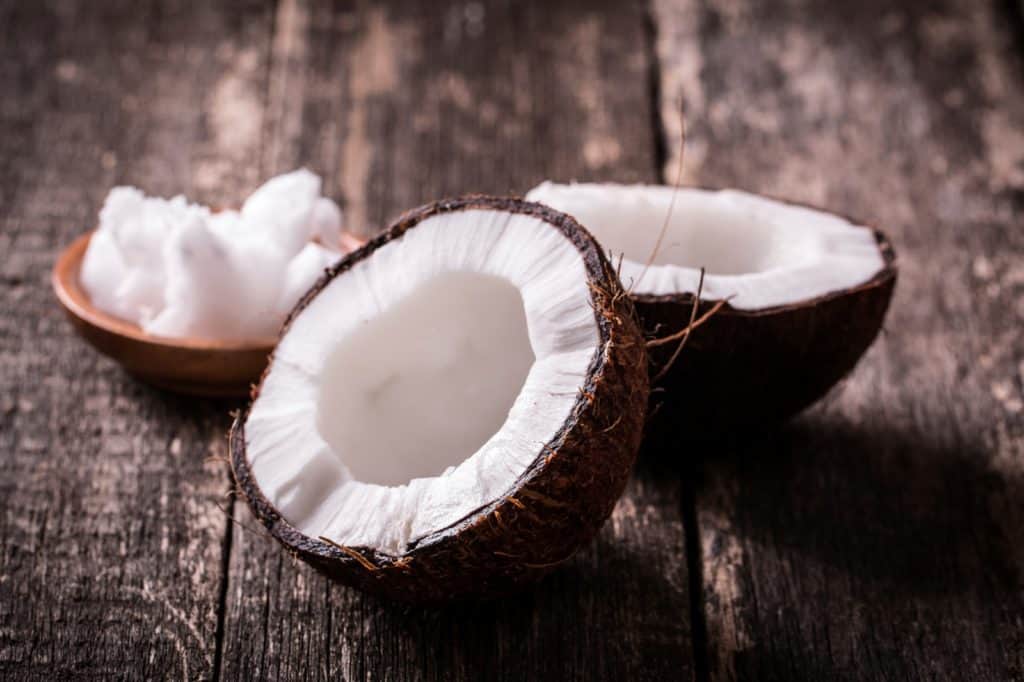
Is rice bran or coconut (copra) meal a better option to help a horse gain weight? Our nutritionist shares her thoughts.

Fatal injuries in North American flat racing horses has decreased by 23%, but there’s still work to be done.

Vets can use a smartphone-based heart monitor to identify arrhythmias that are difficult to diagnose in the field.