Thoroughbred Racehorse Fatal Injury Rate Increased Slightly in 2017
Equine Injury Database statistics revealed a modest increase in 2017 (1.61 per 1,000 starts) compared to 2016 (1.54 per 1,000 starts).

Equine Injury Database statistics revealed a modest increase in 2017 (1.61 per 1,000 starts) compared to 2016 (1.54 per 1,000 starts).

Do horses with PPID, EMS, and/or IR have a greater laminitis risk after receiving joint injections? Drs. Vern Dryden and Amanda Adams respond.

Recent study results suggest competitive riders would be much more inclined to use technology to keep track of their mounts’ biometric data than recreational riders would.

Learn more about equine sleep patterns and six different types of sleep deprivation in horses.

How can an owner help a ribby but successful racehorse gain weight, and what might be behind the filly’s body condition? Our source shares some thoughts.

The more data vets have on the injuries Western horses experience, the more they can do to try to rehabilitate or prevent them, one practitioner says.
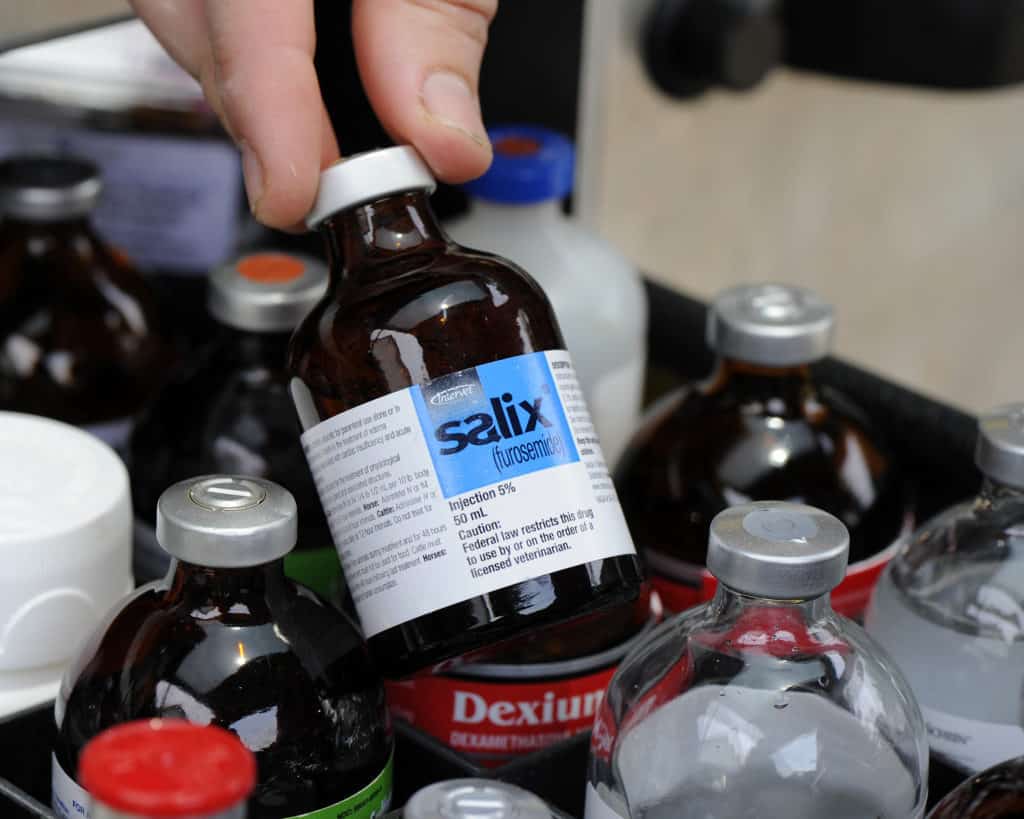
When horses received furosemide four hours before exercise, 93% had a zero EIPH score one hour post-exercise versus 60% when it was given 24 hours before exercise.

Learn more about nutrition’s role in the development and management of equine endocrine disorders and how you can reduce your horse’s risk of developing a secondary disease.

Find out how an owner’s careful management after an injury occurred likely prevented a fatal outcome for a Quarter Horse gelding.

With this release, there are no barns under restriction or quarantine at Turfway Park Race Course.

The prognosis for performance soundness in nonracing horses diagnosed with sagittal groove injury and concurrent osteoarthritis is poor, researchers found.

Researchers are examining the rate of injury and illness in North American 2-year-old Thoroughbreds in training.
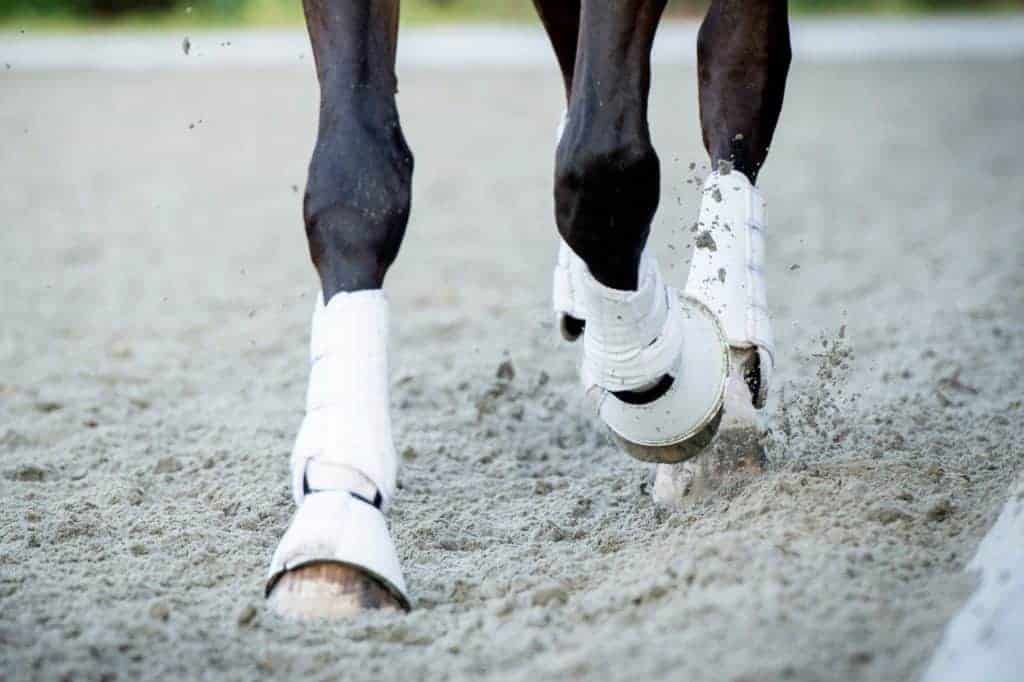
This is the second article in a series looking at how researchers test and maintain equine competition surfaces worldwide.
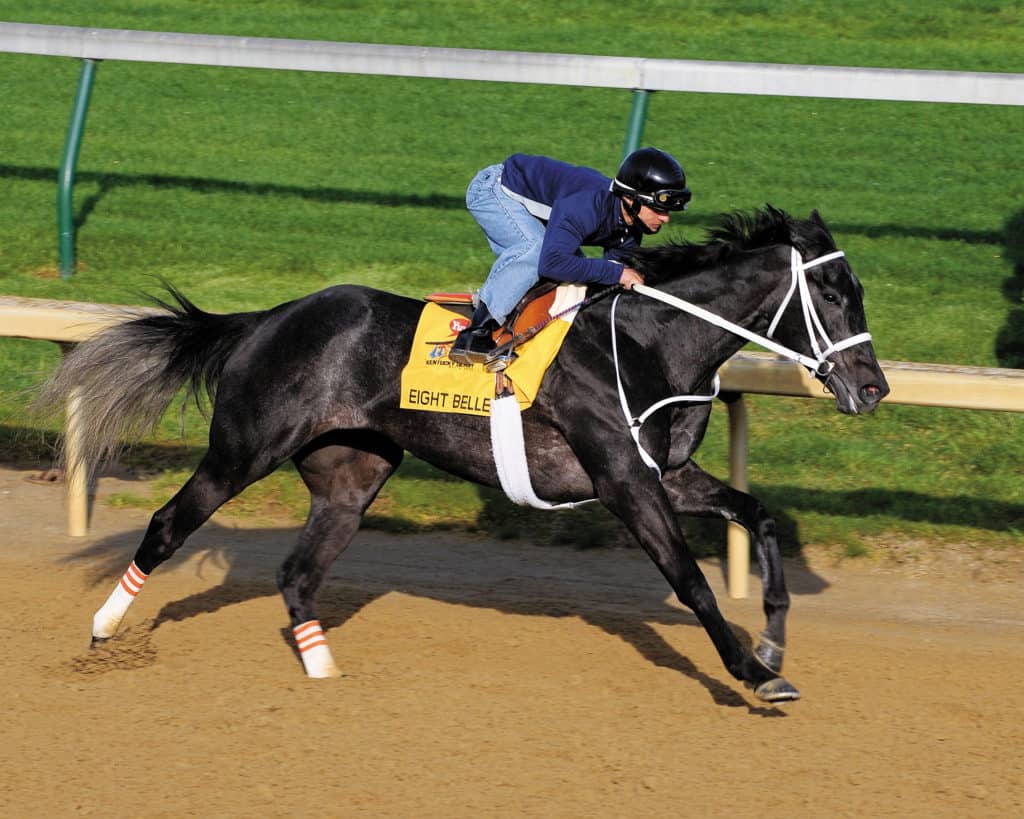
Researchers hope that, one day, they’ll be able to identify at-risk horses and intervene before a catastrophic breakdown occurs.

Fleming is studying carrier proteins in circulation in horses’ bodies that have the potential to be used as biomarkers.

Seasoned sport horses often need a little extra TLC to continue performing well into middle age.