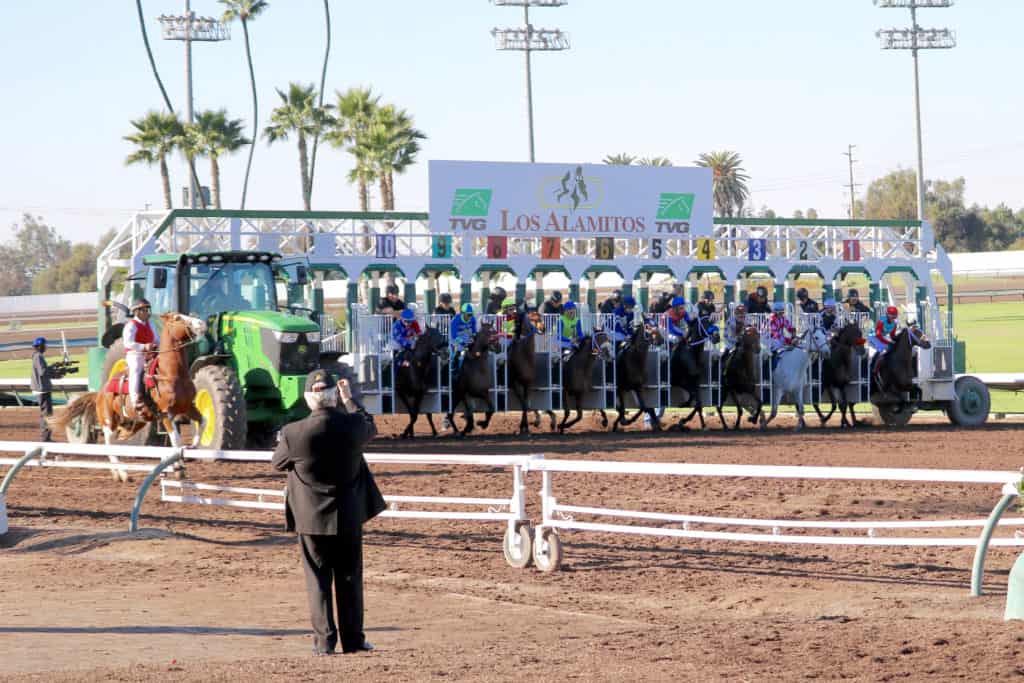
EHM Confirmed at Los Alamitos Race Course
A 10-year-old pony horse at the Cypress, California, track was euthanized after displaying severe neurologic signs of disease.

A 10-year-old pony horse at the Cypress, California, track was euthanized after displaying severe neurologic signs of disease.

A look at racing ethics could help researchers and industry members acknowledge rightful concerns from a well-meaning public, help resolve misconceptions, and contribute to better equine welfare.
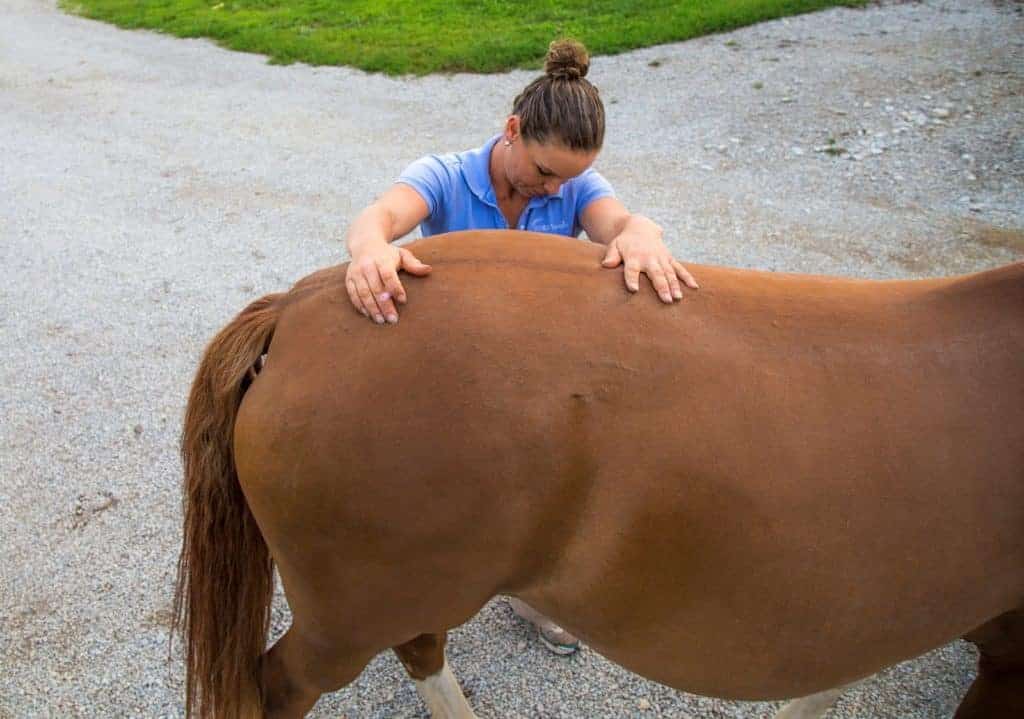
Instead of causing foot pain directly, rear hoof imbalances seem to cause more problems higher up the leg—to the hocks, stifles, glutes, and sacroiliac joint, one vet says.

The Florida laboratory is poised to become the 10th racing testing laboratory to receive full RMTC accreditation.

The affected horse, a 4-year-old filly, developed a fever on Feb. 12 and subsequently began exhibiting neurologic signs of disease.

Jose S. Nunez, Ricardo Murillo, and Mario Serey Jr. were denied privileges for 10, five, and two years, respectively.
Meanwhile, no new fevers or EHV cases have been detected in the quarantined barn at Turfway Park, in Northern Kentucky.

The British Horseracing Authority (BHA) hopes to gain a better understanding of Thoroughbred aftercare in that country.

Presenters will speak on pre-race examinations, on-track protocols, test barn best practices, technology resources, biosecurity, and more.

The collection includes research on controlling equine influenza, immunology in young horses, herd immunity, and more.

Researchers evaluated 1,154 Thoroughbreds’ Timeform ratings and performance before and after vaccination and detected no difference in form.

Three-day event horses have unique nutritional needs. Four-star eventer Buck Davidson describes what goes into feeding these high-performance horses.
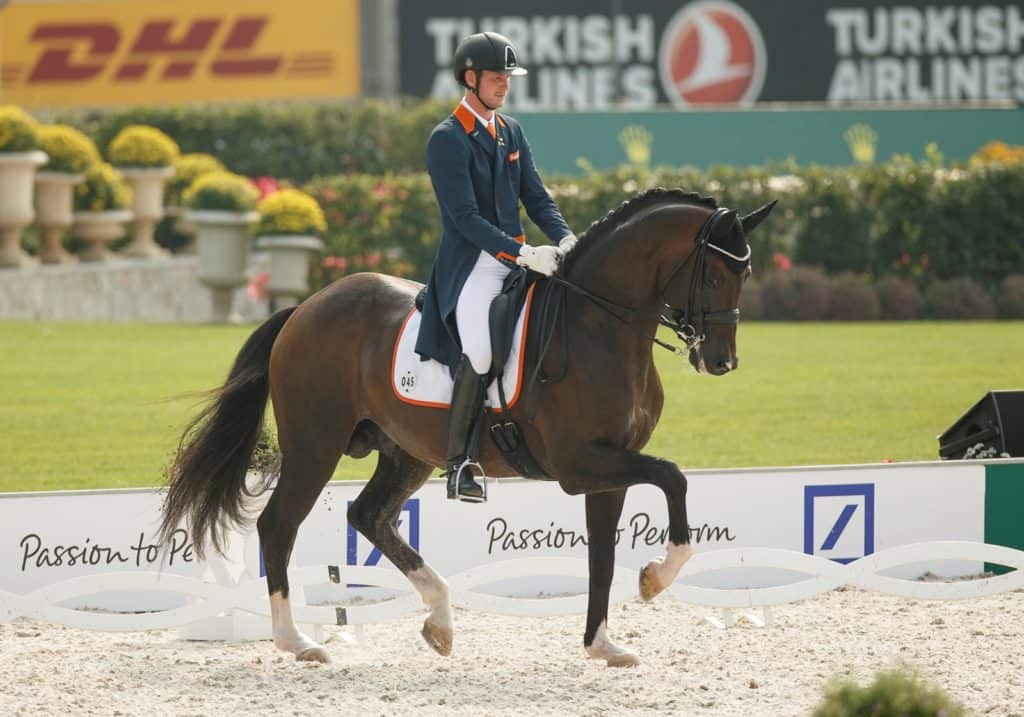
This research could help riders select dressage mounts to ensure their ability to perform the required movements while maintaining soundness.
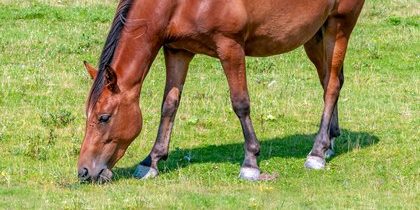
Our nutritionist explains how horses break down dietary fat despite not having a gallbladder for bile storage.

A 15-minute tourniquet application was sufficient to achieve peak synovial amicacin concentrations in the coffin joint.
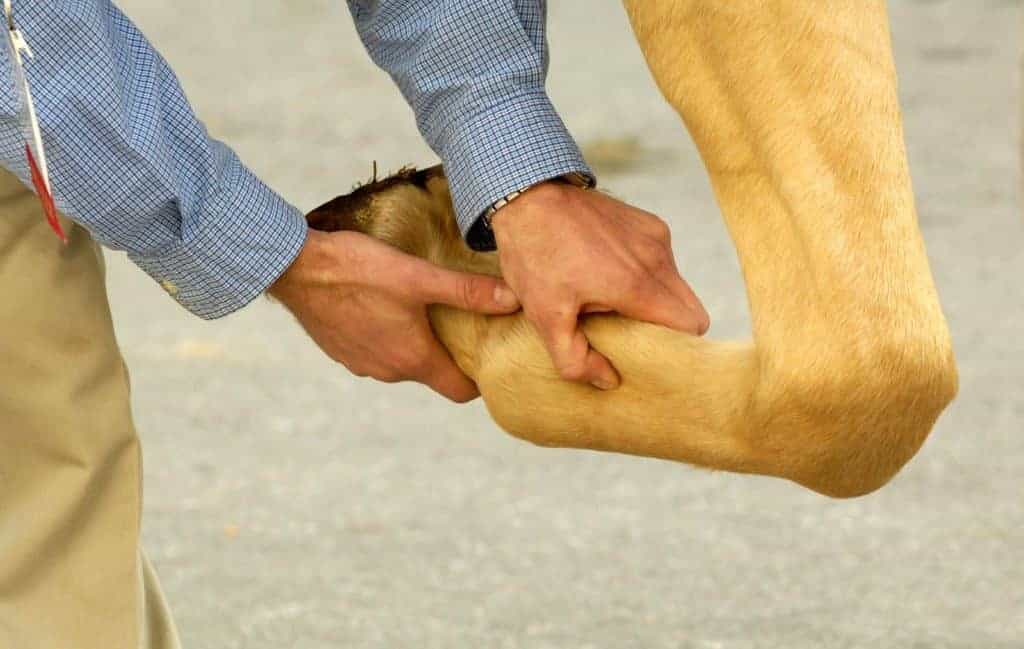
Dr. Janik Gasiorowski explains what types of injuries can have an impact on a retired racehorse’s career.