BHA Reviewing Racehorse Welfare at Cheltenham
The BHA will investigate recent equine fatalities and long-term injuries at the Cheltenham Festival before publishing recommendations to improve racehorse welfare.

The BHA will investigate recent equine fatalities and long-term injuries at the Cheltenham Festival before publishing recommendations to improve racehorse welfare.

Researchers found that many horses not diagnosed with neck pain had bony changes in the cervical spine.

Understanding how pulmonary disease impacts performance can help veterinarians diagnose and treat issues that could be impairing horses’ athleticism.

Our equine nutritionist explains the differences between horse life-stage and feed types.

Drs. Peter Morresey and James McLeod share regenerative medicine insights from clinical and research perspectives.

Researchers are working to find other potential race-day therapies that can be used to manage EIPH if proposed legislation banning race-day furosemide use in the U.S. is passed.
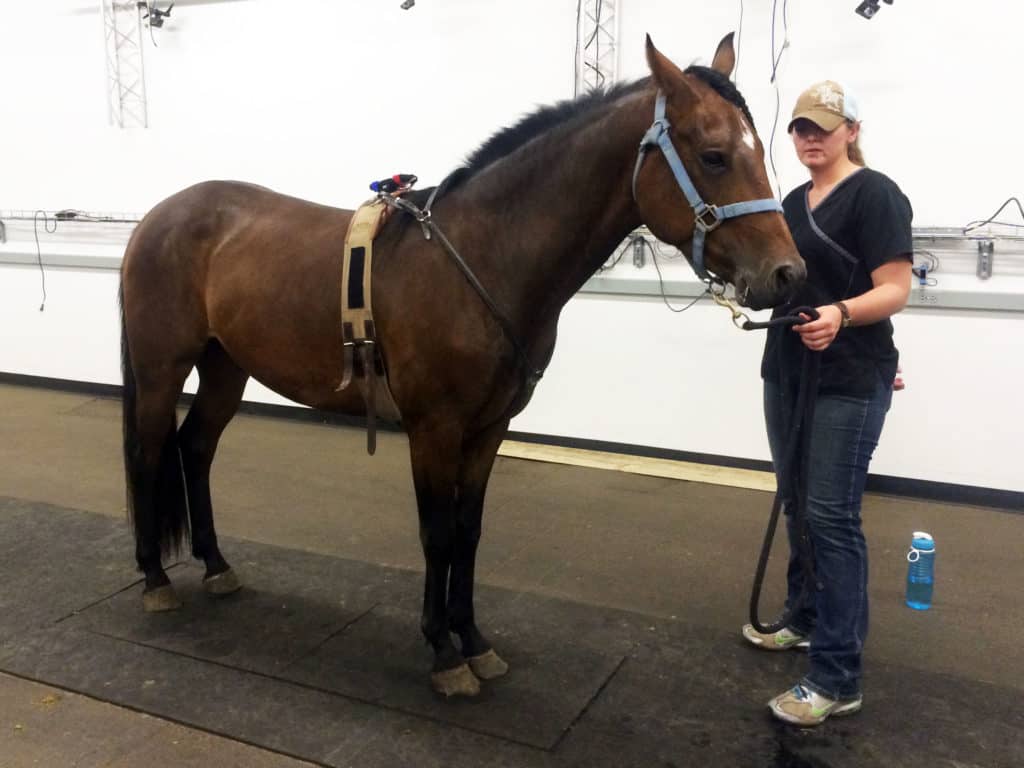
Lameness and neurologic disorders can impact equine postural stability—how a horse holds himself up in a standing position—and measuring it can help veterinarians diagnose certain disorders.
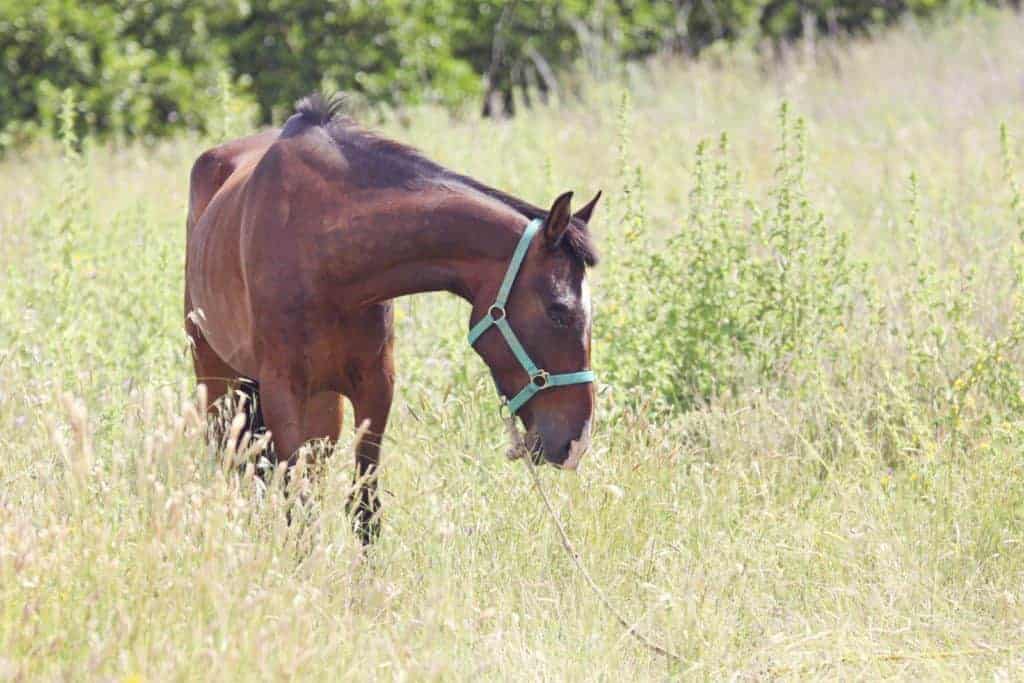
Horses with myositis experience rapid, widespread gluteal and epaxial muscle atrophy. Here’s what veterinarians know about about this immune-mediated condition.

Also, the FEI Tribunal issued its final decision in a case against an Italian jumper whose horse tested positive for stanozolol and ketoprofen.

Consider your horse’s diet when helping him make a smooth transition from winter to spring.

Make sure your horse’s diet supports his regular exercise program with these tips.

Recent study results suggest heart rate monitoring can allow trainers to assess workloads and adjust training for improved conditioning and race outcomes.

Applying shock wave therapy immediately following PRP injection into injured soft-tissue structures might help increase the concentrations of growth factors released from the platelets, researchers found.
The Court of Arbitration for Sport ruled in favor of the FEI’s policy of two-month equine provisional suspensions in banned substance cases.

When cases are selected appropriately, the complication rate is very low and the prognosis for a full return to work is very good, one veterinarian says.

A ration balancer might offer the best balance of nutrients and protein for your horse during stall rest.