Commentary: To Medicate or Not to Medicate Thoroughbred Racehorses?
It’s the question that always ignites a fierce debate in the racing world: Should people be able to race Thoroughbreds under the influence of therapeutic medication?

It’s the question that always ignites a fierce debate in the racing world: Should people be able to race Thoroughbreds under the influence of therapeutic medication?

Practitioners must use clinical signs and laboratory testing to distinguish between these sometimes similar ailments.

These findings could eventually help veterinarians tailor medical care, feeding, and training to individual horses.

Trainers should be aware that joint injections can have many benefits, but veterinarians need to be careful about selecting cases to receive this treatment, one researcher said.

Find out how some simple diet changes might help calm your hyperactive horse.

Once the biomarkers identified in this study are confirmed through more tests and larger samples, scientists might be able to develop treatments to prevent chronic pain, researchers said.

Horseback riding requires healthy backs–not just for horses but also humans. In fact, human back health can have direct implications on equine back health, as well as the horse’s welfare and performance.
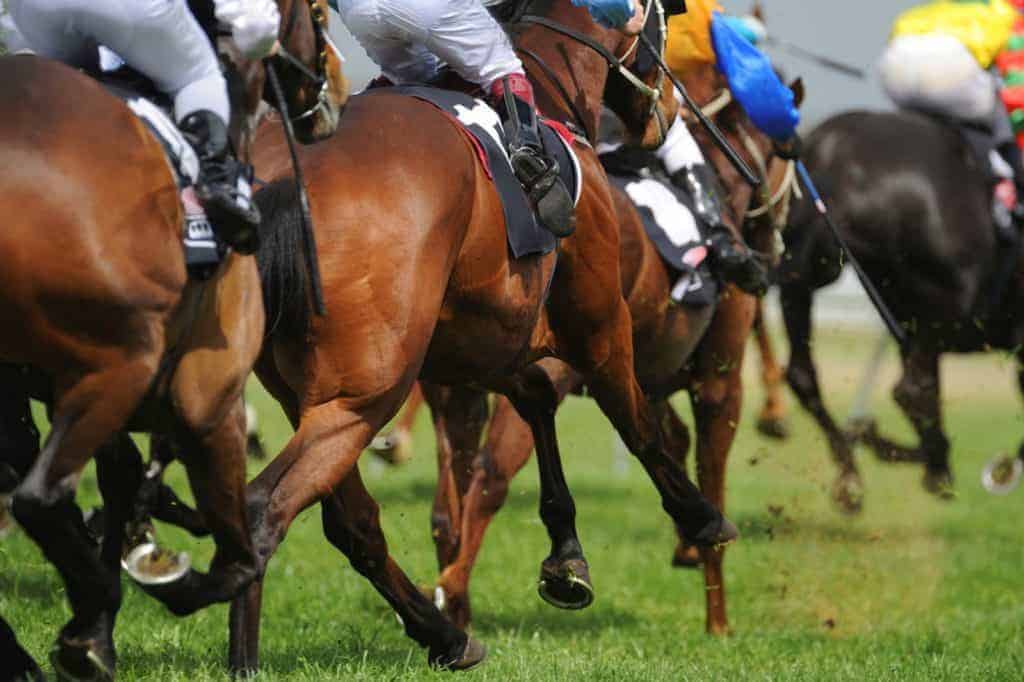
Collaborative efforts among horse health researchers, the racing industry, and governments could lead to effective measures that will improve safety for both horses and jockeys, one equitation scientist says.

Salivary cortisol (“stress hormone”) concentrations weren’t associated with scores in dressage and show jumping horses during three national events in Denmark, researchers found.

Boots and wraps protect the horse’s limbs. But have you ever asked yourself why or how these dressings protect a horse’s leg–or if they even do?

U.S. Olympic show jumper Kent Farrington discusses horsemanship, training, recognizing each horse’s individuality, his “ponies,” and more.

Drs. Erin Denney-Jones and Ann Rashmir-Raven offer advice for prolonging a Cushing’s horse’s career.

Recent study results suggest that horses’ nods allow them to use energy more efficiently to carry their heavy heads.

Researchers determined that, in one study, Western curb bits caused less rein tension than did English snaffles.

Beginning June 15, all medroxyprogesterone acetate (MPA, or Depo-Provera) disclosure forms must be submitted electronically.

From reducing PPID-associated muscle wasting to managing IR and obesity, here’s what to consider for your old horse.