Transitioning Thoroughbreds From Racing to New Careers
Learn about keeping OTTBs healthy and happy as they move into new disciplines. We’ll cover feeding, vet care, handling, and more!

Learn about keeping OTTBs healthy and happy as they move into new disciplines. We’ll cover feeding, vet care, handling, and more!

Find out why a horse might gain weight when switched to a feed marketed as “low-starch.”

How can you make sure your horse is getting the nutrition he needs during the cold months? Ask our equine nutritionist!

A nutritionist can tell you if you’re over- or underfeeding or supplementing and address other equine diet concerns.

Researchers are discovering how the vast and varied microbes in the horse’s gastrointestinal tract impact equine health.

The key is to ensure the hay, haylage, or grass has enough high-energy nutrient value to cover the horse’s needs.

Join us live from the United States Pony Club 2017 Festival and learn how to take care of your experienced Pony Club mount!

Our nutrition expert, who’s also a USPC regional supervisor, shares the basic nutrition rules every Pony Clubber learns.
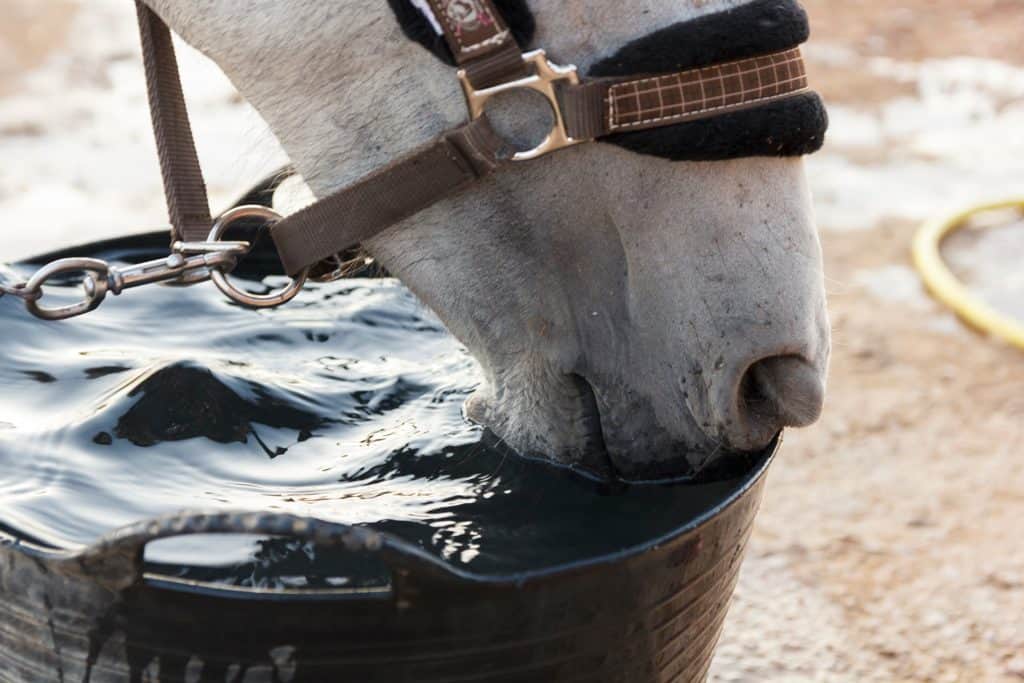
Find out why some horses won’t consume water away from home and learn how to keep him hydrated.
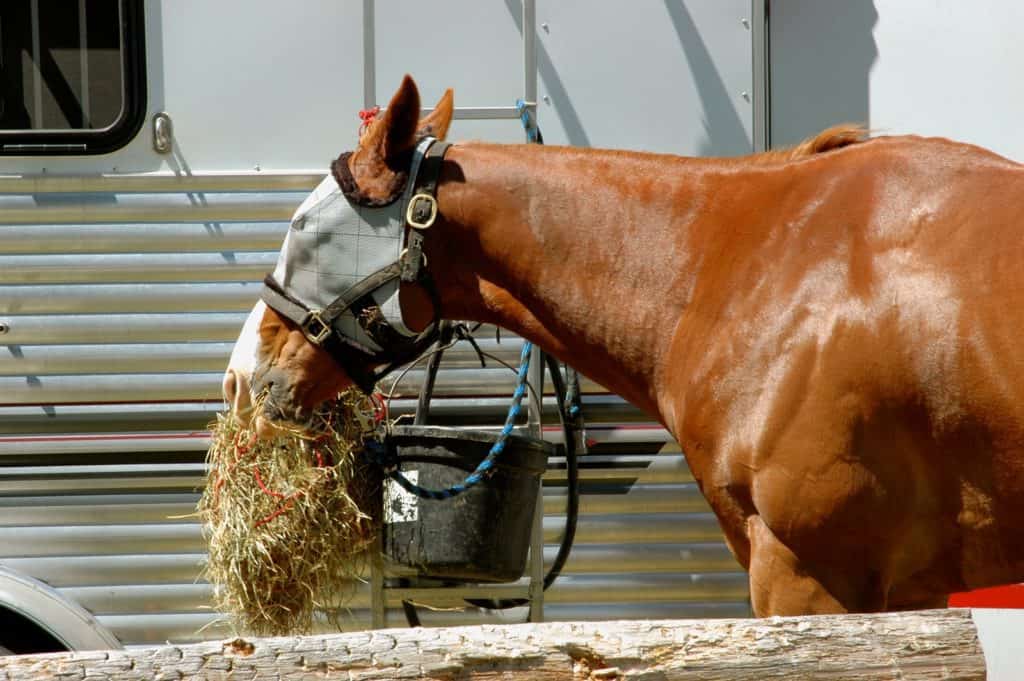
Travel stress can lead to gastric ulcers and colic. Use these strategies to help keep your horse healthy away from home.
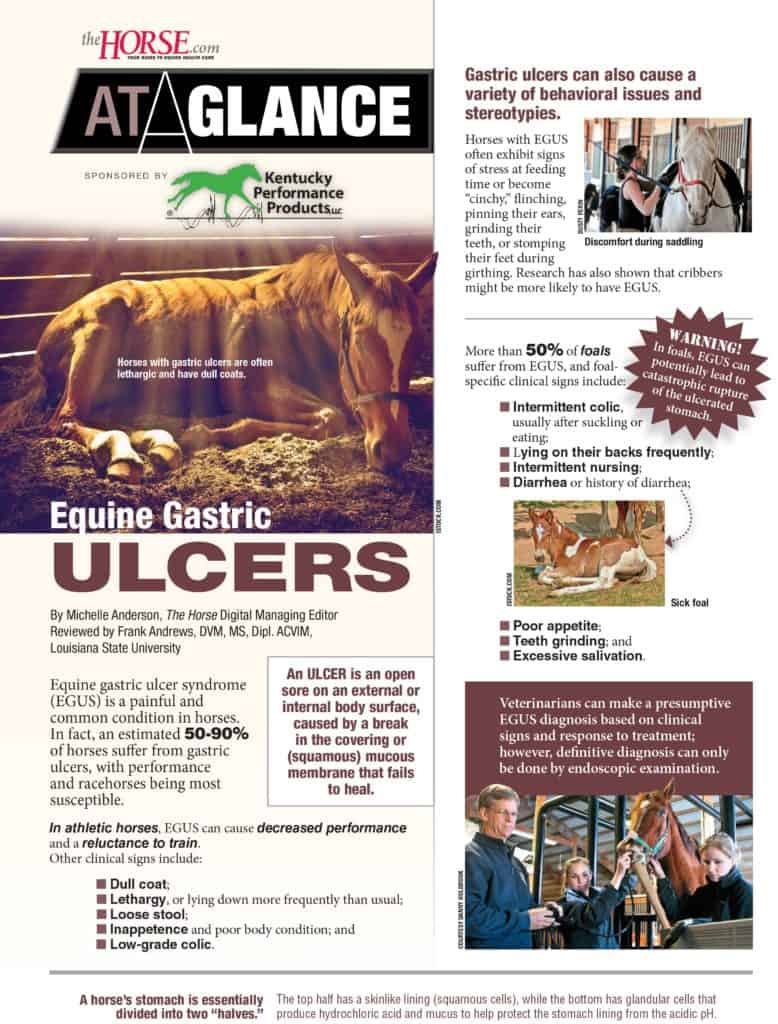
Equine gastric ulcer syndrome (EGUS) is a painful and common condition in horses. Download this free guide to learn more!

Our sources share nine ways to help your sport horse perform at his best.

Horses are more prone to digestive upset than other domestic animals because of how their GI tract functions.

An equine nutritionist offers tips for reducing your horse’s pasture intake with a grazing muzzle.

Researchers are learning more about how microbes within the gut influence horse health.
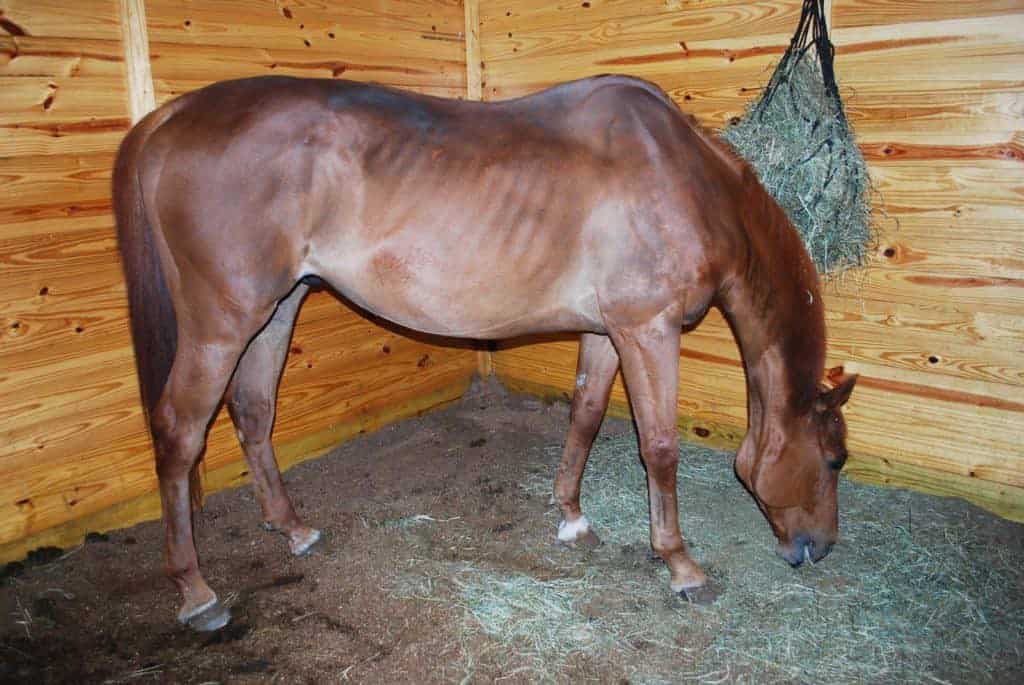
In most cases, energy requirement recommendations are an estimate of what a horse needs.