2018 AAEP Convention: Sunday’s Top Tweets and Take-Homes
Top tweets from the opening session of the 2018 AAEP Convention, including highlights from the keynote address and Kester News Hour.

Top tweets from the opening session of the 2018 AAEP Convention, including highlights from the keynote address and Kester News Hour.

There’s not one particular approach for rehabilitating injured joints. Here are a few of the options vets have to use.
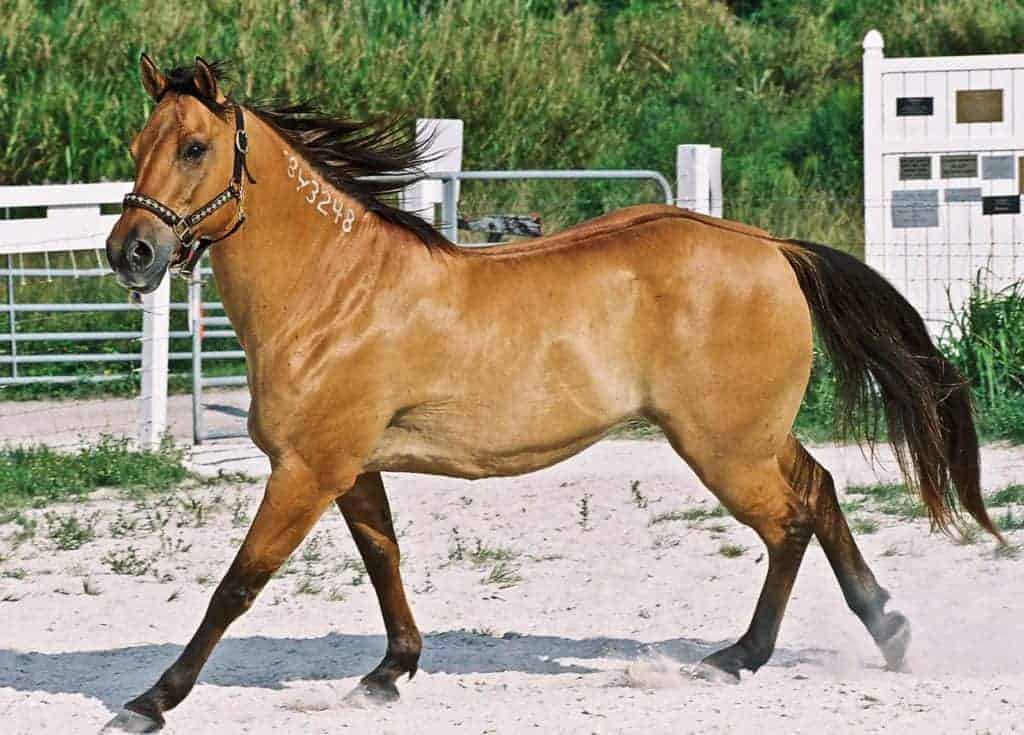
Find out where veterinarians are seeing an uptick in equine infectious anemia cases.
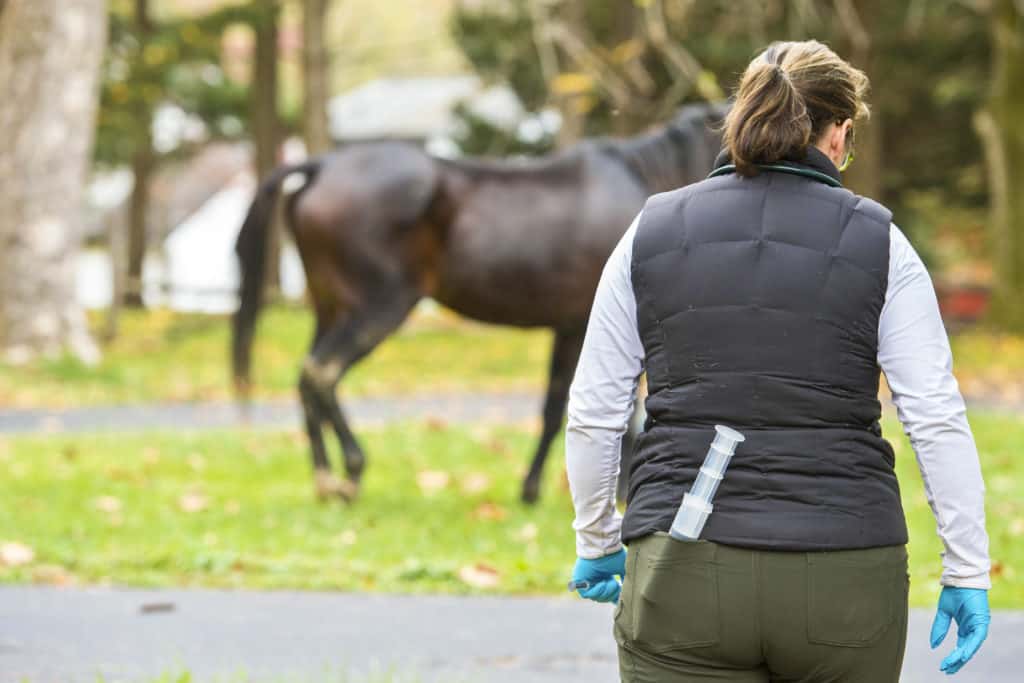
Issues of mental health, well-being, and suicide among vets are important ones that veterinary organizations worldwide have made a priority.

Read some of the top tweets and take-homes on topics such as lameness, equine obesity, laminitis, and more from the 2018 British Equine Veterinary Association Congress.

Taylor Equine Hospital assistant Ali Harman’s dream job involves clinic cases, farm calls, and foal watch.

Work-life balance for the equine veterinarian who’s also a parent requires planning, patience, good boundaries, and in many cases, a flexible employer. To help, four U.K. vets launched an initiative called MumsVet in 2016.
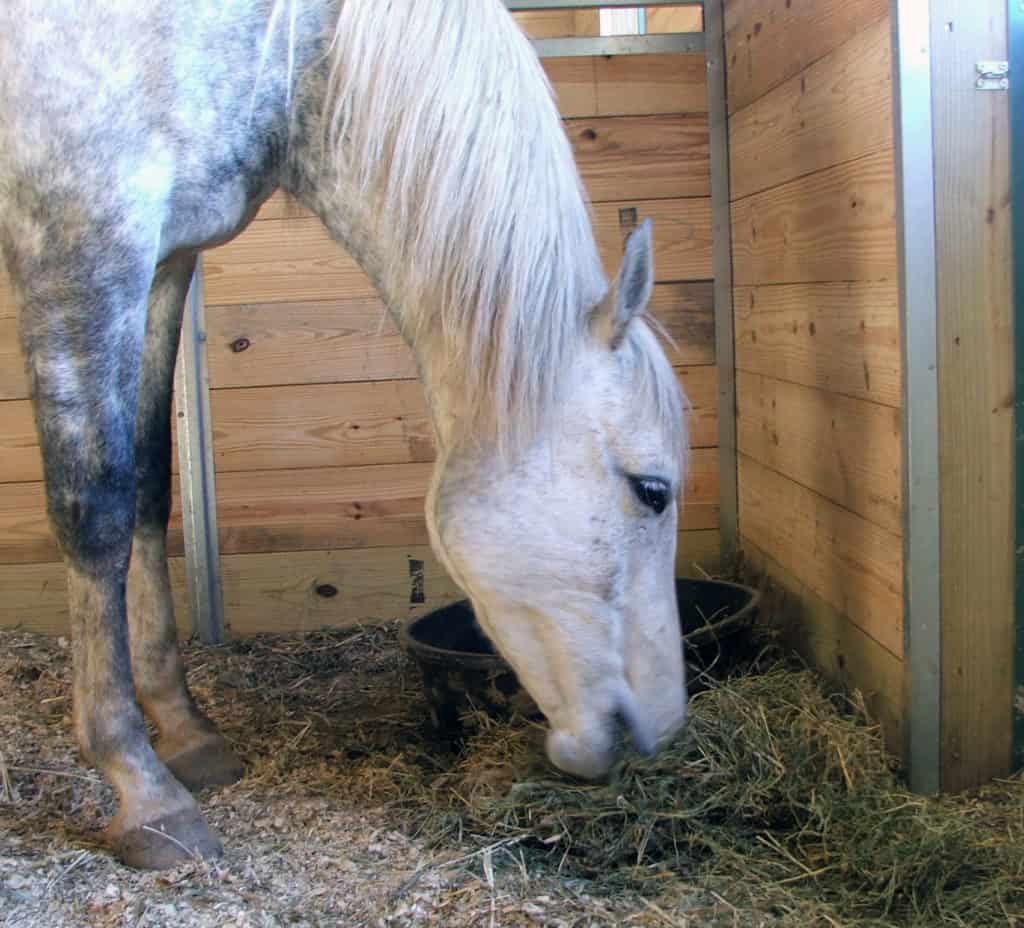
A brief period of fasting prior to omeprazole administration could help maximize drug absorption and, thus, efficacy.

Find out how equine researchers are using the latest gadgets and gizmos to diagnose lameness, collect data, and more.

An automated feeder that provides grain in multiple small meals throughout the day might help reduce the prevalence of gastric ulcers in horses in training.

Horse are especially sensitive to endotoxemia. To address the issue, Dr. Stacy Anderson of Lincoln Memorial University, in Harrogate, Tennessee, presents her research on neutrophil apoptosis (the death of cells that occurs as a normal and controlled part of an organism’s growth or development) in horses.

Practitioners must use clinical signs and laboratory testing to distinguish between these sometimes similar ailments.

Researchers confirmed some suspected patterns in PPID clinical signs and identified others they considered surprising.
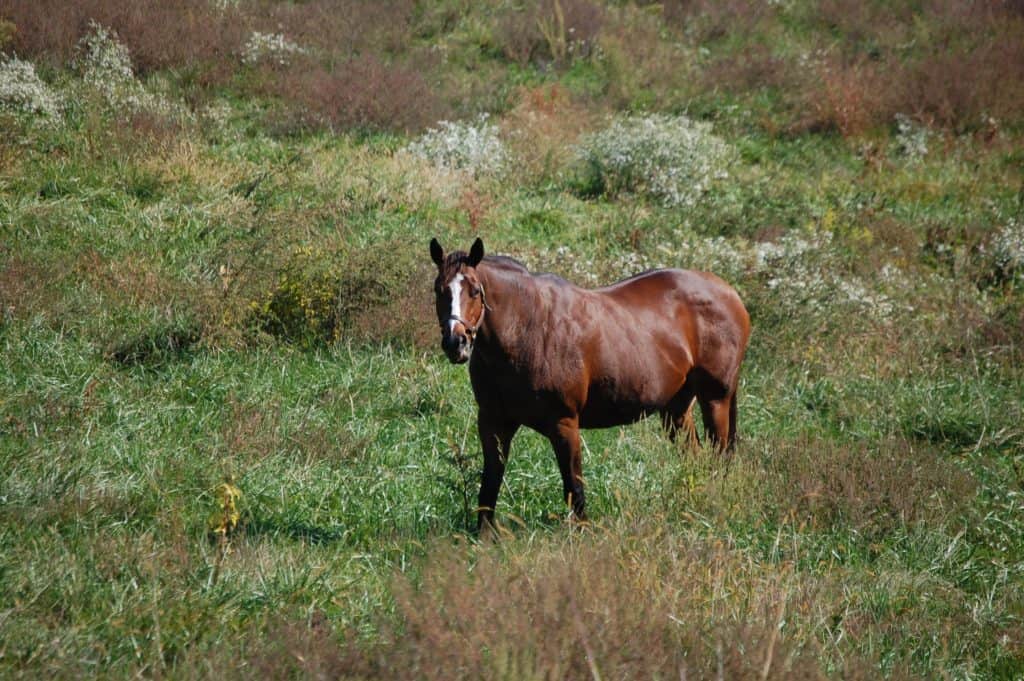
Consider these dietary changes to help reduce the laminitis risk and discuss with your veterinarian whether certain medications could help your horse.

Where do we go from here? Find out from Charlie Scoggins, DVM, MS, Dipl. ACT, who’s a fertility clinician at Rood & Riddle Equine Hospital in Lexington, Kentucky.

Horses consuming crude protein at 12% of total dry matter intake excreted more nitrogen, which led to greater ammonia emissions.