Feeding the EOTRH Horse
Learn how to design a diet for horses suffering or recovering from equine odontoclastic tooth resorption and hypercementosis (EOTRH).

Learn how to design a diet for horses suffering or recovering from equine odontoclastic tooth resorption and hypercementosis (EOTRH).

These difficult-to-diagnose conditions can undermine a horse’s balance and coordination.
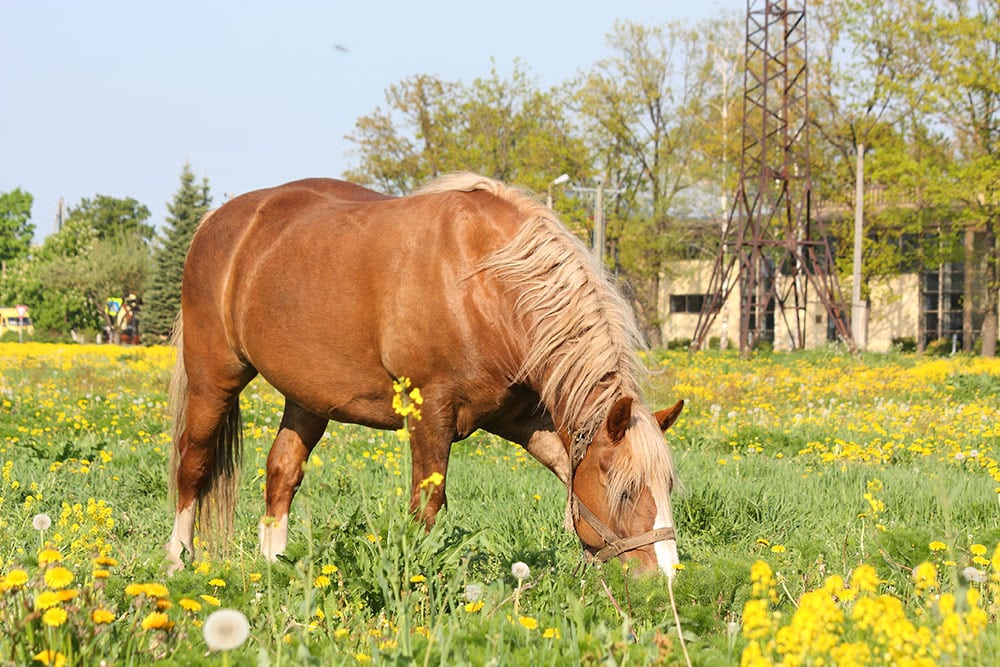
Horses with ID are at greater risk of developing laminitis. Knowing if your horse has a metabolic problem can help you prevent this painful condition.

Learn how smart trimming and shoeing techniques can help arthritic horses.

New study results lead researchers to believe differences in ACTH concentrations between breeds are significant to diagnostic testing for PPID.

Many factors—most importantly, season—can influence which PPID test your veterinarian performs and how he or she interprets it.

Reacting quickly and correctly to an episode of HAL will give your horse a greater chance for future soundness.

The decision about riding horses recovering from EPM and other diseases, one vet says, involves balancing rider safety, liability concerns, and animal welfare.

Merck has added 4 new lots of Banamine/Banamine-S to its previous recall.

This new approach will allow veterinarians to support better wound healing in horses with traumatic wounds.

Researchers have developed a new recommendation for horses being treated with the drug for a period of eight weeks.

Learn why horses with ID might be more likely to develop other conditions such as laminitis and what you and your vet can do to prevent and treat them.

Learn why some horses are more likely to develop EMS and associated laminitis and how to tell if your horse is at risk.
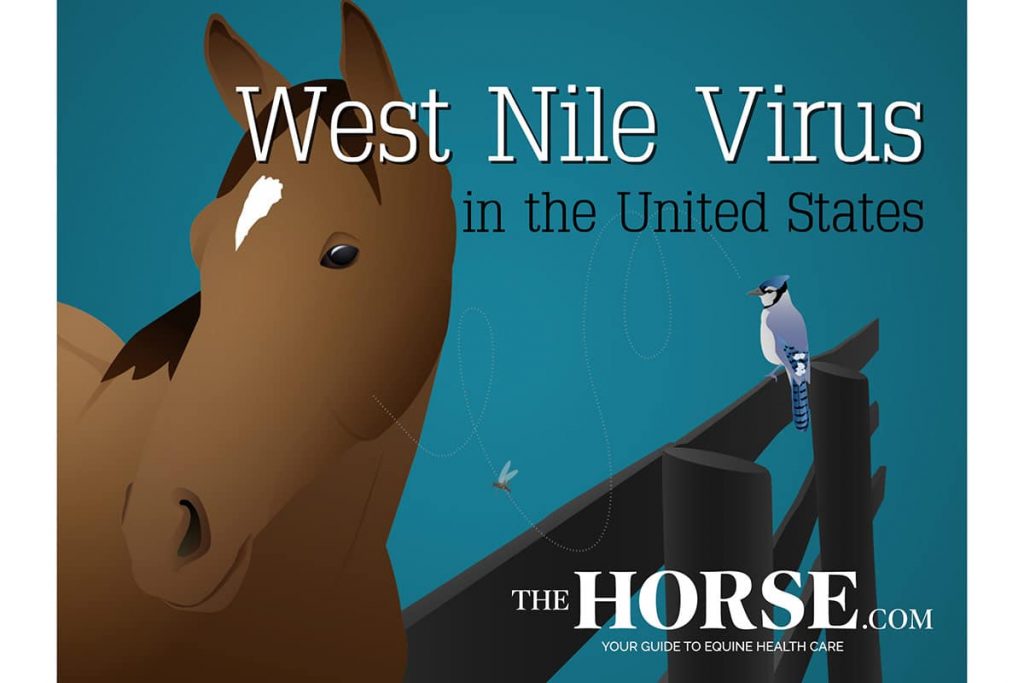
West Nile virus has infected more than 29,000 U.S. horses since 1999. Learn about the disease and how to protect your horses in this updated interactive feature.
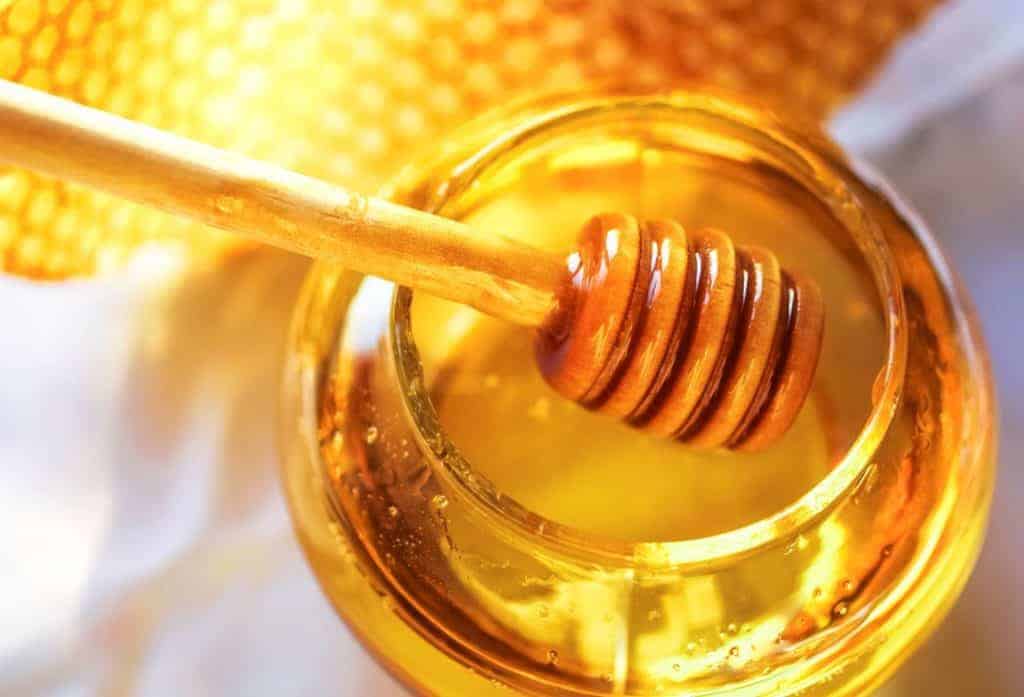
Scientists say medical-grade honey could be a beneficial secondary treatment option in horses after joint surgery for synovial sepsis, though more research is needed.

Modalities ranging from PEMF to vibration plates might help manage equine injury or improve performance.