The Equine Microbiota by Body System
Discover what researchers are learning about the microbiota’s role in the horse’s digestive system, respiratory tract, skin, and more.

Discover what researchers are learning about the microbiota’s role in the horse’s digestive system, respiratory tract, skin, and more.

Equine vets have been leaving the field at staggering rates, and the horse industry is advocating for a more sustainable version of the job.

Three lots of Banamine have been recalled due to the presence of particulate matter.

Learn to navigate the murky waters of diagnostic testing for this zoonotic disease.

Veterinarians should consider ultrasound to diagnose hock sprains in horses and guide the rehabilitation process.

Tendon and ligament injuries are leading causes of poor performance in horses. Learn about different conventional and therapeutic treatment modalities in this visual guide.
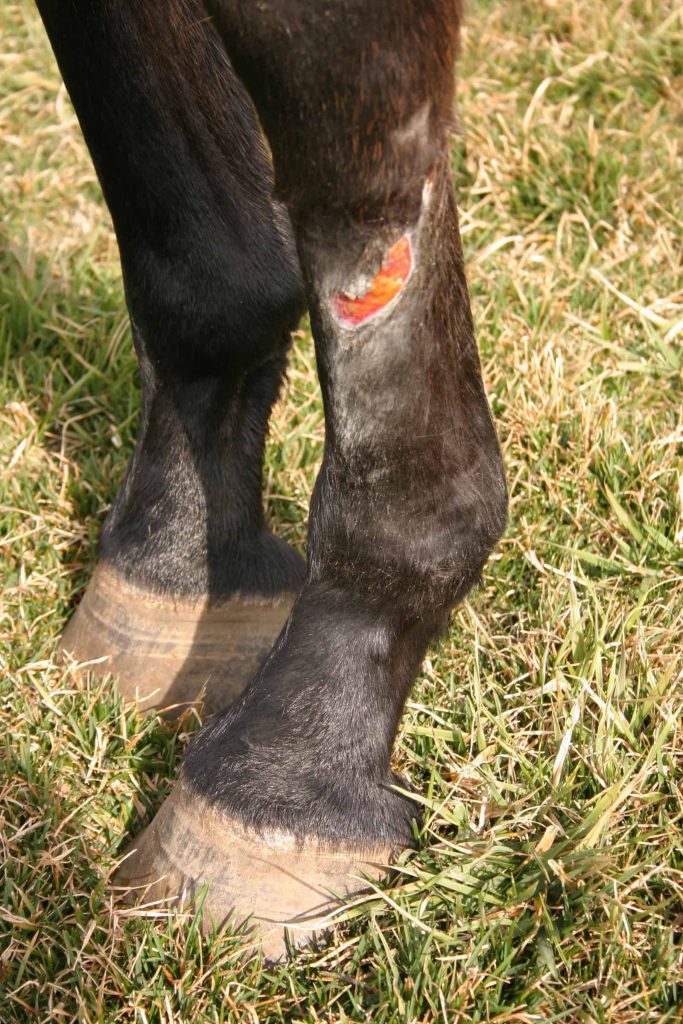
Researchers have determined this wound dressing might help encourage better wound healing and reduce proud flesh formation.

Using orthobiologics to treat tendon and ligament injuries might help lengthen a horse’s career and minimize associated joint issues and chronic pain.

Learn about three regenerative modalities commonly used in equine medicine, when veterinarians and horse owners might consider each, and what’s to come.
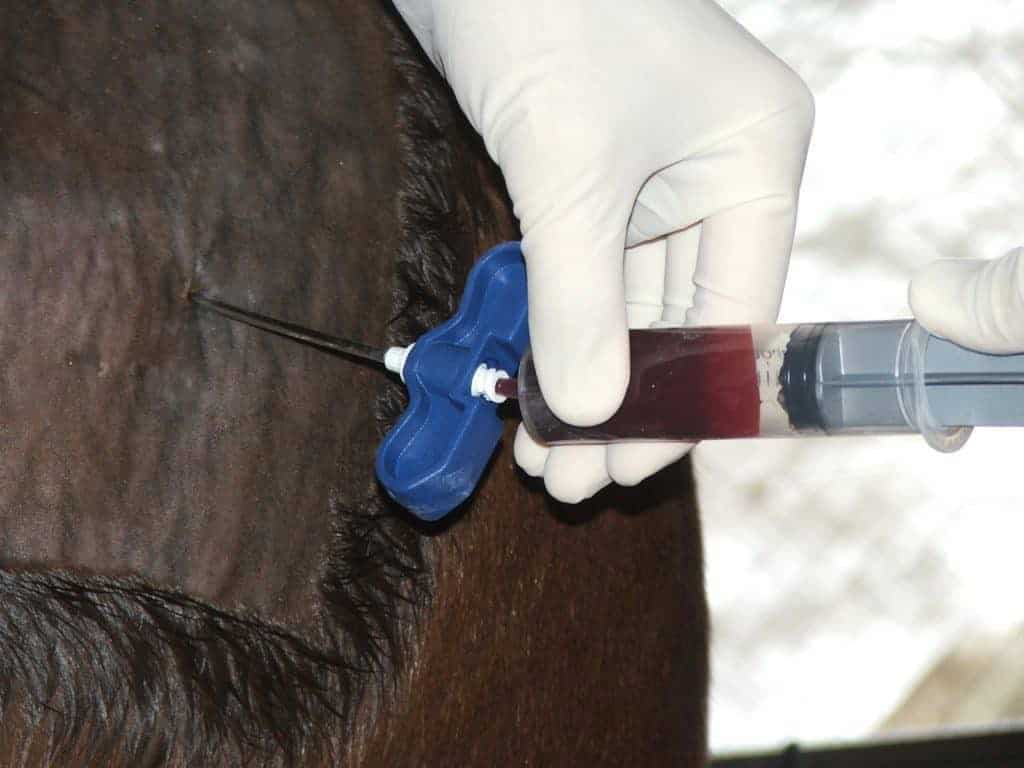
Learn about three regenerative modalities commonly used in equine medicine, when veterinarians and horse owners might consider each, and what’s to come.

Radiographs can advise buyers and their veterinarians about pathologies that might pose a threat to the horse’s future soundness.

The AAEP welcomes a newly appointed vice president from Colorado and treasurer from Virginia.

New imaging techniques might make examining abnormalities of the fetlock easier for equine veterinarians.
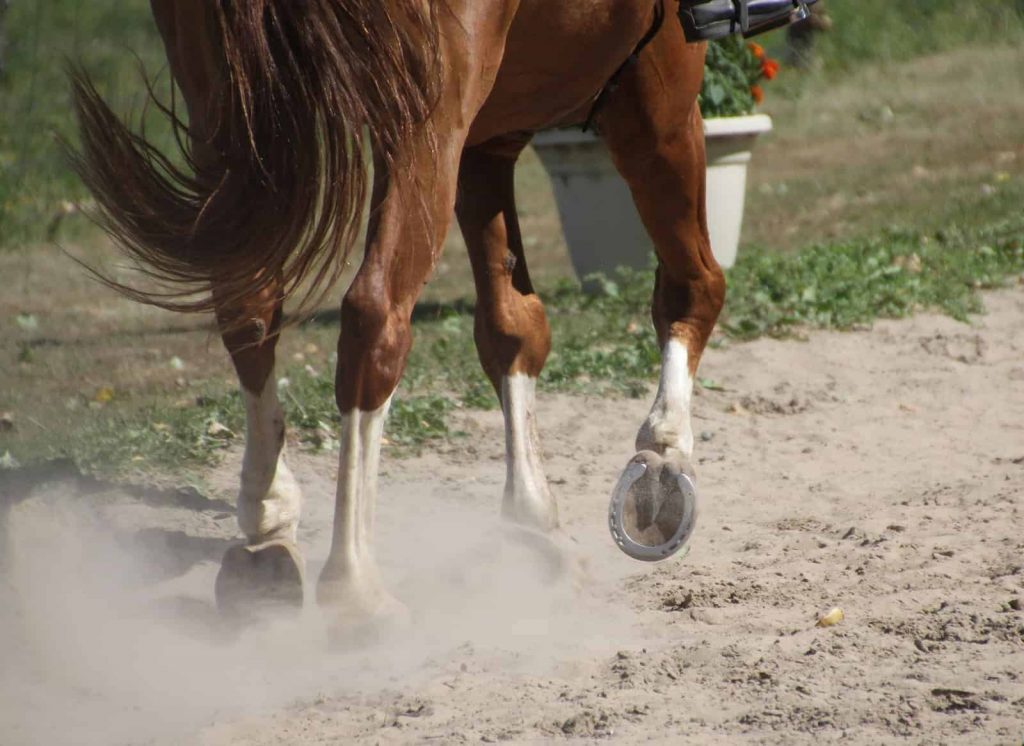
Study findings suggests a biomarker found in horses’ saliva can reveal the level of stress on a horse’s bones and joints during work.

Dr. Mike Pownall provides actionable insights for veterinarians from Synchrony’s Equine Lifetime of Care study, a report estimating the lifelong cost of owning and caring for a horse.

Read about the science behind equine PAAG products.