Checking for Equine Gastric Ulcers
Here’s what to expect if your horse needs to undergo gastroscopy, the only surefire way to check for equine gastric ulcers.

Here’s what to expect if your horse needs to undergo gastroscopy, the only surefire way to check for equine gastric ulcers.
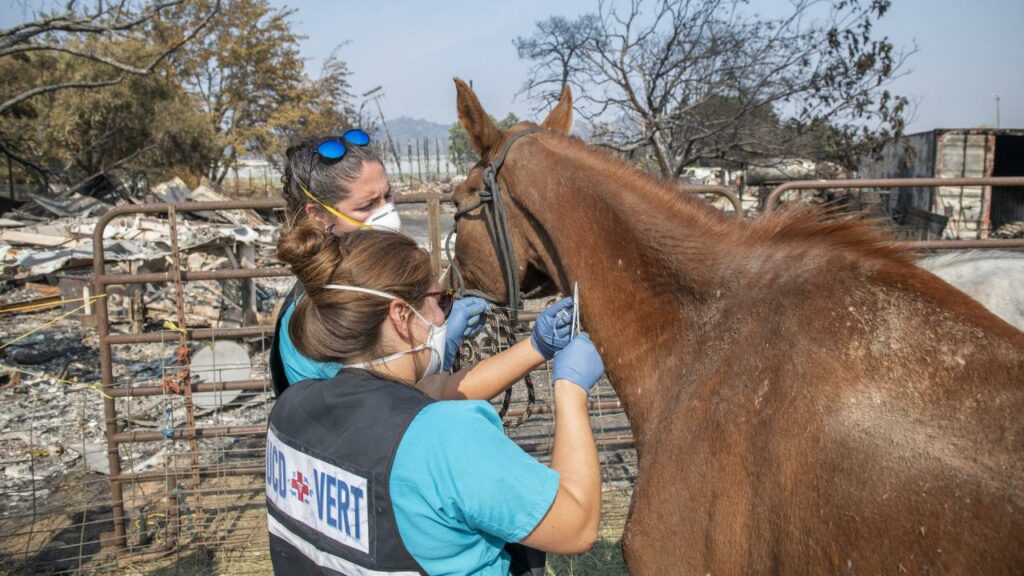
Administered by the UC Davis School of Veterinary Medicine, the program will support and train a network of government agencies, individuals, and organizations to aid domestic animals and livestock during emergencies.

A study found omeprazole protected horses against phenylbutazone-induced equine glandular gastric disease but might exacerbate phenylbutazone-induced intestinal disease.

Meet Tokyo Olympic Head Farrier Ben Benson of Great Britain, and learn what it takes to keep high-performance horses shod during the Games.

Researchers described normal pituitary gland appearance on MRI. Their findings might help veterinarians identify PPID in horses and start treatment earlier.
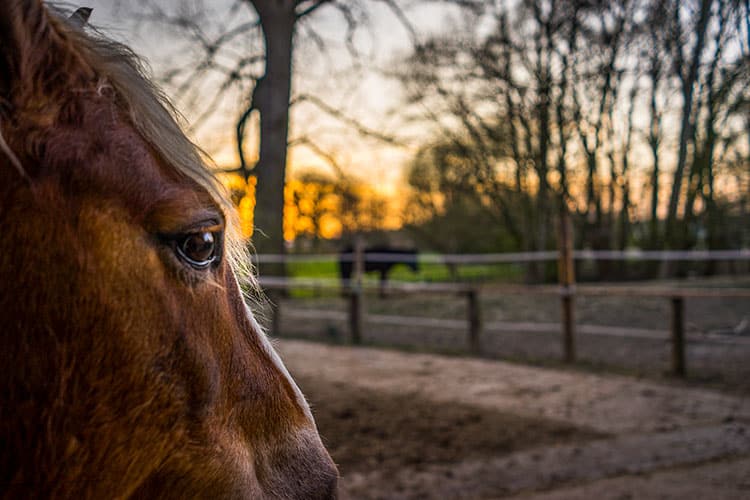
Learn what steps you and your veterinarian can take to get to the bottom of subtle horse health problems.
This year’s topic is respiratory disease research, with a due date of Sept. 15.
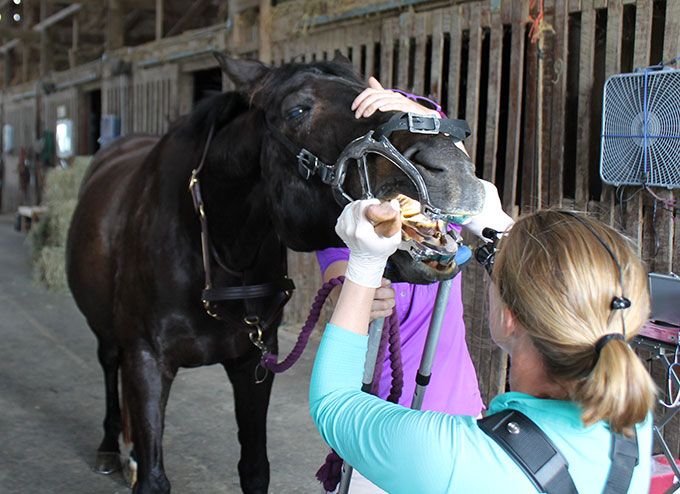
Modern options for equine sedation allow veterinarians to safely and thoroughly provide care for their patients during standing procedures such as dental exams and joint injections.
AAEP member veterinarians embarking on equine research in graduate school are eligible.

Survey: Owners generally like trying out complementary and alternative therapies on their horses. But they don’t always tell their veterinarians about it.

Dr. Gina Tranquillo-Shade and Michele Haman of Equilibrium Therapy LLC discuss regulations around who can perform massage on horses.

Learn about equine sedation and anesthesia in this Q&A with a leader in the field.

Computed tomography (CT) and magnetic resonance imaging (MRI) are two diagnostic imaging methods veterinarians can use to capture images of structures within your horse’s body. Learn more in this visual guide!

Should a horse get turnout after a massage? A warm bath and liniment rub? Rest or exercise? Dr. Gina Tranquillo-Shade and Michele Haman of Equi-Librium Therapy LLC talk about what care a horse should receive immediately after a massage.
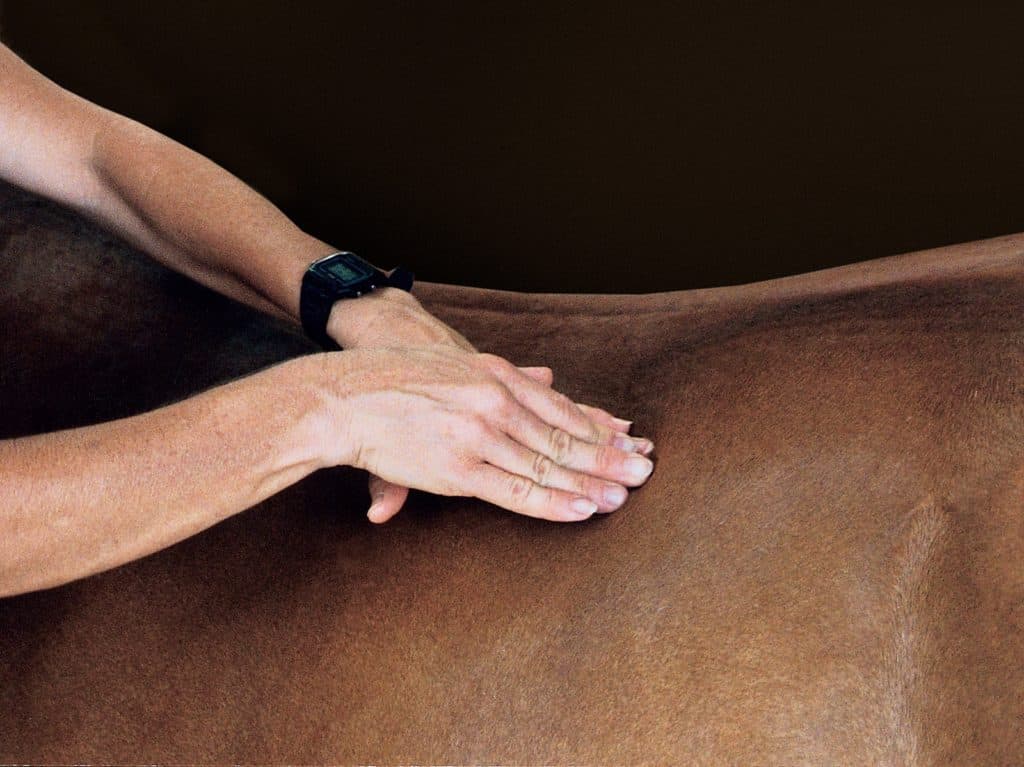
Dr. Gina Tranquillo-Shade and Michele Haman of Equi-Librium Therapy LLC talk about whether massage can help or hurt horses with polysaccharide storage myopathy.

The UC Davis standing equine PET scanner provides imaging at the molecular level to monitor racehorse health and guide training and medical care.