AAEP Updates Vaccination Guidelines
The guidelines make new recommendations for core and risk-based vaccines for horses. The committee further emphasizes that routine vaccinations are considered essential during the COVID-19 pandemic.
News and issues for equine health professionals

The guidelines make new recommendations for core and risk-based vaccines for horses. The committee further emphasizes that routine vaccinations are considered essential during the COVID-19 pandemic.

Using 0.2% PHMB-impregnated gauze reduced the growth of underlying bacteria commonly implicated in orthopedic wounds and infections of horses.

Adjusting a horse’s environment and administering medications as needed can help some asthmatic equids return to function.

The World Organisation for Animal Health (OIE) hosted a global webcast as humans—facing a health crisis of their own due to COVID-19—try to protect horses and prevent the spread of AHS during the disease’s current outbreak in Thailand.

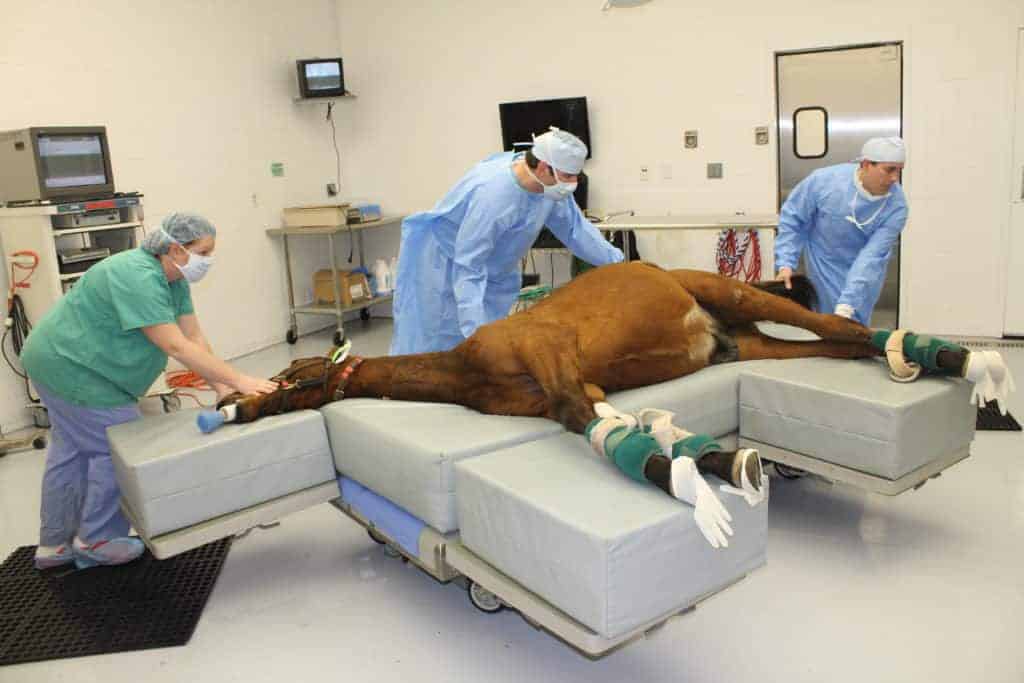
A veterinarian dispels 4 common rumors that often sway an owner’s decision to pursue surgery for a colicking horse.

The state of California has issued the following guidelines for equestrian facilities to prevent the spread of COVID-19.

Researchers at North Carolina State University have developed a PRP lysate that, when teamed with antibiotics, can eradicate bacterial biofilms common in joint infections.

Here’s what you need to know about holistic veterinary medicine and how vets can integrate it into everyday practice.

We asked two mobile equine veterinarians how clients can prepare both themselves and their horses for veterinary visits. Here are 10 ways you can help your vet maximize time, cut costs, and ensure you get the service you want—and, perhaps, go the extra mile when you need it most.

Penn Vet researchers found older horses with small intestinal lesions that survive colic surgery are just as likely as younger horses to develop postoperative reflux or to survive to hospital discharge.

Study: Amikacin is indeed toxic to cartilage, synovial cells, and stem cells. When used preventively for joint injections, lower doses are likely warranted.

Administering detomidine gel to mares intravaginally might be easier and more effective than giving it intravenously.

A deep branch lateral plantar neurectomy and fasciotomy procedure can get affected horses back to work.

Management strategies include inhaled corticosteroids and environmental changes such as steaming hay.
Investigators studying equine musculoskeletal, gastrointestinal, and metabolic disease, laminitis, racing safety, new technologies, and other topics are encouraged to apply.

Seven measurement tools and methods veterinarians can implement into equine rehabilitation programs to track progress.
Stay on top of the most recent Horse Health news with
"*" indicates required fields