Patella Infections in Foals Require Prompt Care (AAEP 2011)
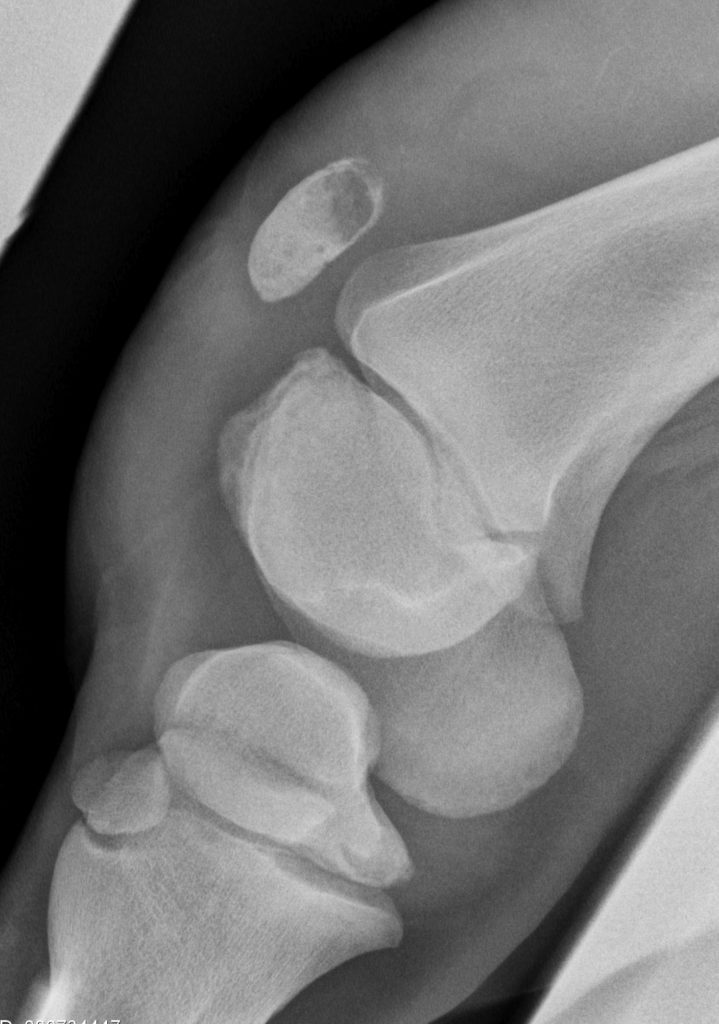
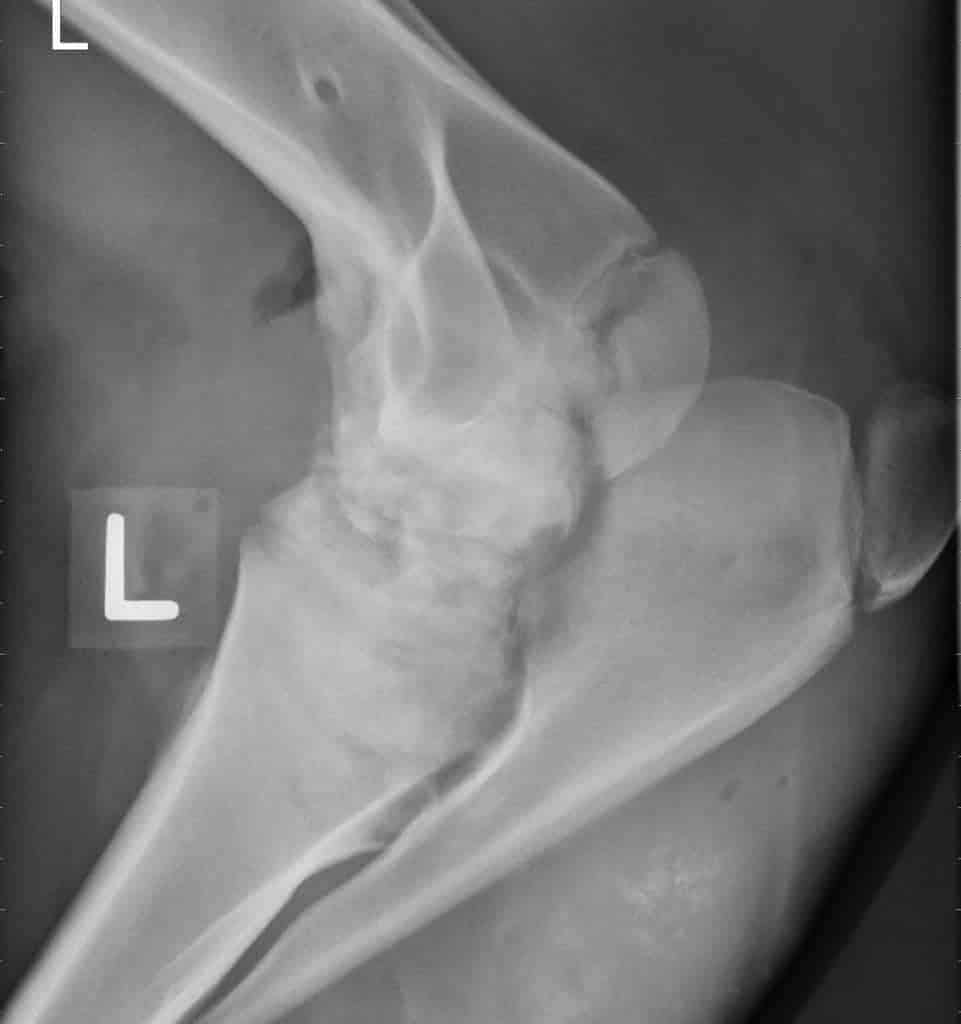
Patella infections in foals, while uncommon, can result in prolonged and severe stifle joint infection.

Patella infections in foals, while uncommon, can result in prolonged and severe stifle joint infection.

One researcher says manual therapies can effectively relieve back pain.

Owners or caretakers should be prepared for emergencies when mares are scheduled to foal.

In one study of horses with acute respiratory disease, researchers found rhinitis in 42% of affected animals.

Aspiration site should depend on clinician preference, as the cells from both sites behave similarly.
Mixed study results indicate more research is needed to determine dosing frequency and therapeutic window.

In the current study most horses successfully returned to their prior athletic function after colic surgery.
The multistate outbreak in 2011 illustrated the need for infectious disease control in the equine community.
Treatment goals should be to aid in performance without eliminating the joint’s natural response to injury.

Kissing spines are more likely to cause clinical problems in certain breeds, disciplines, and age groups.

Past studies showed that vaccines were only sometimes effective in preventing development of viremia.

Veteran broodmares are at risk of placentitis, partly due to anatomic changes from previous foalings.
Exercise-associated hematuria, urethral tears, and idiopathic renal hematuria are three less common causes.

Certain hoof characteristics can be associated with chronic lameness, while others point to a sound horse.

Acute kidney injury, or compromised renal function, is often reversible if treated appropriately and promptly.
Topics discussed included diagnostic methods, types of back pain, kissing spines, and treatment methods.