West Nile Virus Strikes Ohio Horse
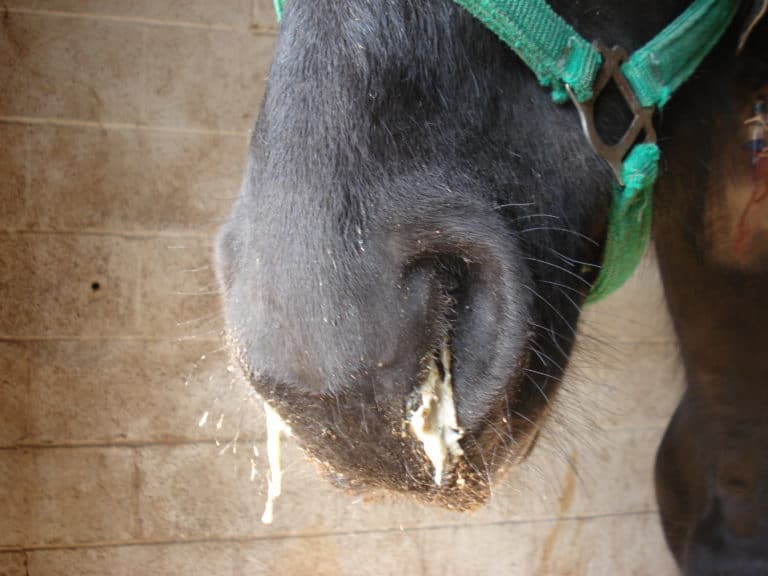
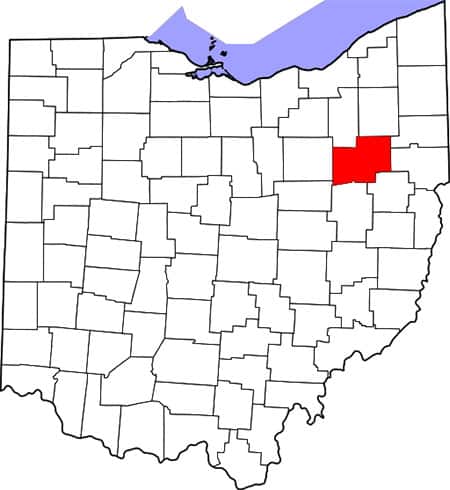
A Stark County horse is the state’s first equine case of 2019.

A Stark County horse is the state’s first equine case of 2019.

Just six or seven months ago, Kentucky was dealing with overabundant rainfall and soaked pastures, but now things are close to bone dry. Kentucky needs rain, and fast.

Newly confirmed cases include horses in Jackson, Kalamazoo, Montcalm, and Newaygo counties.
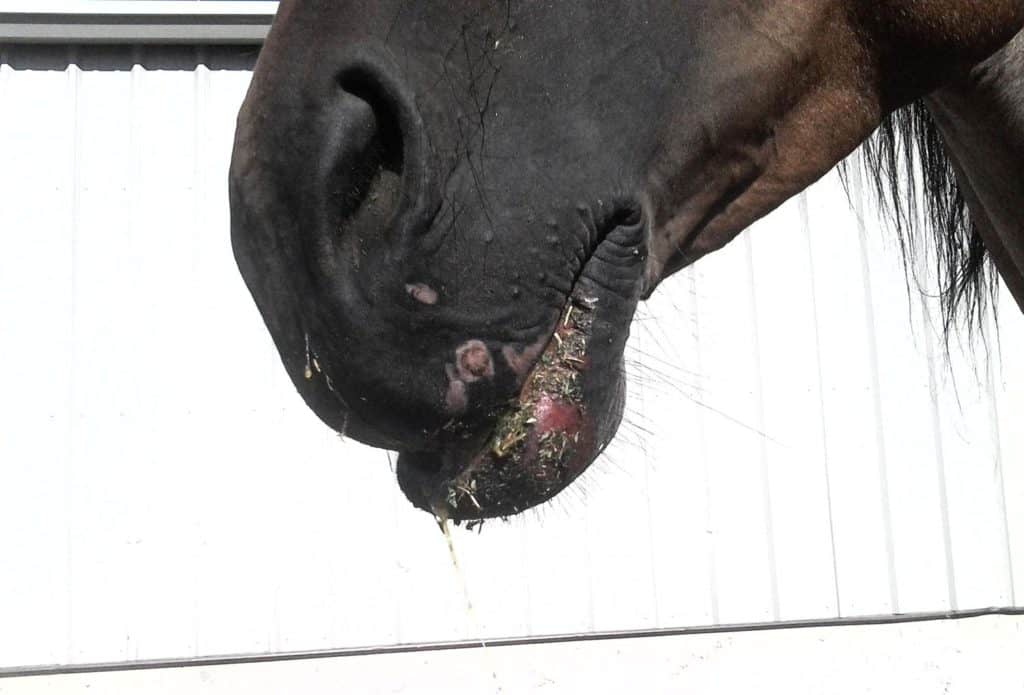
According to a Sept. 19, 2019, USDA update, the number of newly affected premises has dropped for first time in five weeks.

The Retired Racehorse Project offers three educational seminars on Friday, Oct. 4, hosted by the editors of The Horse: Your Guide to Equine Health Care.

The Miniature Donkey is the state’s 10th Eastern equine encephalomyelitis case in 2019.

Officials have confirmed the state’s fourth equine WNV case for 2019.

Officials have announced the state’s third equine case for 2019.

Officials confirm 10th equine WNV case for 2019.

Animal health authorities have confirmed the state’s first equine West Nile virus case of 2019.
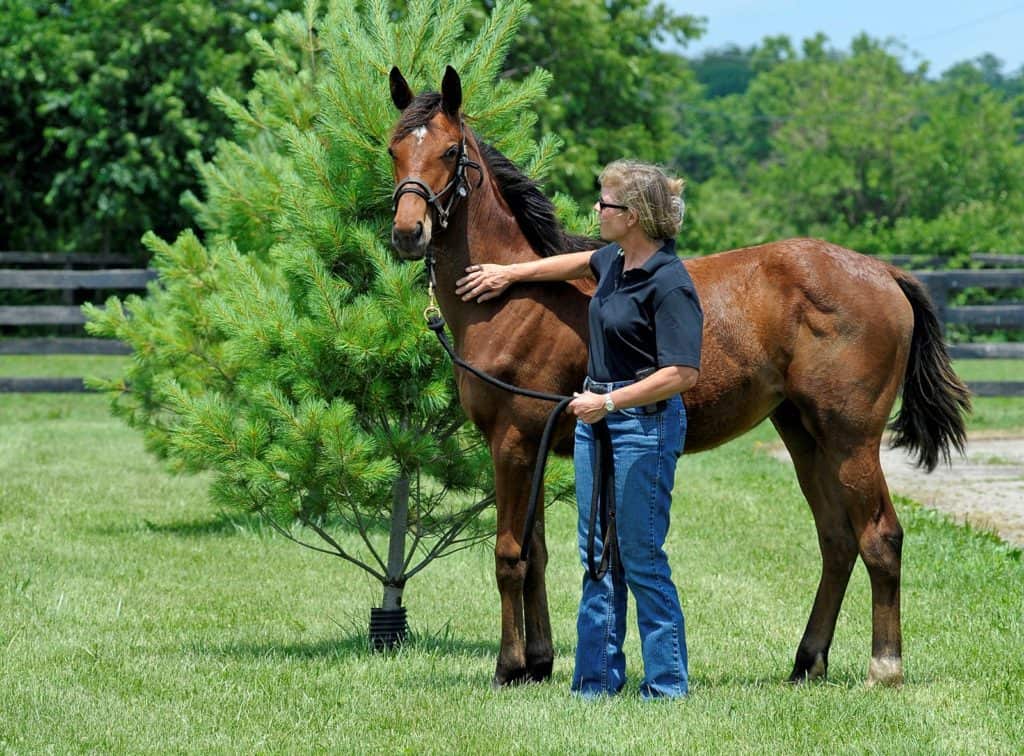
Dr. Nancy Diehl shares how you can earn your horse’s respect through consistent training with both positive and negative reinforcement.

This is the state’s third equine case for 2019.

Use these disease prevention strategies to protect your horse on the farm, at the horse show, and in the breeding shed.

Seven states remain affected by vesicular stomatitis virus.

Officials confirm Madera County’s second case.

Two of the horses have been euthanized, and one is recovering.