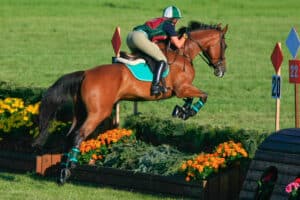
What Is Normal in Today’s Sport Horse?
A veterinarian describes three real-life examples of horses with physical abnormalities competing successfully.


A veterinarian describes three real-life examples of horses with physical abnormalities competing successfully.

The key concepts behind 6 orthobiologics available to equine veterinarians.

An equine internist explains how she makes testing decisions and interprets results.

A wide range of conditions can cause poor performance, but many cases circle back to lameness with a behavioral component.
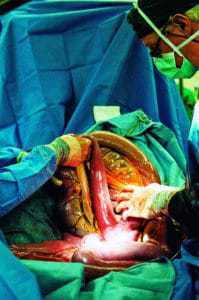
Knowing what imaging and clinicopathologic tests to perform in what order is key to diagnosing challenging cases.
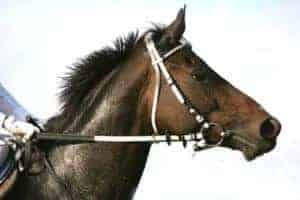
Learn about recent research on the causes of EIPH, how it affects horses and their performance, and furosemide use in equine athletes.
Learn how to help your horse avoid joint problems such as osteoarthritis, osteochondritis dissecans, and joint flares. Sponsored by Hyaluronex Joint.

A veterinarian describes what causes podotrochlosis and how practitioners diagnose and manage it.

Because the hooves are integral to soundness, veterinarians and farriers should work together to give lame horses the best prognosis.

A veterinarian explains how he uses serum amyloid A to diagnose many equine conditions, plus its limitations.

Find out how to get athletic horses with injuries to the large, complex stifle joint on the road to recovery.

A veterinarian explains the risk factors and recovery process for superficial digital flexor tendon injuries.

Recent study results suggest dietary changes can alter horses’ intestinal microbiome to their benefit.

Horses with equine Cushing’s disease need regular assessments to determine their response to pergolide and adjust dosing as needed.

Researchers are redefining the muscular diseases long called “tying-up.” While they seem similar, the causes are different, and each requires specific management.

West Nile virus is still a threat to horses, but veterinarians say vaccination rates are down.