Bone-Marrow-Derived Macrophages Promising for Preventing OA
Researchers found significantly lower levels of inflammation in synovial fluid and the joint lining in joints treated with bone-marrow-derived mononuclear cells.


Researchers found significantly lower levels of inflammation in synovial fluid and the joint lining in joints treated with bone-marrow-derived mononuclear cells.
Researchers used PRP-L to treat joint infections caused by the common bacterium Staphylococcus aureus, with encouraging results.

Scientists looked at the drug’s safety, efficacy, and ease of use under natural conditions.

Researchers tested pooled platelet-rich plasma lysate as a unique anti-inflammatory approach to joint preservation on lab samples.

Renowned equine anesthesiologist Dr. John Hubbell described equine anesthesia, and its strengths and limitations, in the Milne Lecture.
Researchers explored the ability of bone marrow mononuclear cell (BMNC) therapy to improve lameness, with good results.

Researchers found horses treated with antibiotics have significantly less diversity (fewer bacterial species) in their GI microbiomes than healthy horses.

Not all equine influenza vaccines are the same. Does that mean horses need boosters when receiving a different EIV vaccine than they’ve gotten in the past? Researchers investigated.

Researchers investigated if two common joint supplement ingredients contribute to worsening gastric ulcer scores in horses.
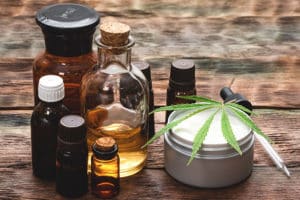
CBD is becoming increasingly popular. However, a veterinarian turned attorney warns equine practitioners to tread cautiously when it comes to discussing CBD products with clients.

Learn about the pros (and potential cons) of these medications approved to help horses with navicular syndrome and other musculoskeletal disorders in this free fact sheet.

Ditching dry hay in favor of cleaner forage options improved racehorse airway inflammation.

Does your horse need a dollop, dab, pinch, or peck? Learn to formulate a diet based on your horse’s age, body condition, and health status.

Scientists reviewed research on this painful disease that affects a horse’s teeth, gums, and bone.

If your horse survives one of these five infections, he might still suffer lasting effects. Learn which diseases most commonly cause post-infection illnesses and how they can impact a horse’s long-term health, use, and quality of life.

Vitamin E serves as one of the body’s most potent antioxidants, protecting various cells—including those of the immune system—from the harmful effects of free radicals.