
Key Concepts for Managing Donkey Feet
Researchers looked at donkeys’ unique hoof care needs. Here’s what they recommend.


Researchers looked at donkeys’ unique hoof care needs. Here’s what they recommend.

British researchers found more success treating EGGD with misoprostol than with a combination of omeprazole and sucralfate, known to effectively treat squamous ulcers.
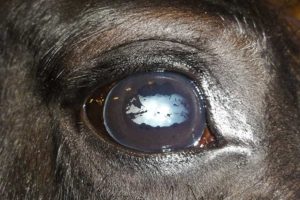
Find out what behaviors and signs to watch for that suggest visual impairment, and learn how to help horses deal with deteriorating eyesight and blindness.

Blood testing provides a clearer picture of potential cobalt misuse.

Navicular syndrome management changed significantly in 2014 when the U.S. Food and Drug Administration approved bisphosphonates for treatment. Sponsored by Dechra Veterinary Products.

Researchers set out to determine whether these inhaled medications simply relieve airway constriction for horses with heaves or, more importantly, improve lung function. Here’s what they found.

Texas A&M researchers reviewed the current body of knowledge surrounding bisphosphonates and their use in horses. Here’s what they found.

Researchers investigated whether microbiome composition could be breed-specific and, therefore, influence horse health and behavior.

If developed, an economical and relatively easy-to-perform stallside test could help veterinarians better identify asthmatic horses and provide an alternative to bronchoalveolar lavage.

British researchers found sport horses and those with higher adoption fees found homes most quickly.

While largely considered eradicated in domestic horses, researchers found that most feral horses tested positive for the internal parasite.

PHF is a serious disease in horses and expensive to treat, say veterinarians. Find out your options.
An SAA test can identify illness in horses, and it can also ensure they’re healthy enough for other procedures, such as surgery. Here’s a look into how some vets use SAA in their practices.

Equine influenza is one of the most contagious and costly diseases. As such, preventing its spread in the first place is the easiest course of action.

They might be small, but these flying fiends can spread some deadly diseases.

Researchers and veterinarians around the world strive to learn more about the lamellae and have made scientific advances in laminitis diagnosis, treatment, and prevention over the past several years. Here’s what we know.