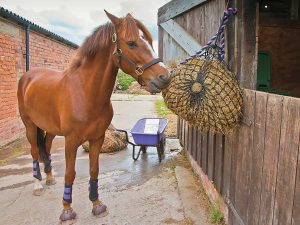
Tips for Preventing Equine Gastric Ulcer Syndrome
What can you do to protect your horse’s sensitive stomach against gastric disease?


What can you do to protect your horse’s sensitive stomach against gastric disease?

Learn about the distinctions between squamous and glandular disease and how to help your horse avoid painful gastric ulcers.

Research shows slight shifts in the horse’s intestinal microbiome can have far-reaching effects.

Discover how one horse show venue handled a disease outbreak and improved its biosecurity practices to prevent one in the future.

An inside look at the 2018 EHV-1 outbreak that impacted hundreds of horses at a California show and how to control the disease.

Learn about fibrotic myopathy, MFM, botulism, PSSM, and HYPP and how they affect horses.

Veterinarians must consider certain factors when performing diagnostics to identify the source of respiratory disease.

Is barefoot right for your horse? Learn why and how farriers transition shod horses to barefoot.

After years of speculating that colic occurs more frequently in horses that crib, researchers have finally provided consistent data confirming this association.

Learn why this antioxidant is important for muscle health and how to supplement it safely.

Humans, not insects, are now the major source of equine infectious anemia (EIA) infections.
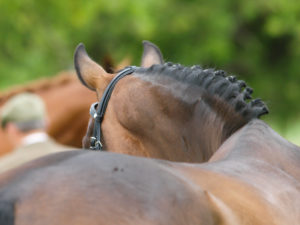
How veterinarians diagnose and rehabilitate horses suffering from kissing spines.

Researchers suggest high-protein diets might be harmful for horses with ID.

Veterinarians should consider medications for controlling hyperinsulinemia in horses only when diet and exercise prove insufficient.

This new system might make testing sick horses’ blood glucose levels more efficient.

Equine practitioners explain how they use orthobiologics to treat common causes of equine lameness.