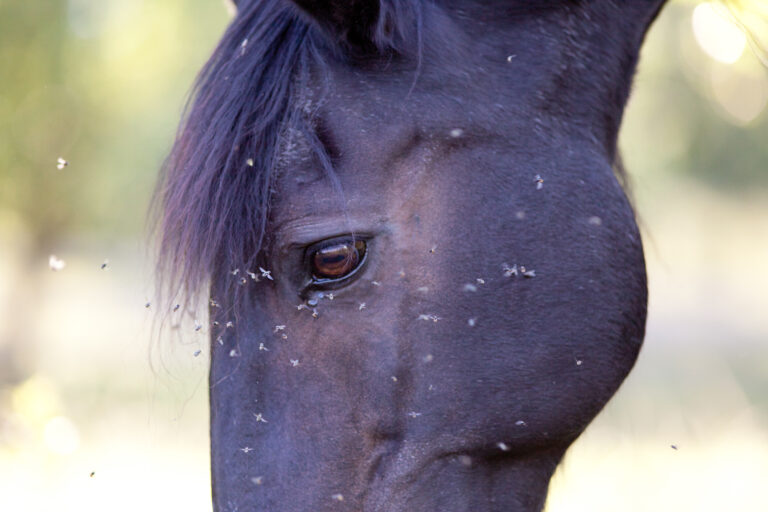
Equine Skin Infections Awareness Week, Sponsored by Phovia Equine
Look for educational information about equine skin infections all week on TheHorse.com.


Look for educational information about equine skin infections all week on TheHorse.com.

Download this free guide for information on the latest veterinary products and services on display at the AAEP Convention trade show.

Explore the causes of the chronic hoof condition navicular disease and find out how you can manage it.

Learn about feeding basics, from hydration and forage to feeds and supplements, so you can make the best nutritional choices for your horse.

Veterinarians consider MRI the gold standard for diagnosing equine musculoskeletal injuries. Learn more with this visual guide.

West Nile virus has infected more than 29,000 U.S. horses since 1999. Learn about the disease and how to protect your horses in this updated interactive feature.
Learn about the 4 stages of wound repair and the steps you can take to help your horse’s wounds heal.

Tendon and ligament injuries are leading causes of poor performance in horses. Learn about different conventional and therapeutic treatment modalities in this visual guide.

A ration balancer is designed to provide your horse with the essential nutrients forage-based diets most likely lack.

Milt Toby, an award-winning author and attorney, was a longtime contributor to The Horse.

Use this visual guide to understand how equine arthritis develops and how horses’ joints can degrade over time.

Diagnosing lameness in horses can be challenging, but veterinarians have an arsenal of imaging modalities available to help them make an accurate diagnosis.

Scratches, also known as pastern dermatitis, is a multifactorial infection commonly seen on a horse’s lower legs. Get tips for recognizing and managing this condition in our visual guide.

Follow these 10 steps to maximize bathtime for your horse.
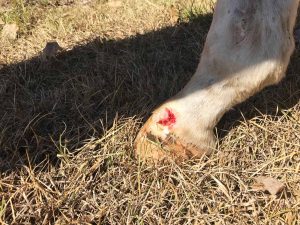
Has your horse come in from the pasture with a laceration on his fetlock or an abrasion on his hip? Learn how to care for many types of equine wounds during Wound Care Awareness Month at TheHorse.com, sponsored by Phovia Equine.

Learn about the American Association of Equine Practitioners’ recommended core and risk-based horse vaccines in this handy special report. Sponsored by Boehringer Ingelheim.