Scientists are improving equine pain control one NSAID and transdermal patch study at a time

In years past, veterinarians had limited access to analgesics for horses, leaving the animals to suffer from pain associated with colic, laminitis, osteoarthritis (OA), ocular trauma, and myriad other conditions. We now have more options that we once did; however, a void remains to be filled.
“The mainstay of analgesia in horses is non-steroidal anti-inflammatory drugs (NSAIDs), but these are limited in efficacy and can cause gastric ulceration and colitis,” says Rachel Reed, DVM, Dipl. ACVAA, associate professor in Anesthesia Service in the University of Georgia College of Veterinary Medicine’s Department of Large Animal Medicine, in Athens. “Opioids are great but carry their own adverse effects and, more concerningly, the potential for diversion (transferring for illicit use). Most opioids, therefore, cannot be sent home with owners.”
Further, most opioids must be injected in the muscle or in the vein. Options exist for transdermal administration, but those usually cost more, says Reed.
Here we’ll present some of the key studies conducted on medications used for pain control in horses published in the past 12 to 24 months, which centered on NSAIDs and opioid transdermal patches.
NSAID Research in Horses
NSAIDs for Abdominal Pain: No Clear Winner
Citarella et al. (2023) conducted a systematic review to determine if one NSAID could be recommended over another when treating abdominal pain (colic- or castration-related) in horses. They reviewed articles published between 1985 and 2023, searching for studies using meloxicam, flunixin meglumine (Banamine), phenylbutazone (Bute), firocoxib, and ketoprofen. Remarkably, only eight studies met the inclusion criteria during this 38-year period, involving 175 horses with colic pain and 184 horses undergoing castration.
“One reason for conducting this study was that anecdotal observations suggest that the cyclooxygenase-2 (COX-2) selective NSAIDs are not as effective at controlling abdominal pain as the traditional nonselective NSAIDs that block both COX-1 and COX-2,” explains Regula Bettschart-Wolfensberger, Prof. Dr. med. vet., PhD, Dipl. ECVAA. Bettschart-Wolfensberger is head of the section of anesthesiology in University of Zürich Vetsuisse Faculty’s Department of Diagnostics and Clinical Sciences, in Switzerland, and a co-author on the study.
Another reason for performing this study was that phenylbutazone and flunixin meglumine are the two most used NSAIDs for colic in the U.K., U.S., Canada, and South Africa. Scientists believe COX-2-selective NSAIDs (e.g., meloxicam, firocoxib) have a better safety profile than nonselective NSAIDs. Therefore, it would be valuable to know if COX-2 NSAIDs were as effective or more effective as analgesics compared to nonselective NSAIDs. Even understanding if one NSAID offers better pain relief than others, regardless of COX specificity, would be beneficial.
The research team reported this review did not find scientific evidence supporting the widespread selection of flunixin meglumine as the first-line analgesic for abdominal pain. In 80% of the included studies, flunixin meglumine was used, highlighting that flunixin is considered a gold standard, yet without evidence to support this status.
“We need randomized blinded clinical trials of good quality,” says Bettschart-Wolfensberger. “This is expensive, time-consuming, and needs owners and everybody involved to be ready to enter the trial. We need to answer two questions: Which is safer? Which has the better efficacy?”
Citarella and colleagues therefore concluded, “New, prospective, randomized, blinded clinical trials, focusing on addressing pain, with a validated easy-to-use pain score, are deemed necessary to elucidate the analgesic efficacy of NSAIDs in the treatment of abdominal pain in horses.”
In a similar vein Keen and Shipman (2024) conducted an “evidence summary” of published papers comparing the COX-2-selective NSAID firocoxib to the nonselective NSAID flunixin meglumine. Overall, they identified only two studies providing sufficient information to answer the question, “In horses surgically treated for colic, is flunixin meglumine compared with firocoxib better at providing postoperative analgesia?”
“Both flunixin and firocoxib provided similar levels of postoperative analgesia in horses surgically treated for strangulating lesions of the small intestine,” says Emma Shipman, BVetMed, MSc, Dipl. ACVIM-LAIM, Dipl. ECEIM, CertVA, FHEA, MRCVS, clinical assistant professor in equine medicine at the University of Nottingham, in England.
Given these results, one might be inclined to jump to COX-2-selective NSAIDs for postop analgesia. But Shipman doesn’t feel this recommendation can be made just yet.
“Based on this study, I could be confident that I could provide good analgesia to my postoperative colic patients if I chose to use firocoxib,” she says. “Whether or not firocoxib is safer would require a different evidence analysis, different question, and different evaluation of the literature.”
Shipman says COX-2-specific NSAIDs in theory act on the inducible form of COX upregulated in systemic inflammation, while having less effect on COX-1 enzymes, also known as the housekeeping prostaglandins because of their beneficial functions, such as protecting the mucosal barriers in the gut. The unintentional blocking of COX-1 enzymes is believed to cause some of the side effects reported with NSAIDs, such as gastric ulceration.
“This is unfortunately a vast simplification, and there is not good-quality evidence in horses that COX-2-specific NSAIDs are safer,” Shipman notes.
Research on NSAID safety, however, continues as described in the next study.
Safety of the COX-2 Selective NSAID Firocoxib
Again, COX-2 enzymes are presumably associated with fewer side effects due to their COX-1-sparing effects. However, researchers have not evaluated the COX-2 NSAID firocoxib for long-term safety (beyond 14 days). Considering veterinarians prescribe this drug to many horses, especially those with chronic conditions such as OA, further studies are needed. Ignácio et al. (2024) recently conducted a pilot study evaluating the safety of daily firocoxib for 40 days in healthy adult horses. They assessed the outcomes using hematological and biochemical measures (i.e., evaluating white and red blood cell parameters, platelets, and internal organ function). Seven horses were included and treated with a single 57 milli-gram tablet of firocoxib (dose range was 0.11-0.14 mg/kilogram) once daily for 40 days. The researchers collected and evaluated blood samples at baseline (Day 0), on Days 10, 20, 30, 40, and again on Day 55 and 70, which were following cessation of treatment.
None of the horses showed any sign of NSAID toxicity such as abdominal pain, oral ulcers, reduced feed intake, or diarrhea throughout the study period to Day 70. The researchers noticed some hematologic and biochemical parameters were significantly reduced during treatment. Those included erythrocytes (red blood cells), lymphocytes (a type of white blood cell), total leukocytes (all types of white blood cells considered together), and the liver enzymes alkaline phosphatase (ALKP) and aspartate aminotransferase (AST). Those values, however, remained within the respective reference ranges and returned to their pretreatment levels after NSAIDs were discontinued.
Ignácio and colleagues therefore suggested further studies are warranted evaluating the safety of firocoxib for a more prolonged course and in healthy and injured or diseased horses using additional clinically relevant outcome measures.
Safety of Bute in Young and Aged Horses

Studies addressing NSAID safety weren’t limited to firocoxib. A team at Tufts University’s Cummings School of Veterinary Medicine, in North Grafton, Massachusetts, and the Massachusetts College of Pharmacy and Health Sciences examined the safety, or more specifically the pharmacokinetics, of Bute in young and geriatric horses. Daniela Bedenice, Dr. med. vet., Dipl. ACVIM, ACVECC, of Tufts, a co-author on the study (Zaghloul et al., 2024), defines pharmacokinetics as the movement and the modification of a medication inside the body or how a drug is affected by the body after it is administered (i.e., how drugs are absorbed, distributed, metabolized, and excreted).
“The rationale for this study was that liver and kidney function may be reduced in aged horses, which in turn could alter drug metabolism and elimination and therefore increase the risk of drug toxicity and adverse effects,” explains Bedenice.
Aged horses with chronic ailments, such as lameness due to OA, often receive NSAIDs regularly and for prolonged periods, yet scientists had not yet evaluated the effect of aging on NSAID pharmacokinetics and safety. If the pharmacokinetics are indeed different in aged horses, then dose adjustments might be warranted to decrease the risk of drug toxicity, as is commonly performed in people.
In the study, eight young healthy horses (4 to 10 years old) and eight healthy geriatric horses (25 years or older) each received a single dose of Bute (2.2 mg/kg) intravenously. Using standard pharmacokinetic procedures, such as assessing drug distribution and elimination, researchers did not identify any differences in the way the bodies of young and aged horses affected the drug and its metabolite, oxyphenbutazone.
“Based on these findings, it does not appear that phenylbutazone dose adjustments are required for healthy geriatric horses,” says Bedenice. “However, this was a single-dose study performed in clinically healthy animals, and further information would need to be gathered after longer-term NSAID use, especially in horses with underlying intestinal, kidney, or liver problems. Irrespective of patient age, routine monitoring of changes in blood protein levels and kidney function can help assess drug safety during longer-term use of phenylbutazone.”
Bute Plus Cannabidiol Oil (CBD) for Osteoarthritis
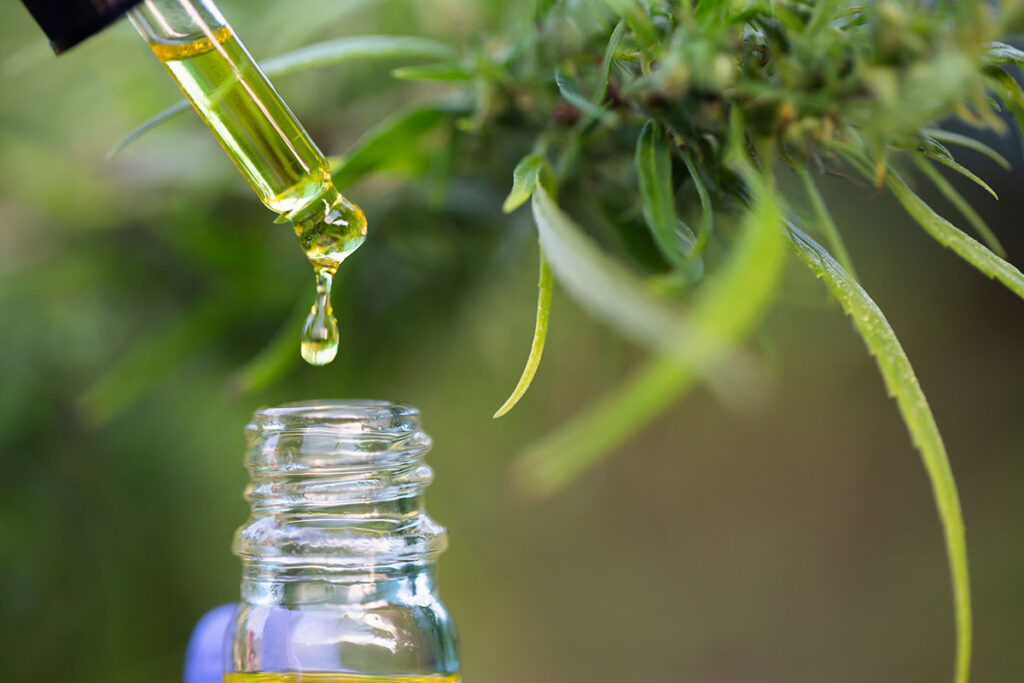
Veterinarians often manage the painful degenerative condition of joints with more than just NSAIDs, and interest continues to grow surrounding the use of cannabidiol for this purpose. Interlandi et al. (2024) of the Department of Veterinary Sciences at the University of Messina, Italy, recently evaluated the effect of CBD when administered in conjunction with Bute to horses diagnosed with mild joint OA. Twenty-four client-owned horses were included. All horses received 2.2 mg/kg Bute intravenously for five days. Horses in the treatment group also received a commercial CBD product by the oral transmucosal route once daily for 14 days (CBD dose was 0.03 mg/kg). The research team recorded clinical parameters (heart and respiratory rates, blood pressure, temperature, etc.), applied the Horse Chronic Pain Scale, and collected and analyzed blood samples at specific set points during the 14-day study period.
They saw no adverse reactions, including sneezing, headshaking, nausea, salivation, sedation, lethargy, ataxia (incoordination), appetite or ocular changes, urinary incontinence, or diarrhea. The researchers observed significant decreases in heart and respiratory rates in the CBD group at certain time points during the study and recorded significantly lower pain scores in the CBD group than in the control group from Days 9 to 14.
Based on these results, Interlandi et al. reported horses treated with the 15% CBD product used in this study had improved clinical conditions based on a decrease in heart and respiratory rates, as well as pain scores.
They concluded that CBD added to a standard Bute regimen “provided improved pain management and a more satisfactory quality of life than a single NSAID treatment in horses with OA.”
The researchers added that more research into reducing the use of NSAIDs in horses would be beneficial given the risk for the potentially serious adverse effects.
Transdermal Opioid Patches
Reed says opioids are also effective pain medications available for horses, typically administered via the intravenous route. Now, transdermal patches delivering opioids are available, with some clear benefits, including the ability to provide continuous noninvasive pain control.
The opioid buprenorphine is about 30 times more potent than morphine. Its therapeutic response lasts longer, and it has a wider safety profile than the other opioids. Researchers have examined injectable but not transdermal buprenorphine.
“Despite the benefits of the transdermal route, absorption of the medication from the patch varies depending on the anatomic location where it is placed,” Reed says. “This variable absorption can affect both onset and duration of action of the medication.”
Reed and colleagues at UC Davis and Virginia-Maryland College of Veterinary Medicine therefore measured the plasma (circulating levels) of buprenorphine in horses with a matrix-type transdermal buprenorphine patch placed on the metacarpus (cannon bone), gaskin (the large muscle between the stifle and the hock), or ventral (underside) tail base. They included six healthy horses in the study and allowed a 10-day washout between the three treatments. After clipping and cleaning the target area, they placed two patches—each containing 20 mg buprenorphine (20 micrograms/hour )—and collected blood samples at frequent intervals for 120 hours to measure buprenorphine concentrations.
All patches were well tolerated and did not irritate the skin. They remained adhered to the horse except in one case (the gaskin). Researchers observed the most consistent uptake of buprenorphine when patches were applied to the ventral aspect of the tail base.
“In the tail group, buprenorphine plasma concentrations exceeded 0.1 nanogram/milliliter (ng/ml) as quickly as two hours after patch placement and lasting up to 32 hours, making drug delivery consistent across this time period,” says Reed. “This peak plasma concentration was higher and achieved faster in the tail group than the other two groups.”
In a follow-up study Reed and her team found that 20-µg/hr and 40-µg/hr buprenorphine patches affixed to the tail proved safe and well tolerated by all horses. With the 40-µg/hr patches, researchers saw consistently measurable plasma concentrations of buprenorphine from two hours to 96 hours after patch placement, with the mean plasma concentrations of >0.1 ng/ml from four to 40 hours.
“If buprenorphine patches are an option for an owner, it is a mechanism to provide long-lasting opioid analgesia without the need for an intravenous catheter,” says Reed.
While she and her research team also looked at fentanyl patches, the results were not as promising.
“In the fentanyl patch study, we used two, four, and six 100-µg/hr patches and looked at antinociceptive (analgesic) effect via thermal and mechanical threshold,” says Reed. “Unfortunately, we did not achieve our target plasma concentration of 6 ng/ml and did not see an analgesic effect.”
Thus, if using fentanyl patches for analgesia in horses, more than six 100-µg/hr patches are likely needed to achieve an effect.
“This would be outrageously expensive compared to other opioids,” she explains. “So, based on the results of that study, fentanyl patches aren’t a great way to provide analgesia to horses.”
Take-Home Message
The equine industry has a critical need for effective equine pain-relief methods without significant adverse effects. “NSAIDs are a great start, but they often provide insufficient analgesia on their own,” says Reed. “Opioids are highly effective but limited by route of administration and federal/state control due to the risk of diversion. Therefore, advancing research on new, safe, and effective analgesic agents becomes crucial for enhancing equine welfare.
This article was originally published in the 2024 Research Roundup issue of The Horse: Your Guide to Equine Health Care.