AQHF Announces Funding for 2013-14 Equine Research Projects
The American Quarter Horse Foundation (AQHF) has announced their 2013-14 equine research grant recipients.

The American Quarter Horse Foundation (AQHF) has announced their 2013-14 equine research grant recipients.
Peter Pryor, DVM, who worked at a veterinarian at Lane’s End Farm, has died; He was 58.

Researchers believe variables such as breed and geographic location might impact horses’ blood test results.
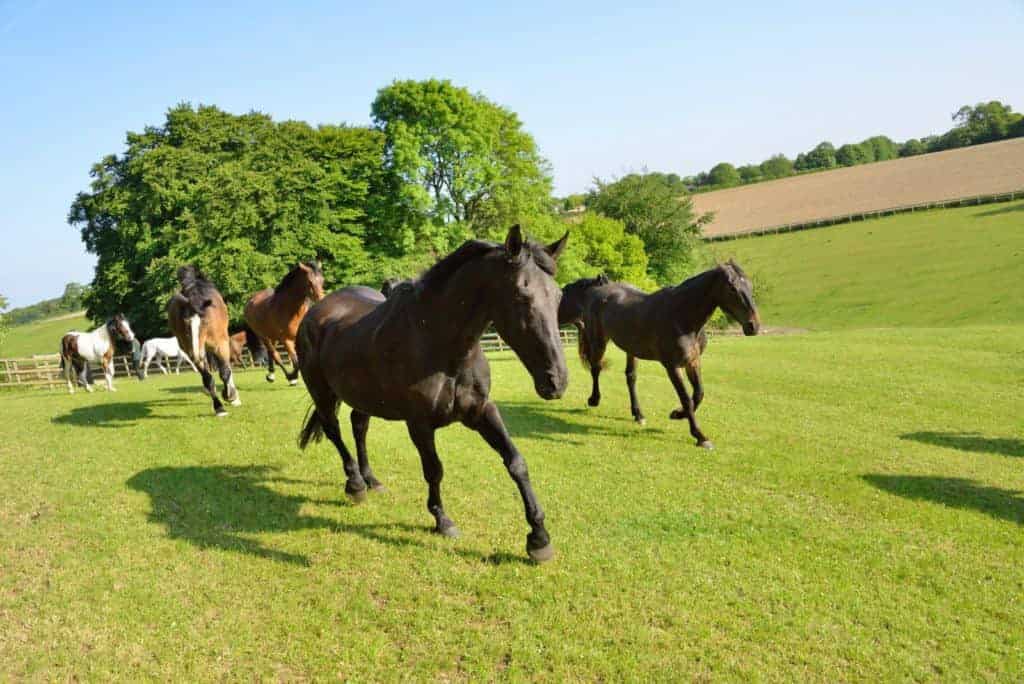
The British Veterinary Nursing Association nominated The Horse Trust as its charity of the year for 2013.
Officials say Suffolk Downs has made several significant improvements from its initial inspection in 2011.

Certain management practices can help owners reduce the risk of their horses developing colic.
Learn how to use the body condition score system to classify horses’ body conditions.
Trainers showed off new skills developed by former racehorses in 15-minute presentations.

The unvaccinated 10-year-old mare from north Pasco was euthanized after becoming ill.
The webinar is designed to introduce the basics of planning and zoning for the equestrian community.
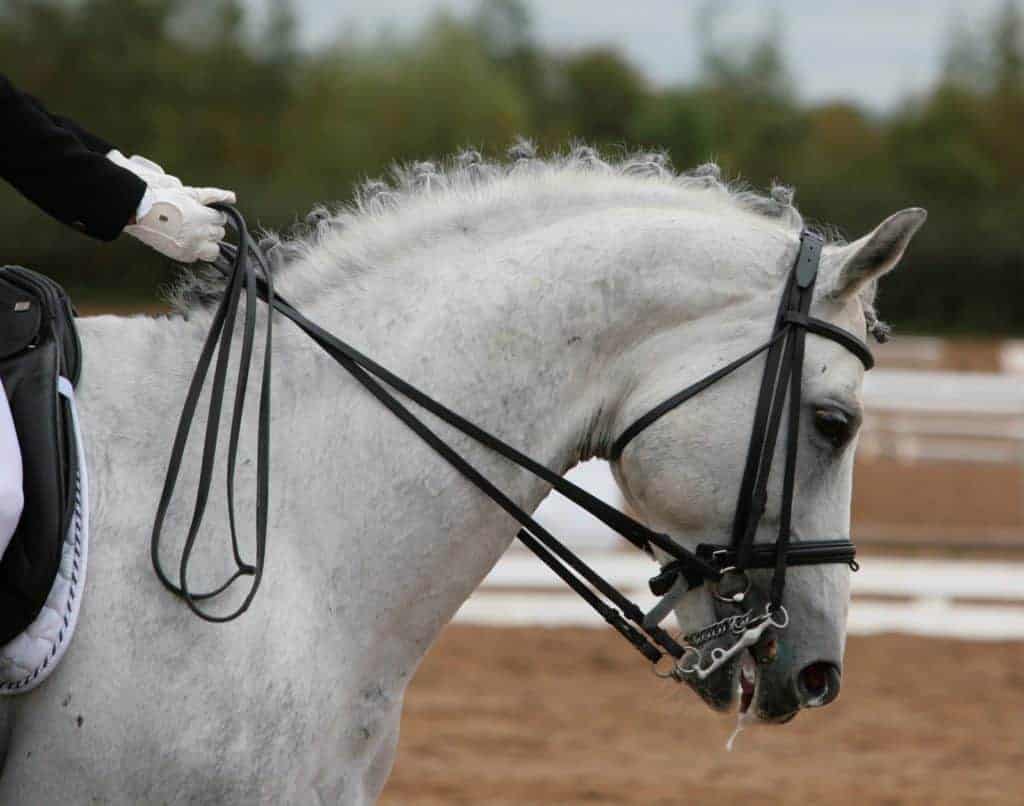
Researchers evaluated the activity of three muscles when horses worked in different head and neck positions.

Veterinarians have recently diagnosed more than 10 horses residing in southern Alberta with pigeon fever.

The IFHA has taken the stand that anabolic steroids should be not be permitted in or out of competition.

Officials in Florida and New Hampshire reported that horses in both states have tested positive for EEE.
The code was designed to establish good welfare procedures to follow to “put the horse first.”
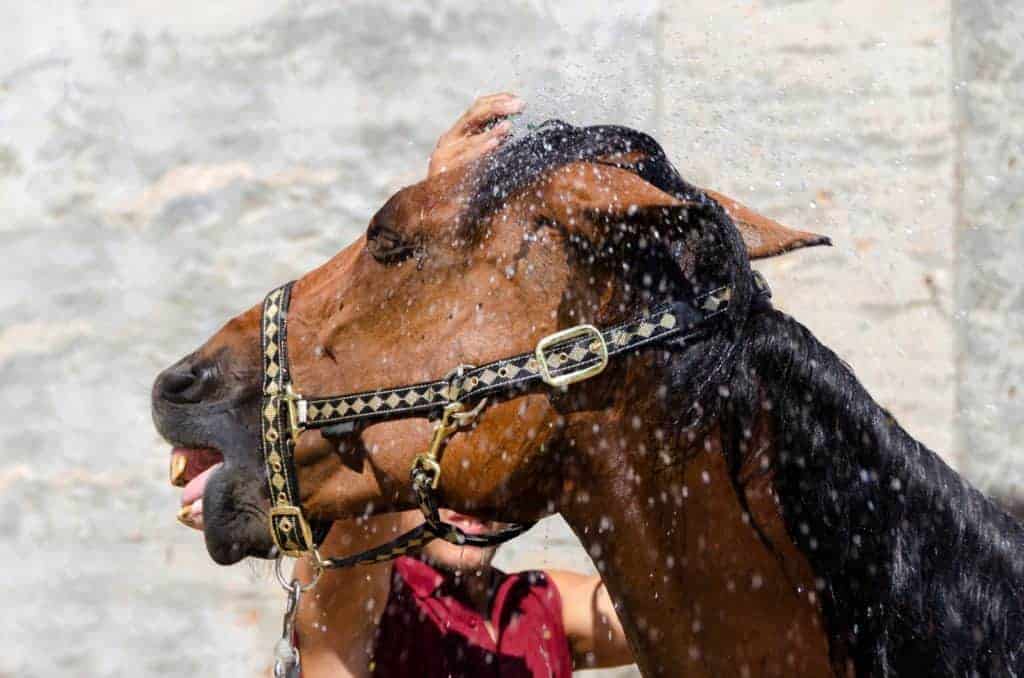
With improved understanding of equine behavior, riders can avoid potentially harmful horse situations.