Young Horse Digestive Health
Understanding how your growing foal’s digestive system works can help you recognize and avoid potential problems.

Understanding how your growing foal’s digestive system works can help you recognize and avoid potential problems.

With much research surrounding how to feed “abnormal” horses, how can we feed “normal” horses to avoid disease? One expert weighs in.

Researchers used AI to analyze horse conformation and detected differences between fragile foal syndrome carriers and noncarriers that might have performance implications.

Proper nutrition is essential to giving your foal a healthy start to life. Learn how to feed a foal that has been orphaned, rejected, or born to a mare with no milk.

When creating a nutrition plan for horses, it is important to understand how much protein they need and which protein sources are most suitable for each individual.

Knowing what to expect and when to call your veterinarian during pregnancy and foaling will help reduce the risk of complications.

Researchers say that even three weeks after weaning foals still experience increased stress levels.

Proper nutrition is vital for your foal’s health and can ensure he reaches his genetic potential.
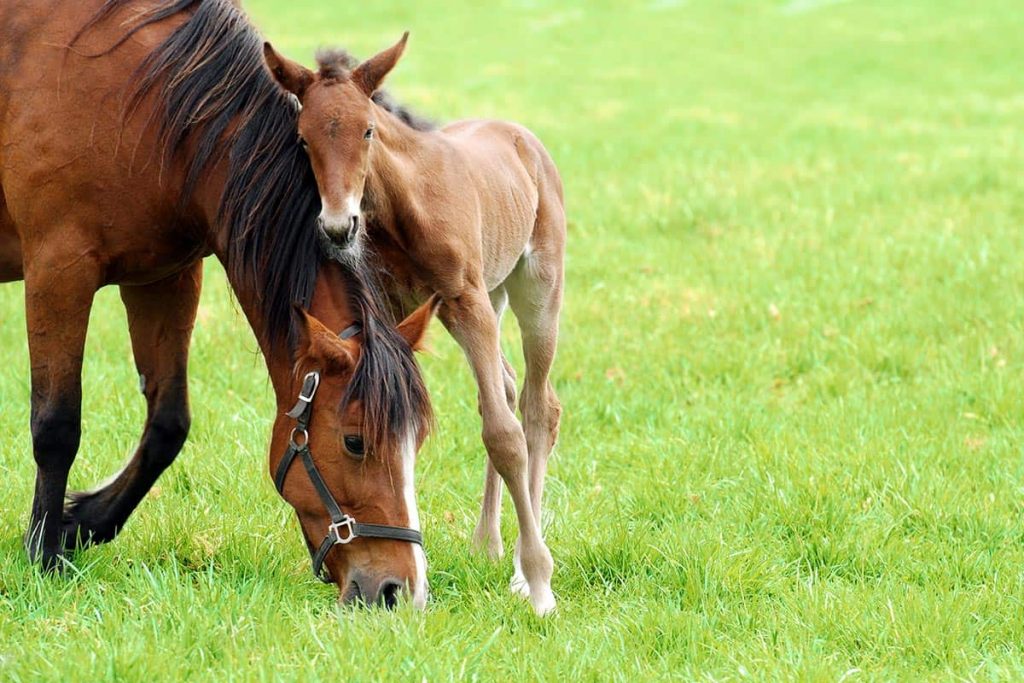
Understanding potential problems during your mare’s pregnancy and after the foal’s birth could be the best way to protect them.

Consider growth rate and nutrient balance when deciding what to feed young horses.
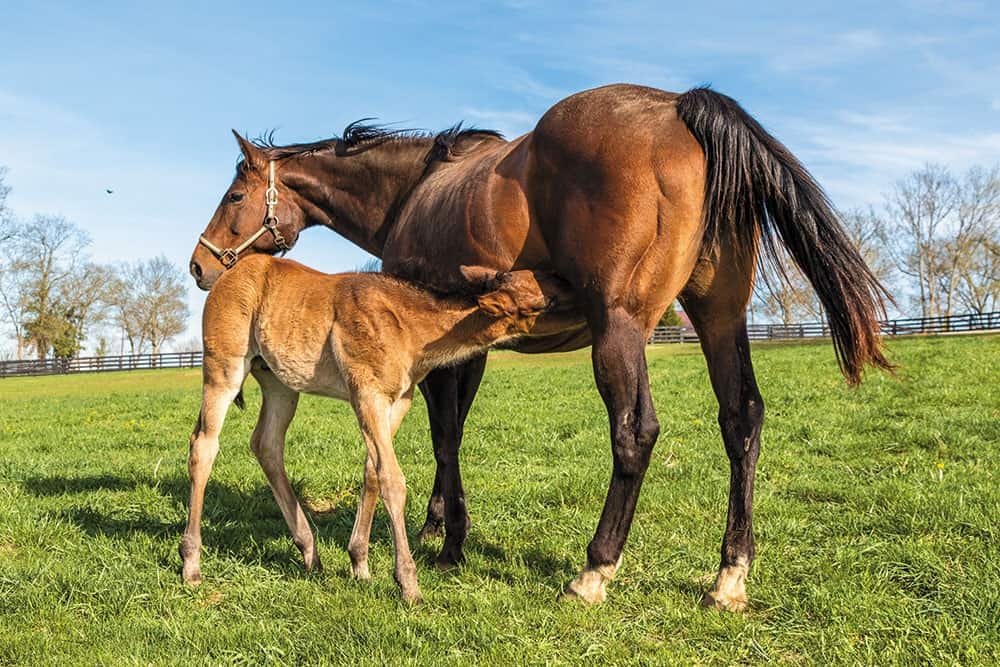
Best practices whether milking a mare by hand, using a commercial device, or rigging a milker out of a syringe.

Your foal needs proper nutrition to get a jump on a healthy life. Here are some tips to ensure he receives it.
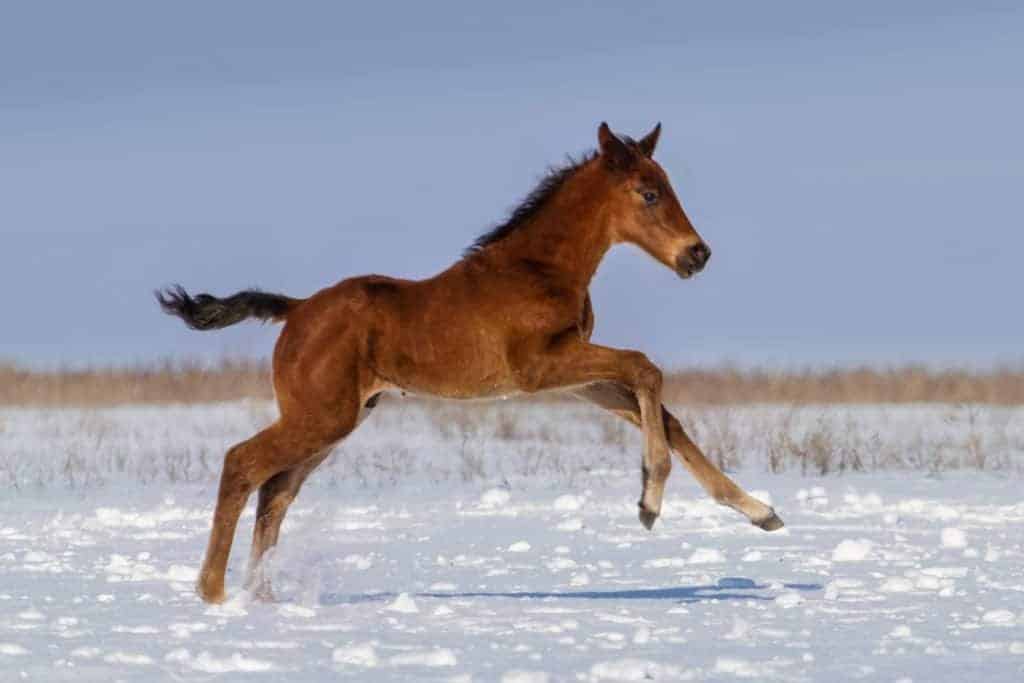
Ensure your decision to breed is the right one and that you’re prepared to handle the costs and commitments involved.

Are you resolving to improve your horse’s nutritional status next year? An equine nutritionist shares her tips.

Time is life for a foal. Here’s a look at the top causes of illness in newborn foals and how to manage a sick foal.
Learn about serum amyloid A and how veterinarians can use it for early identification of inflammation in horses.