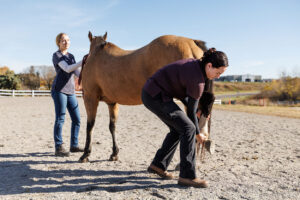
Neurologic EHV-1 Identified in Quebec Horse
A Canadian Horse mare was euthanized before testing positive for EHV-1. More than 50 horses are quarantined.

A Canadian Horse mare was euthanized before testing positive for EHV-1. More than 50 horses are quarantined.

Five additional cases of EHV-1 have been confirmed in connection with the HITS circuit in Ocala, Fla.
Two additional horses have tested EHV-1 positive, bringing the total confirmed count in Utah to four.

The horse tested negative on a nasal PCR swab, but positive for EHV-1 on a blood test.

The state veterinarian has issued a quarantine in Cache County following confirmation of EHV-1 cases.
HITS reported in a Feb. 25 statement that no new cases of the disease have been detected.
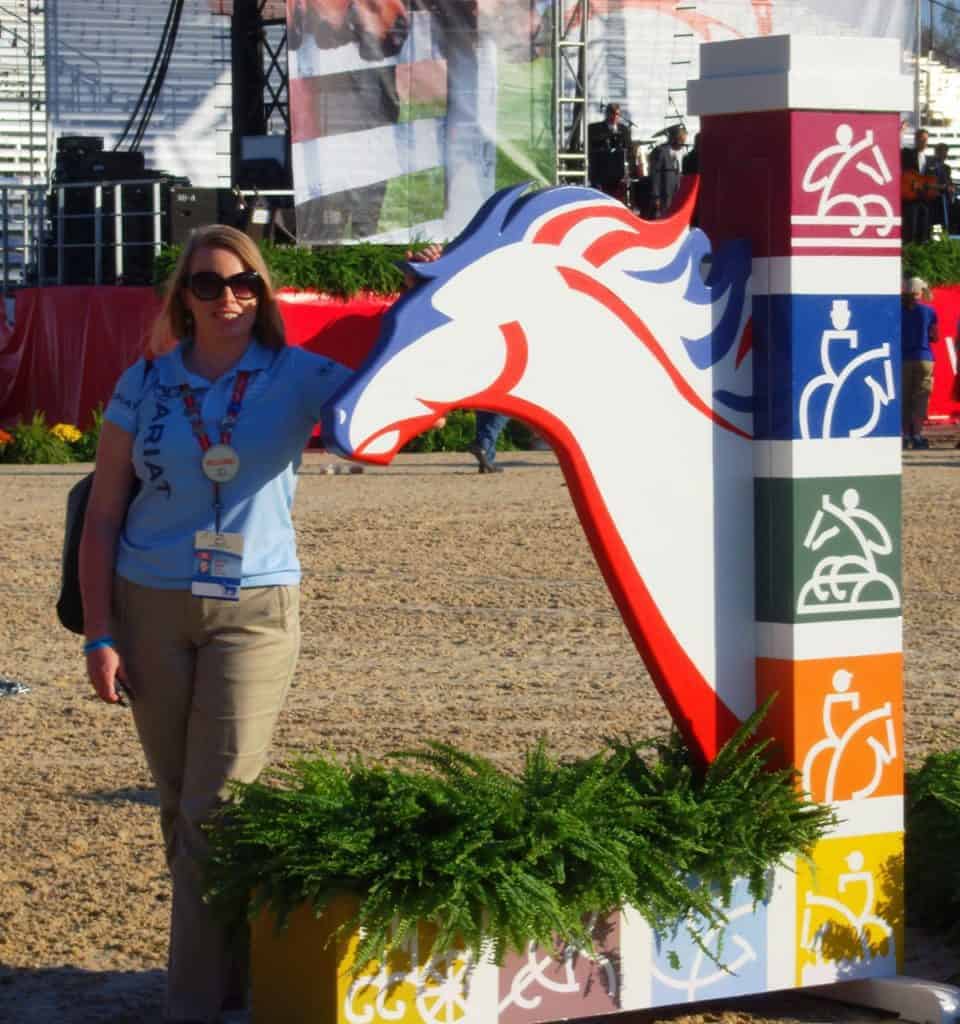
Smith’s research focused primarily on the neurologic manifestation of equine herpesvirus 1 (EHV-1).
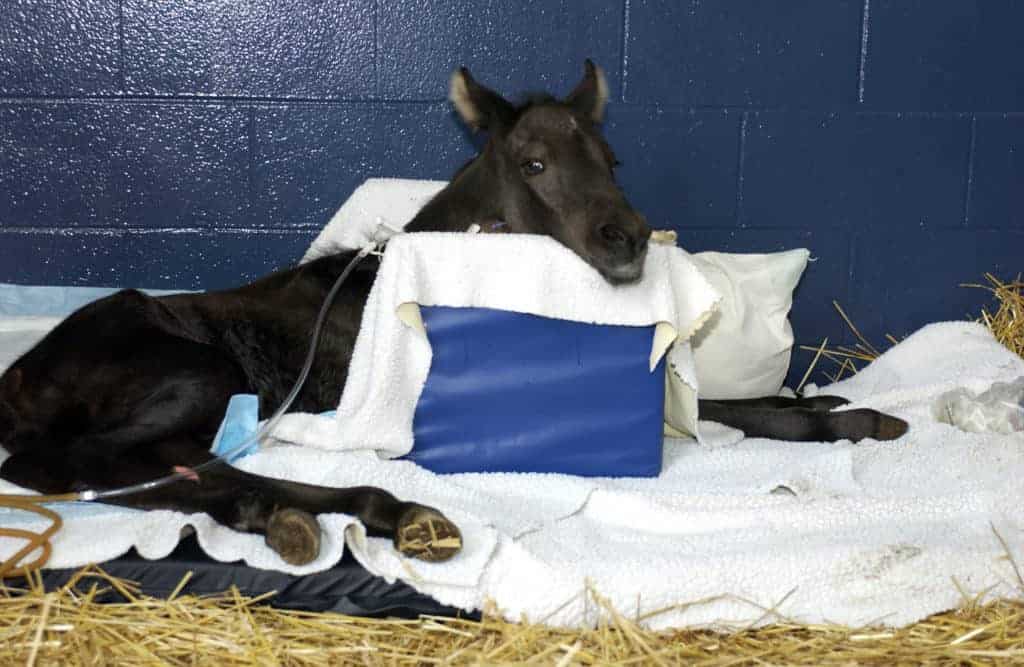
Although early VOD diagnosis is critical, diagnosis could be confounded by nonspecific signs of the disease.
The New Jersey Department of Agriculture has quarantined two farms after horses at both were exposed to EHV-1.
A horse at the HITS circuit reportedly has been diagnosed with the neurologic form of equine herpesvirus-1.
Yearly variability in exposure to a severe disease-causing bacterium of young horses appears to be different than previously thought.
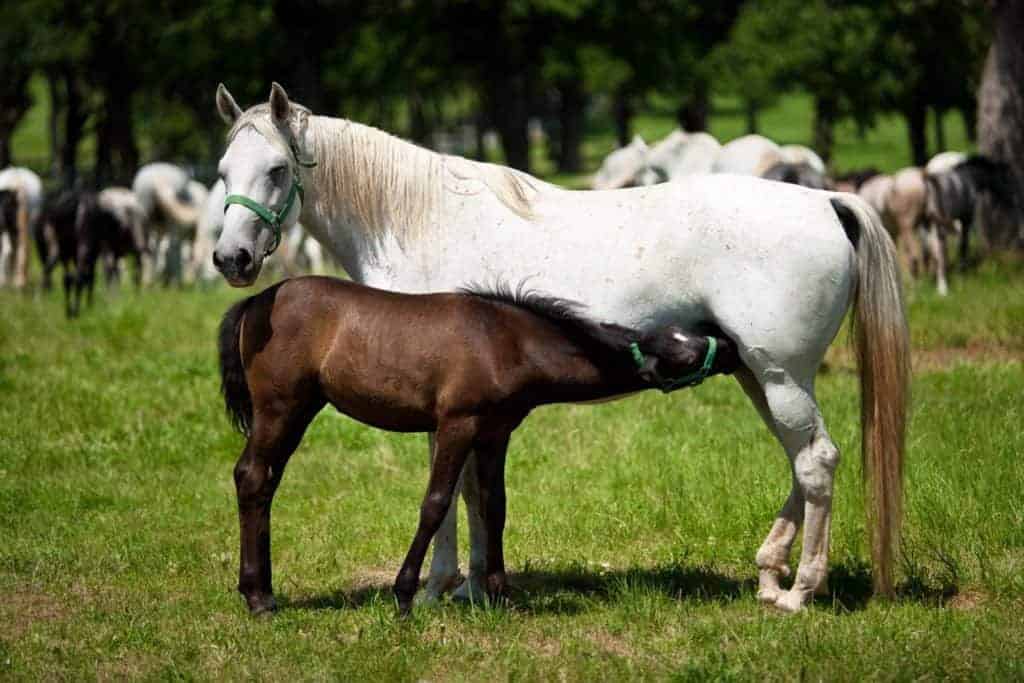
Supporting broodmares’ overall and nutritional health during lactation is especially crucial.
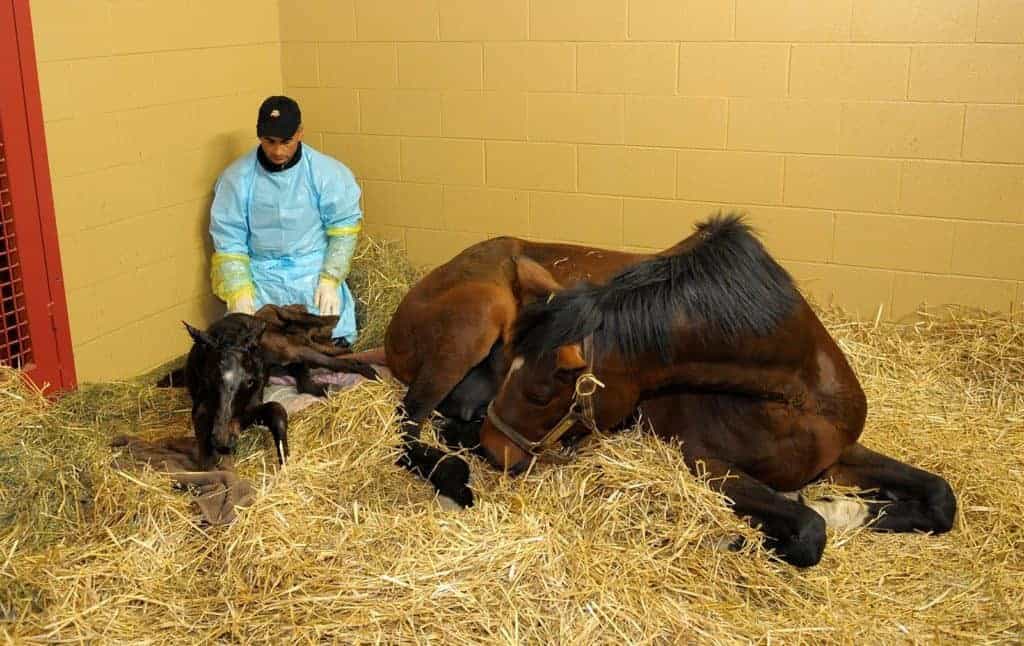
One veterinarian describes five factors that can negatively impact pregnancy and how to respond to them.
While still in serious condition, she was able to go for a short walk and able to eat a small amount of grass.
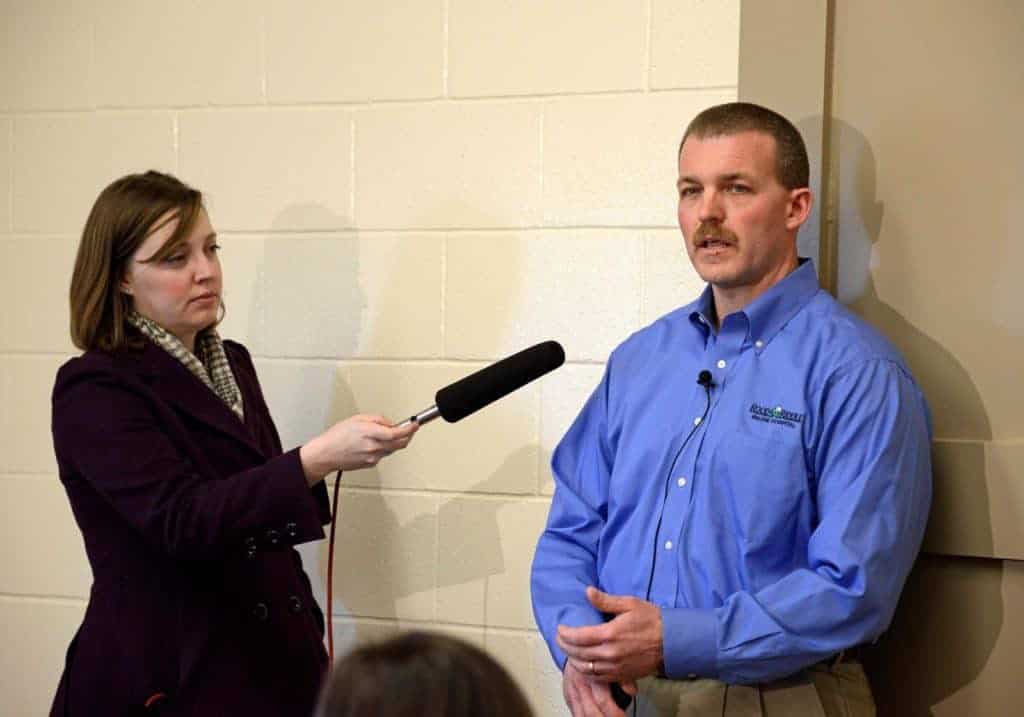
Rachel Alexandra remains in serious condition Feb. 14 after undergoing surgery yesterday.
The equine immunocontraceptive vaccine has been approved for use in adult female wild horses and burros.