Rachel Alexandra Has Post-Foaling Surgery
Rachel Alexandra is in serious condition after undergoing surgery Feb. 13, according to owner Barbara Banke.

Rachel Alexandra is in serious condition after undergoing surgery Feb. 13, according to owner Barbara Banke.

Dysphagic foals require immediate, specialized care to ensure they begin life without a nutritional deficit.
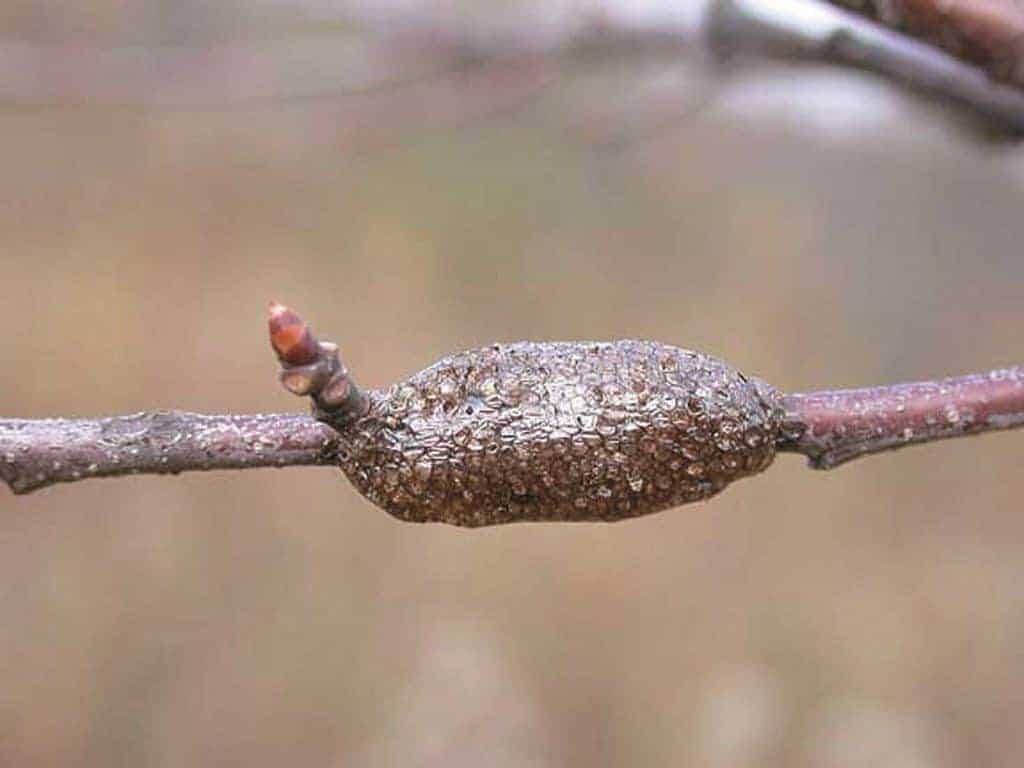
Experts report that the eastern tent caterpillar egg hatch will likely begin in mid-March in Central Kentucky.
APHIS took this action after reviewing probable causes of CEM outbreaks in the United States.
A 17-year-old Lusitano mare from California has been confirmed positive for contagious equine metritis.

Researchers suggest horse genes need to prepare for high performance-associated stress.
Authorities have released all quarantine and hold orders related to a horse that tested positive for EHV-1.
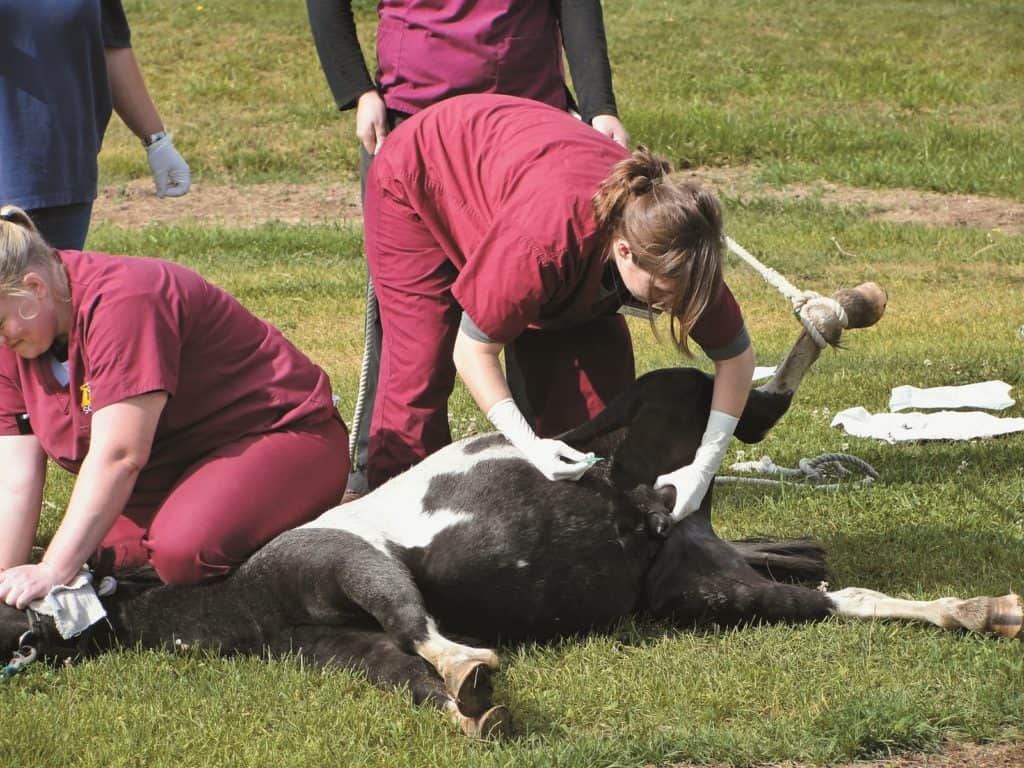
Researchers found that stallions can still lead productive lives as studs with only one testis.

Equine metabolic syndrome can put pregnant mares in an especially precarious in situation.

Dr. Stephen Reed recaps studies on endocrinology, neurologic and muscle disorders, foal health, and more.

The World Organization for Animal Health?s (OIE) standards help prevent the spread of infectious disease.

Rhodococcus equi is well known for its ability to cause severe pneumonia in young foals, but it can also cause septic arthritis (infection of joints), osteomyelitis (infection of bones), neonatal diarrhea (enterocolitis), and more.
Keep a close watch on mares at risk for not carrying a foal to term.

Colorado animal health authorities have placed a quarantine on seven horses including the index case.

Researchers studied the use of Dip Quick stain for examining sperm morphology with positive results.
There are 236 OIE reference laboratories covering 112 animal diseases, including equine-specific ailments.