How Well Do Horse Owners Recognize Laminitis?
Owners did not recognize laminitis in 42 out of 93 cases; rather, they cited undefined lameness, hoof abscess, or colic.

Owners did not recognize laminitis in 42 out of 93 cases; rather, they cited undefined lameness, hoof abscess, or colic.
Confirmed diseases include influenza, EHV, strangles, nocardioform placentitis, piroplasmosis, EIA, and more.
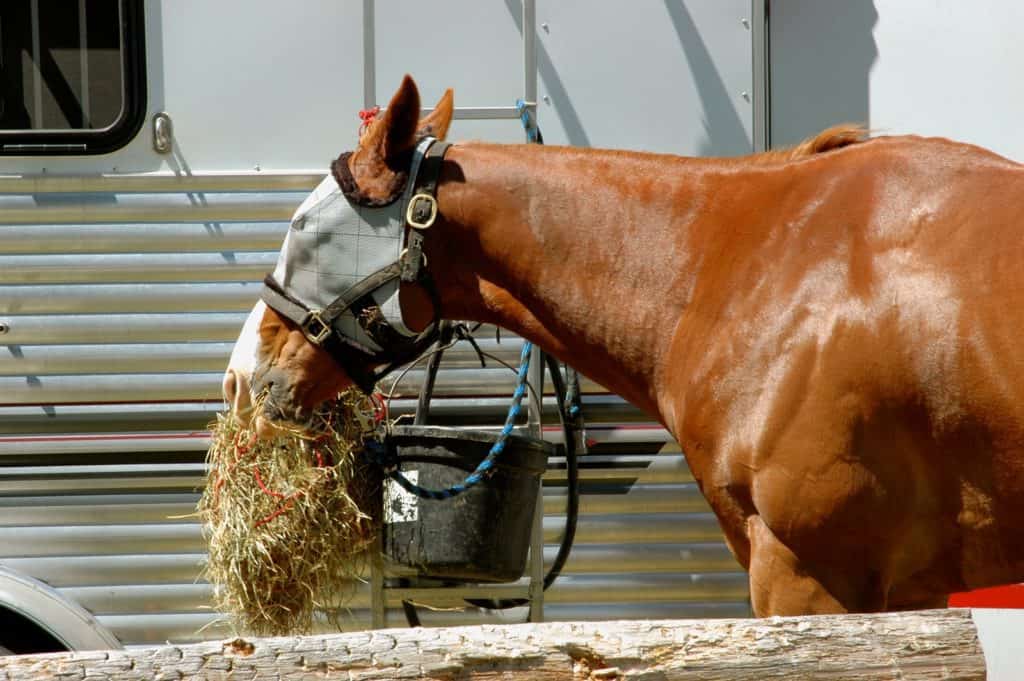
Travel stress can lead to gastric ulcers and colic. Use these strategies to help keep your horse healthy away from home.

Study results suggest that owners’ responses to colic signs vary considerably based on their knowledge and experience.
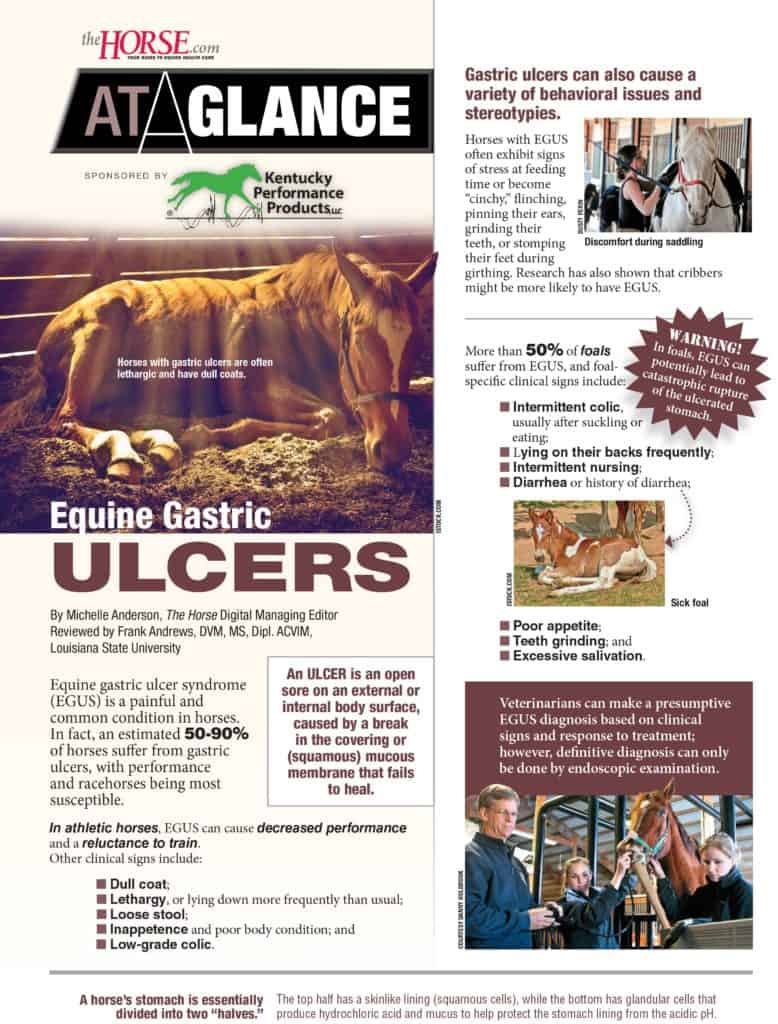
Equine gastric ulcer syndrome (EGUS) is a painful and common condition in horses. Download this free guide to learn more!

Many cases of colic in foals can be corrected medically with the assistance of a veterinarian.

Equally as important as knowing if you’d send a horse to surgery is understanding what to prepare for once he’s home.

Does your colicking horse need to go to a clinic? Here’s how veterinarians determine the need for referral.

Horses are more prone to digestive upset than other domestic animals because of how their GI tract functions.
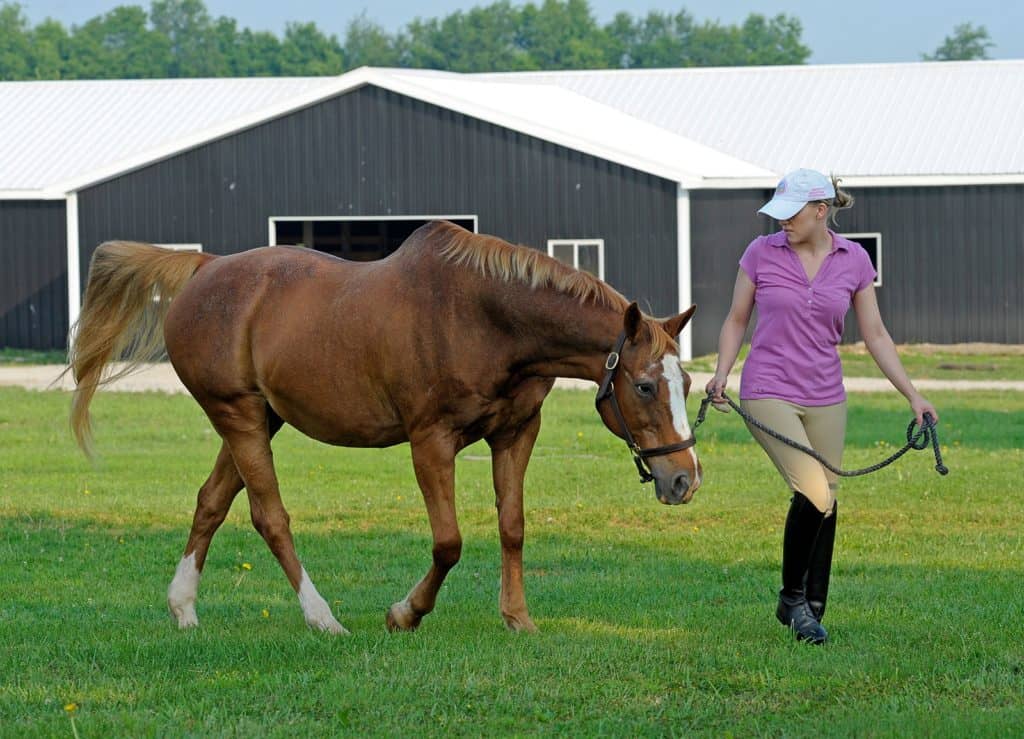
Colic is the most common cause of equine deaths. Take a closer look at this devastating condition.

The goal of medical management centers around breaking the associated pain cycle and reestablishing proper GI function.

Developing an understanding of post-colic feeding practices can help your horse on the road to recovery.
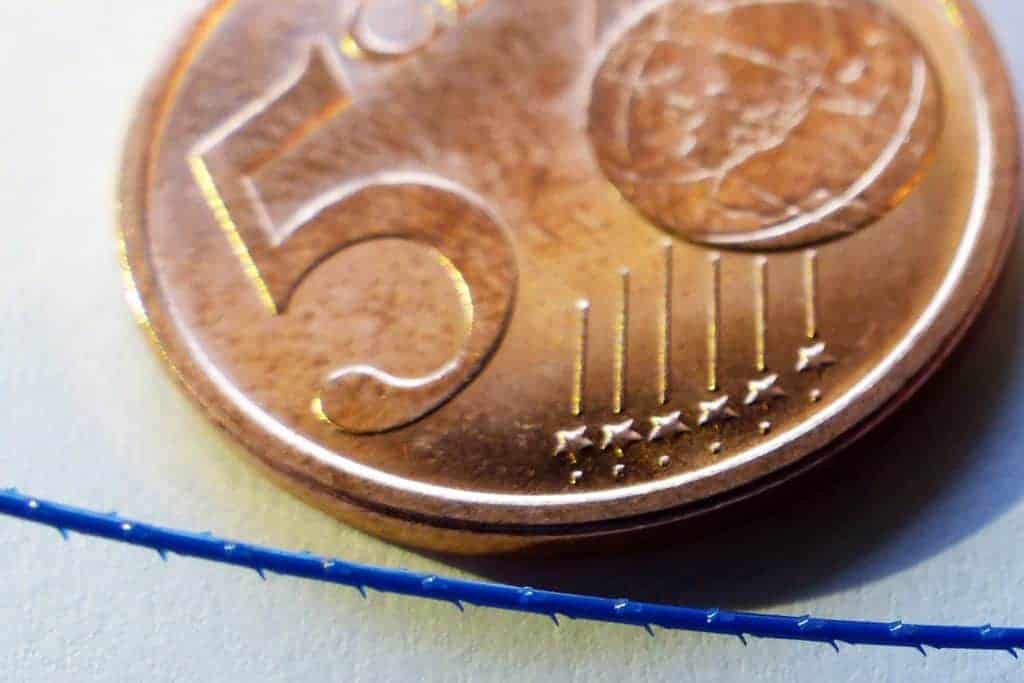
Barbed sutures eliminate the need for knot-tying and distribute tension on the suture line more evenly, researchers say.

Learn how to right a recumbent horse and what factors influence his survival.

Several ingredients claim to help equine gastric ulcers, but only a few have research behind them.

Learn to identify these common and important signs of colic in horses–doing so might save your horse’s life.