AAEP Equine Colic Research Symposium Slated for July
The event is held every three years and focuses on new innovations in colic care.

The event is held every three years and focuses on new innovations in colic care.

Find equine colic content on TheHorse.com throughout June.

Some horses are vulnerable to sun damage. Here’s what to watch for and how to protect against it.

Researchers discuss equine rotavirus infection in foals, bacterial upper airway infections, and more.
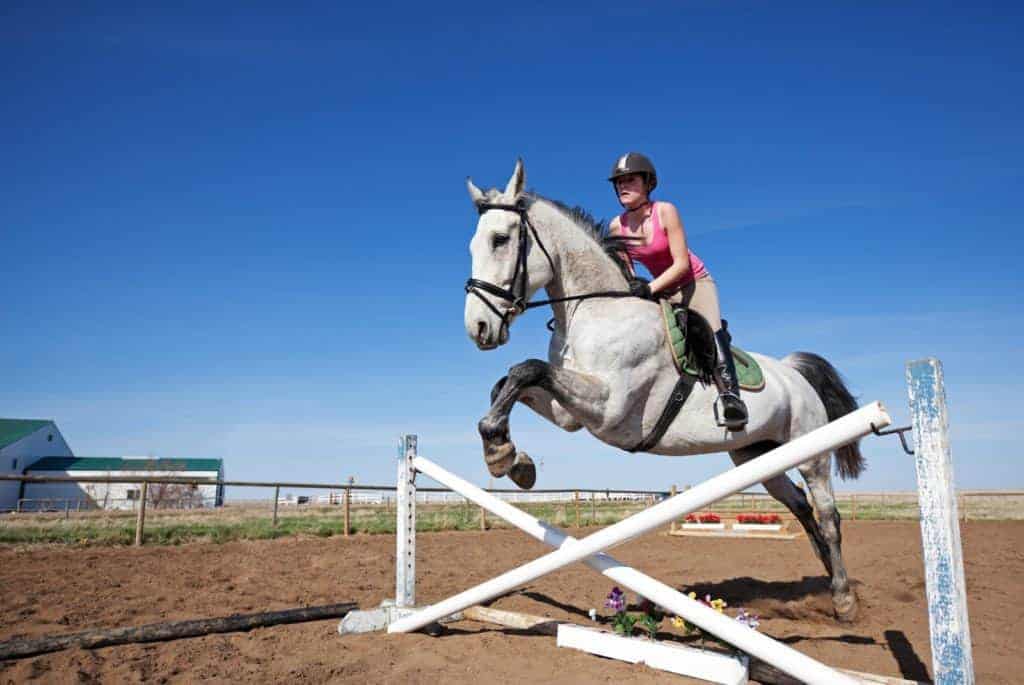
In a long-term study, researchers showed that 92.5% of horses discharged had returned to work four to eight years after surgery.

A complete, thorough, and timely work-up of the horse has the greatest effect on successfully treating colic.

Equine metabolic syndrome can cause obesity, insulin resistance, and laminitis. Find out how to care for your EMS horse during our live event.

Learn whether your horse is at risk and if you should be vaccinating for this “new” disease.

Digestive system and cardiovascular system problems were the most common causes of death in the study population.
Confirmed diseases include equine herpesvirus, West Nile virus, African horse sickness, strangles, influenza, and more.

Many respondents said they’d have to consider the possible outcomes before sending a horse to colic surgery.
Read the top tweets and take-homes from Rood & Riddle Equine Hospital’s client education seminar.

Dr. Rob MacKay recaps studies on heparin for EHM prevention, liver failure caused by supplements, headshaking, and more.
Dr.Rob MacKay recaps studies on heparin for EHM prevention, liver failure caused by a supplement, gastric ulcers, and more.

The probiotic researchers tested had “disappointing” results, but not all studies have yielded negative results.

An owner with a colicky horse is worried that grain could be the culprit and wants to know how much to feed.