102 Reasons to Vaccinate Horses Against Hendra Virus
Since 1994, when the virus was first identified, 102 Australian horses have died or been euthanized due to Hendra virus.

Since 1994, when the virus was first identified, 102 Australian horses have died or been euthanized due to Hendra virus.

Veterinarians have confirmed nearly 30 cases so far this year and expect to see more.

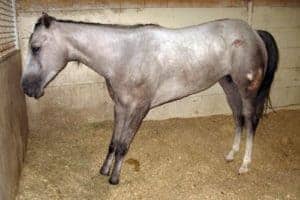
The unvaccinated 12-year-old Welsh Pony mare was euthanized and tested positive for Hendra on Aug. 6.

Researchers tested a vaccine created with “reverse genetics” with positive results.
Animal health officials say vaccination is the most effective way of reducing the risk of Hendra infection in horses.

From 1995 to 2014, the OIE received reports of 54 disease events associated with international horse movement.
Confirmed diseases include influenza, EHV, strangles, nocardioform placentitis, piroplasmosis, EIA, and more.

Find tips on managing and preventing a “perfect storm” of infectious disease spread at horse competition facilities.
The 11-year-old unvaccinated gelding has been euthanized.

Bornaviruses are known to cause a lethal form of encephalitis, called borna disease, in horses and sheep.
The new test takes just four hours to complete. Previous tests took up to two weeks.
One horse in the Gold Coast Hinterland area was euthanized on the property after rapid deterioration.

Causes of collapse in apparently healthy horses range from sleep deprivation and pain to muscle disorders and pregnancy.

Learn the latest on diseases horses can get from ticks and why they continue to frustrate veterinarians and researchers.
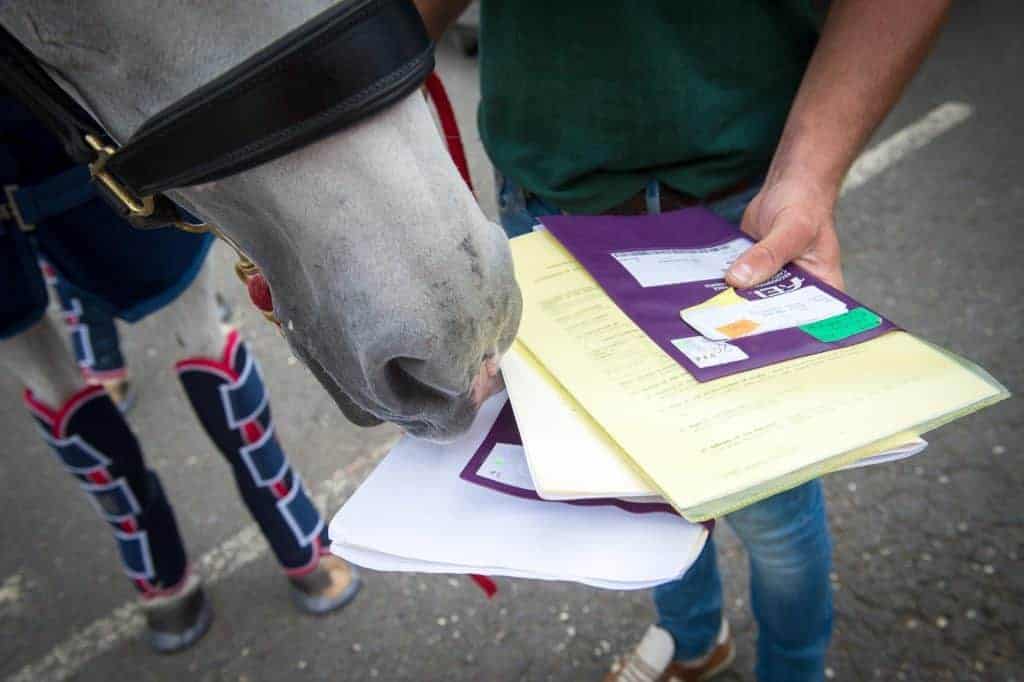
The OIE has described management “pillars” to keep most diseases at bay for high-health, high-performance horses.

The mainstays of biosecurity still center around good hygiene, diagnostics, quarantine, isolation, and traffic control.