Washington Animal Health Officials Confirm EHV-1 in King County
The EHV-1-positive horse has been placed in isolation and the facility has been quarantined.

The EHV-1-positive horse has been placed in isolation and the facility has been quarantined.

The affected 19-year-old Quarter Horse mare belongs to a college rodeo participant and recently traveled to events in the Great Plains Region.

The horse diagnosed with EHM attended high school rodeos in Laramie on April 7 and 8 and Rock Springs on April 14 and 15.
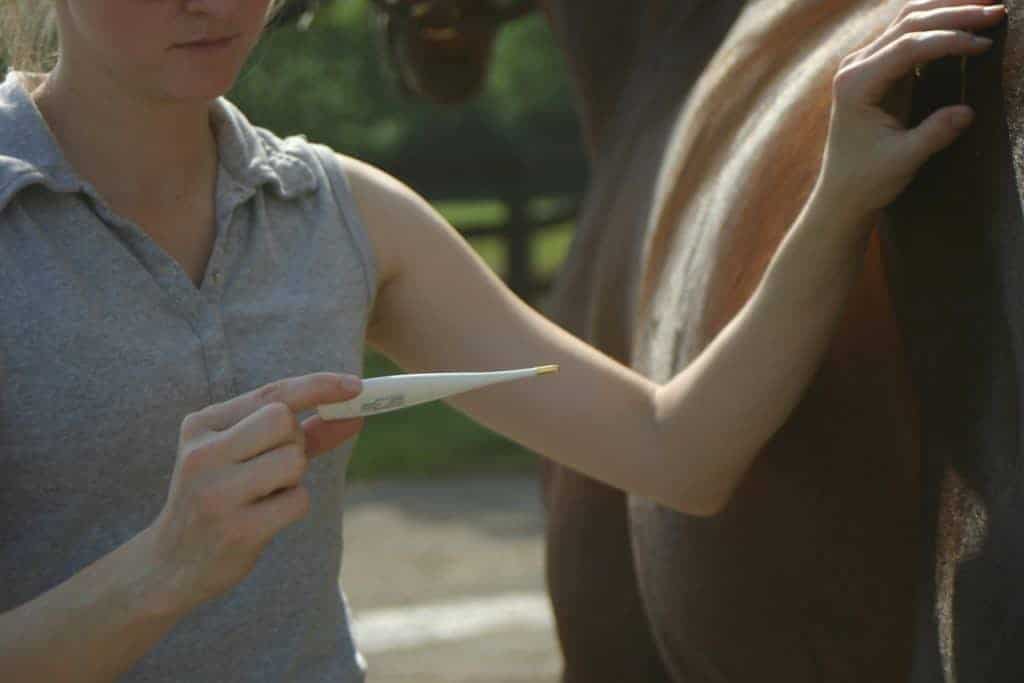
The horse was euthanized due to a suspected case of rabies but was later confirmed positive for equine herpesvirus myeloencephalopathy (EHM), the neurologic form of EHV-1.

Most EIA testing is done on a voluntary basis–owners aren’t necessarily required to test every horse at set intervals–making it very difficult to know the disease’s true prevalence, one researcher says.

A barrel racing horse developed rapidly progressive signs of EHM (the neuorlogic form of EHV-1) on April 19 and was euthanized the same day.

Veterinary treatments for horses can be costly, so researchers evaluated the value an owner places on a horse’s daily use and how much owners are willingness to pay for various therapeutics.

The affected horse from Weld County is undergoing veterinary treatment and recovering.
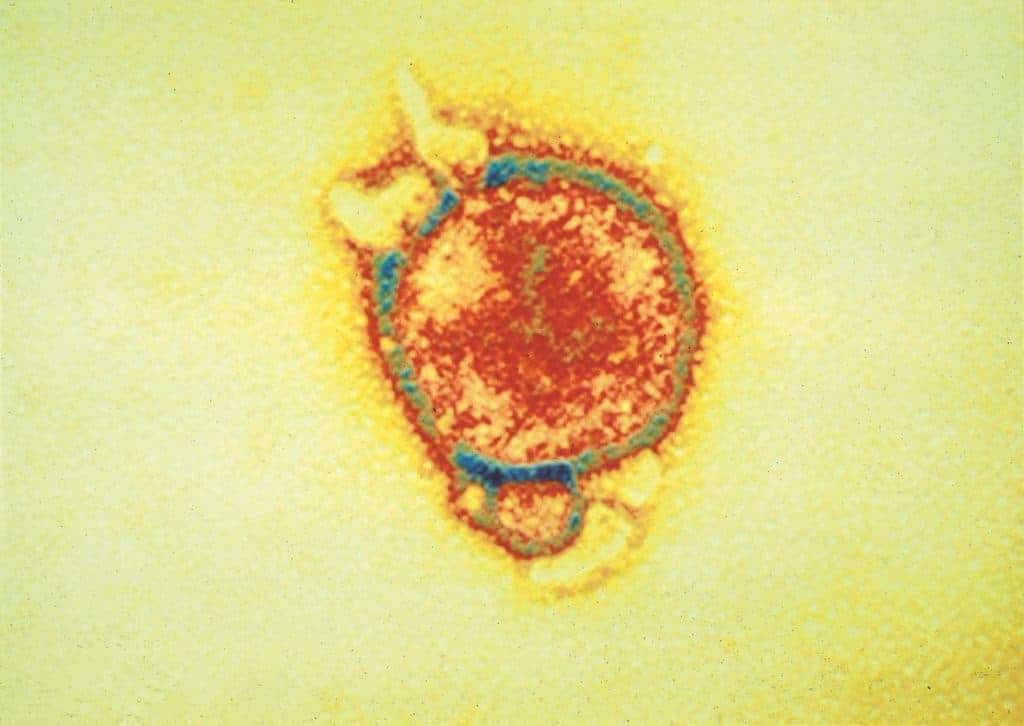
Under Australian law, a vet treating an animal is responsible for the health and safety of all people present. While some horse owners were receptive to vets’ safety directives regarding Hendra virus-related risks to animal and human health, others weren’t.
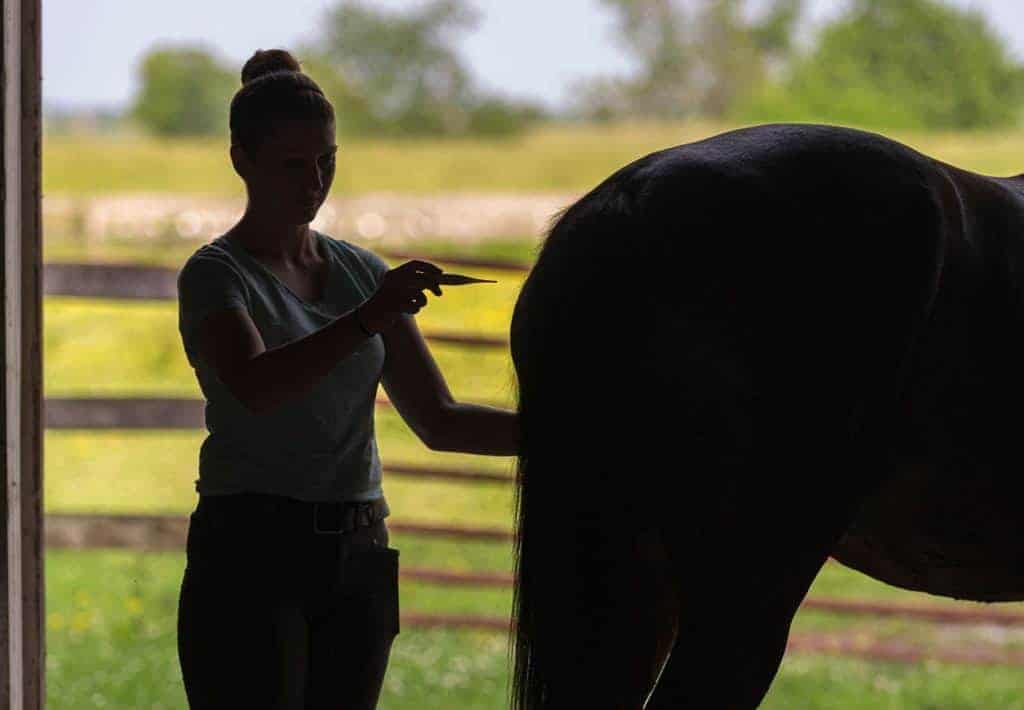
The horse that tested positive for EHV-1 has traveled extensively in South Dakota for cutting and sorting events in the past few weeks.
Officials confirmed cases of equine influenza, EHV, equine infectious anemia, and other equine infectious disease outbreaks.

A horse’s sinus cavities are complex, which makes diagnosing and managing equine sinus diseases challenging for veterinarians.
The EHM-positive 5-year-old Standardbred gelding from Washtenaw County developed acute neurologic signs and is isolated and under veterinary care, officials said.
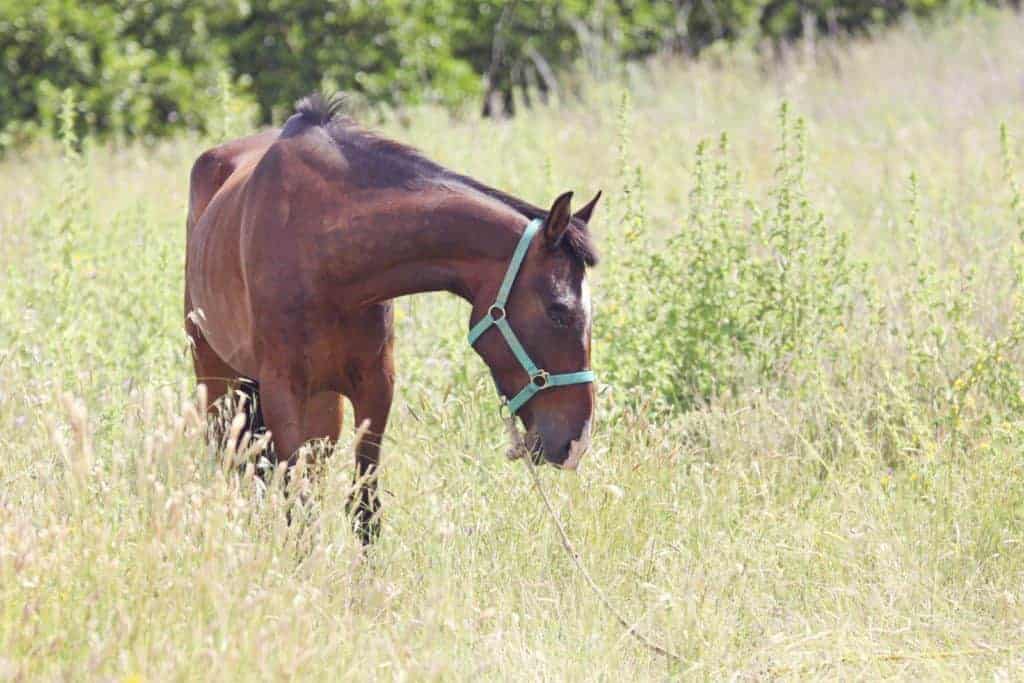
Horses with myositis experience rapid, widespread gluteal and epaxial muscle atrophy. Here’s what veterinarians know about about this immune-mediated condition.

Draft horses, horses from the Midwest, and those used for farming and ranching or breeding are most at-risk of contracting coronavirus, researchers found.

Use this four-step plan to keep equine infectious diseases in check.