Feeding Metabolic Horses
Learn what, when, and how to feed horses with metabolic issues such as EMS, ID, and PPID.

Learn what, when, and how to feed horses with metabolic issues such as EMS, ID, and PPID.

An equine nutritionist explains her approach for a group of horses needing a low-sugar diet that still spend time on pasture.
Find out which horses and ponies might be at higher risk of developing metabolic problems, such as PPID and EMS.

Researchers review what a PPID diagnosis could mean for older horses’ long-term health.

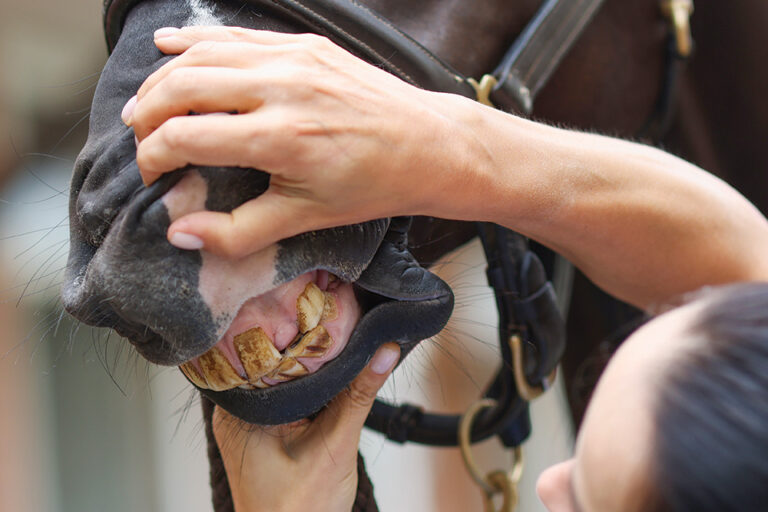
An equine nutritionist explains how to address common nutrition challenges when feeding horses with the dental condition EOTRH, before and after surgery.

Are you and your horse ready for spring? Check off all the items on this list to prepare for a healthy, successful riding season.

Learn why dental and digestive problems in geriatric horses often go hand in hand and what you can do to help your horse thrive in his golden years.

Read about the do’s and don’ts of feeding horses that have 4 common health conditions, including gastric ulcers, metabolic disorders, and more.

Here’s what might be on your senior horse’s wish list this year.

Find out what might happen if your horse eats that wreath hanging on his stall door.

Following the sudden loss of her horse as a result of an aortic rupture, our editorial director offers insights for navigating the shock, grief, and decisions that follow.

Here’s how to choose a high-quality ration balancer for your mule that provides essential nutrients without supplying additional calories.

Equine grass sickness is frequently fatal. Here’s what researchers know about this complex disease.

Can horses lose weight too fast? Does exercise or dietary restriction work better for equine weight loss? Two experts answer these questions and more.
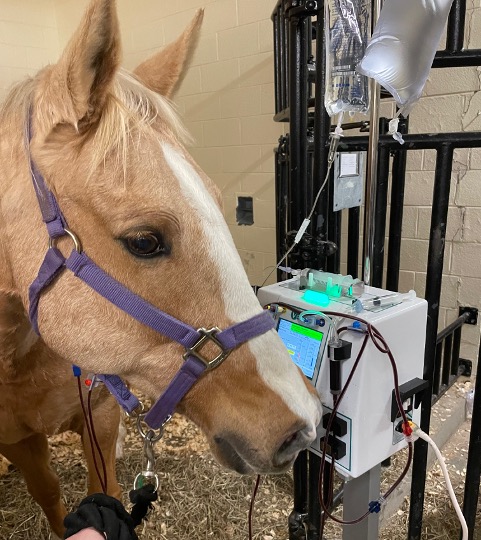
Hemoperfusion—filtering blood through a column to remove toxins—shows promise for managing sepsis in horses with pleuropneumonia, endotoxemia, and more.

Learn how horses go from metabolic to laminitic and ways to manage them.