Endocrine Disease and Performance Horses—More Than Laminitis
Learn the latest on equine endocrine disease—causes, diagnosis, dynamic testing, and whole-horse treatment strategies—beyond just laminitis. Sponsored by Kentucky Performance Products.

Learn the latest on equine endocrine disease—causes, diagnosis, dynamic testing, and whole-horse treatment strategies—beyond just laminitis. Sponsored by Kentucky Performance Products.

During the 2024 AAEP Kester News Hour experts shared new research on equine genetics, atrial fibrillation detection, neck pain, and updated EHV guidelines.

The latest research-based recommendations on managing equine metabolic syndrome and insulin dysregulation. Sponsored by Equithrive.

Horses with EMS are often overweight or obese and also at an increased risk of developing laminitis. Implement these 5 strategies to manage your EMS horse more effectively.

Find out which horses and ponies have a higher genetic risk for EMS and how to manage them.

Overweight horses and some breeds are predisposed to metabolic problems. Here’s how to feed horses with ID and calculate if your horse’s meal has a safe level of NSCs.

Although horses have long been exposed to the virus, its rare detection in a Pennsylvania horse is not currently a reason for concern.

Learn about this life-threatening condition that occurs when Gram-negative bacteria or parts of their walls access a horse’s blood.

Researchers say this method of extracting horses’ cheek teeth could reduce complications during and after surgery when traditional extraction methods fail.

What could cause a horse to develop equine odontoclastic tooth resorption and hypercementosis (EOTRH)?

Emerging technologies are giving veterinarians the tools they need to best address dental disease in horses.

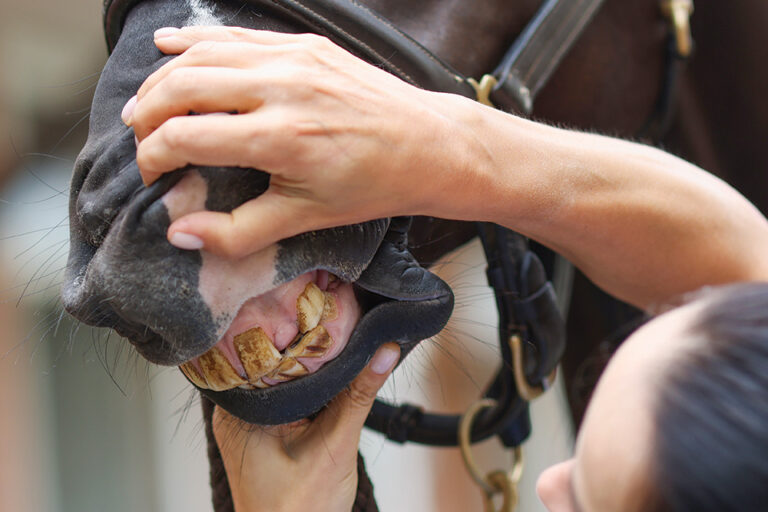
Dental pain can often be mistaken for behavior problems, so it is important for owners to understand the signs of dental pain and disease.

Researchers have identified several benefits to this method for removing teeth in horses, such as reducing postoperative complications.
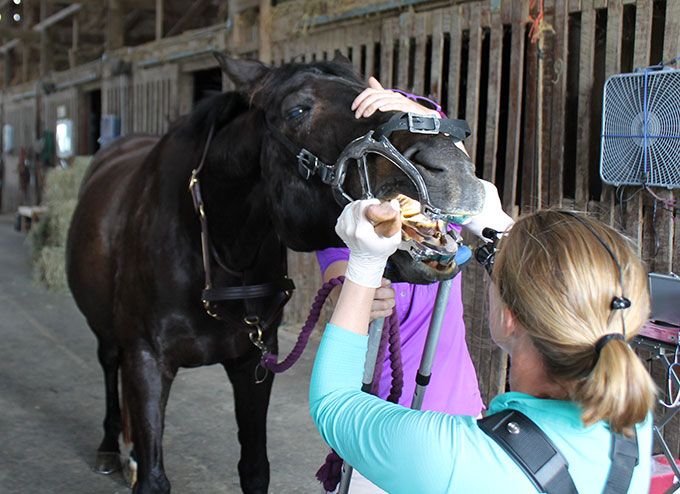
Your veterinarian needs a good look into your horse’s deep, dark mouth to perform a thorough dental exam. The answer? Proper sedation.

When your older horse’s pearly whites are past their prime, keep an eye out for signs of specific problems.
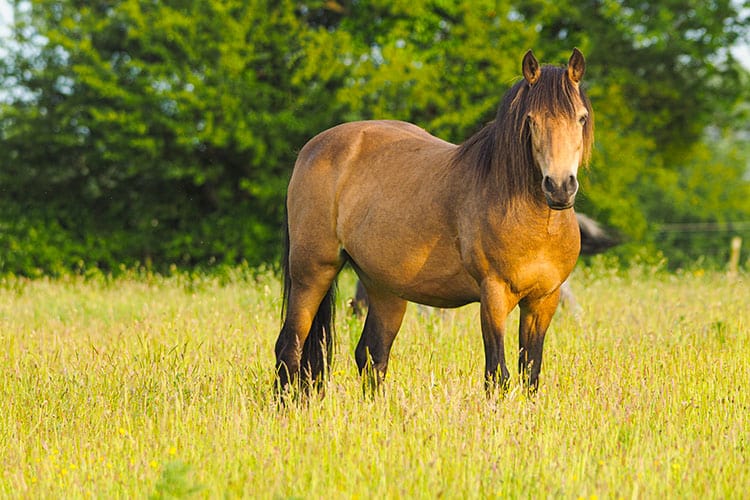
Here are some tips for promoting nonworking horses’ optimal health (and preventing potential problems) with nutrition.