Hay Nets, Horse Body Weight, Body Condition, and Dental Health
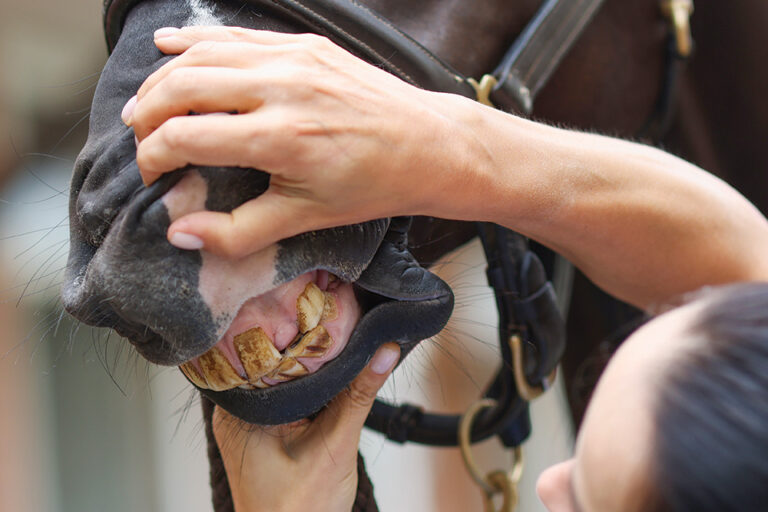
Can hay nets affect a horse’s weight or body condition score? Do they damage equine teeth? Researchers answer these questions and more.

Can hay nets affect a horse’s weight or body condition score? Do they damage equine teeth? Researchers answer these questions and more.

A nutritionist describes how you can protect your horse from this highly toxic antibiotic typically found in cattle feed.

Horses can consume hay pellets or cubes rapidly. How can we slow them down to increase their time spent chewing?

Find out how you can keep your metabolically efficient horse healthy when he’s laid up with an injury or chronic illness.

Is one grass hay variety more palatable than another? Should I feed my horse the first or second cutting of hay? Equine nutritionists answer these questions and more.

An equine nutritionist describes how to promote weight loss in horses that cannot be ridden.

Dr. Frank Andrews describes how you can reduce your horse’s risk of hindgut ulcers while helping him safely lose weight.

A nutritionist answers questions about the nutritional needs of older equids, covering topics such as senior feeds, metabolic disease, and helping horses gain weight.

After years of speculating that colic occurs more frequently in horses that crib, researchers have finally provided consistent data confirming this association.

Find out what conditions, beyond lameness, a veterinarian might uncover during a prepurchase exam.

Learn about 10 common plants, chemicals, organisms, and toxins your horse should never eat.
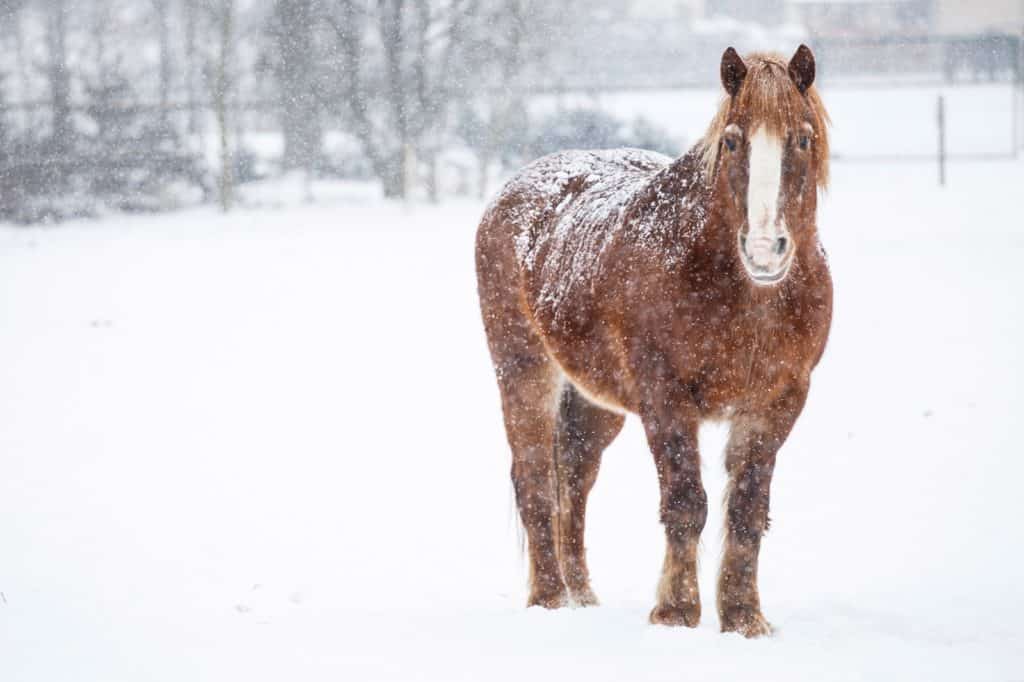
Cold weather affects older horses more than it does their younger companions. Learn how to keep your senior comfortable and healthy during cold weather.

Researchers have learned more about equine dental-derived stem cells and potential ways these agents could help treat equine dental conditions.

How veterinarians are applying computed tomography in equine medicine and what they’re learning about its use.

Learn about devices designed to measure equine athletes’ cardiac function and maximize performance.

Dr. Howland Mansfield describes signs a horse is ready to retire from riding, ranging from mild work intolerance to lameness.