What are aflatoxins, how do they end up in livestock feed, and are they dangerous to horses? Our equine nutritionist explains.

The affected horse has not left the premises for more than three weeks and was isolated immediately when clinical signs developed. The horse remains quarantined and is reportedly recovering.
Equine coronavirus’ main signs are subtle and nonspecific—anorexia, lethargy, and fever. And while it doesn’t consistently cause gastrointestinal signs such as colic or diarrhea, researchers have learned that affected horses’ feces are the most reliable sample to test.

The Arizona Department of Agriculture has confirmed three additional cases of EHV-1 in Maricopa County.

The affected horse has been euthanized, and state officials are testing additional horses stabled with or that live near the index case.
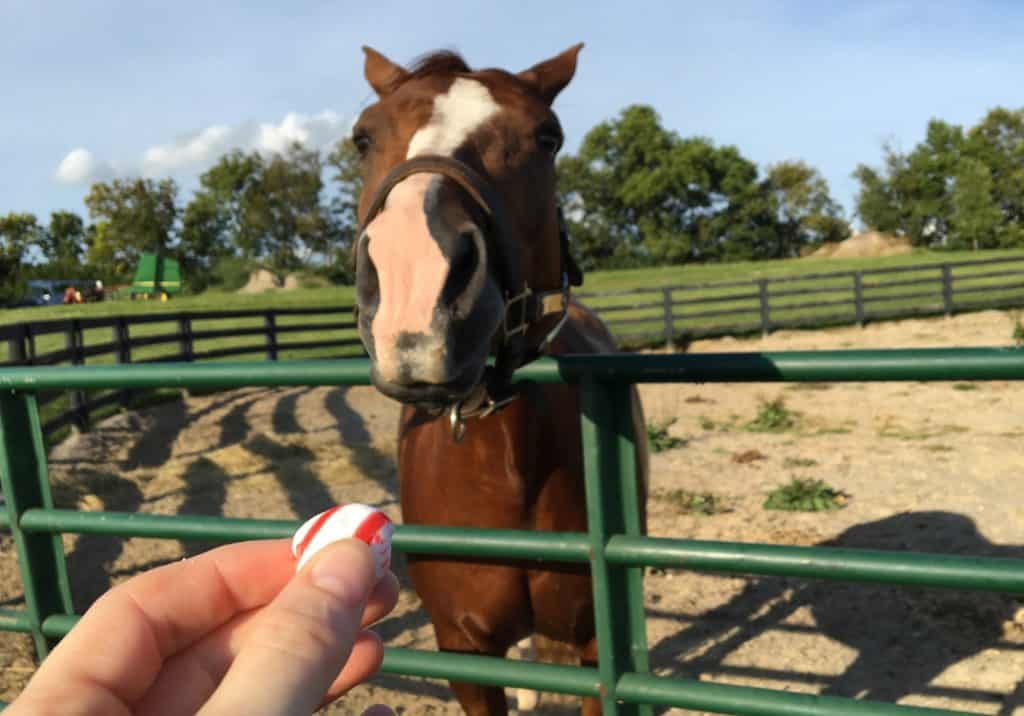
Will giving my horse peppermints offset the hard work we’re doing to help her lose weight?

Two Quarter Horse geldings exhibited neurologic signs before testing positive for EHV-1 on May 7.

When a horse spikes a fever without the nasal discharge and other respiratory signs you’d expect to see with an infectious disease, the potential causes could be vast. In some parts of the country, a tick-borne disease could be a culprit.

Some horses with neuromuscular disease could have a protozoan parasite Sarcocystis fayeri in their skeletal muscles, researchers learned.
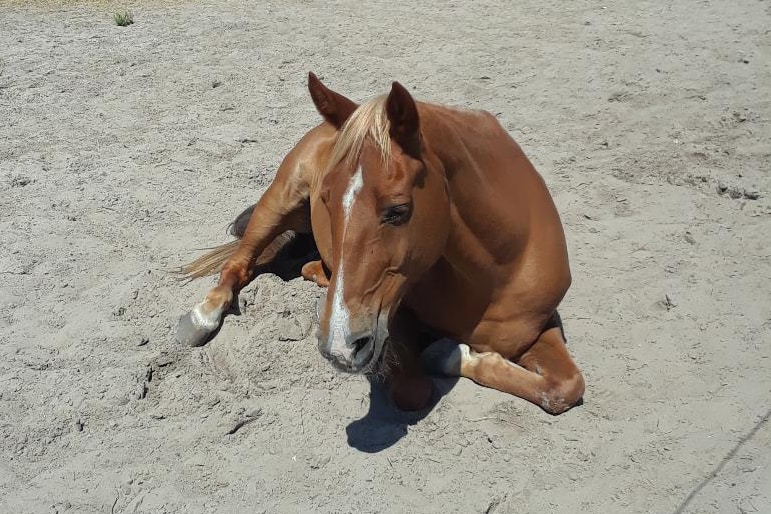
Journalist Pat Raia has written about horse health and welfare issues for years, but she learned it’s a whole different ballgame when your own horse is the patient. Here’s what she experienced when her horse colicked recently.
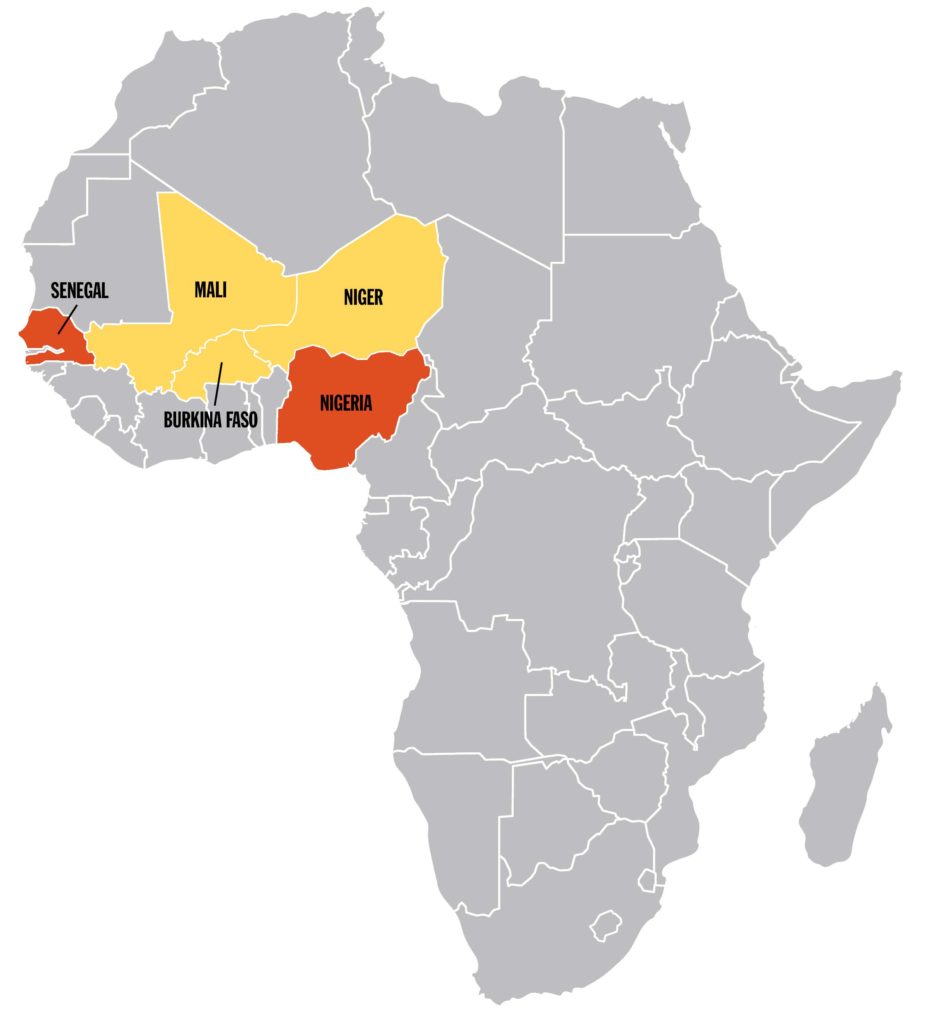
Official disease notification from Senegal and Nigeria indicate more than 40,000 cases have resulted in more than 3,000 equid deaths since mid-December.

Cargill is voluntarily recalling Southern States Triple 10 horse feed and other select livestock feeds due to elevated aflatoxin levels.

The affected undervaccinated 8-year-old Quarter Horse stallion developed clinical signs on April 24 and was euthanized due to a poor prognosis.

Apples are a token equine treat, but could they be toxic? While it’s unlikely, our nutritionist still says to use caution when feeding fruits to horses.
Four of the six EHV-positive horses showed respiratory signs of disease (three of which have died) and two are showing neurologic signs.