Sun Protection for Horses
A veterinarian offers tips on sun protection for horses with pink skin from sunburn and photosensitivity during the summer months.

A veterinarian offers tips on sun protection for horses with pink skin from sunburn and photosensitivity during the summer months.

The Horse: Your Guide to Equine Health Care/TheHorse.com and the EPM Society have formed a media partnership designed to help horse owners care for horses with equine protozoal myeloencephalitis.

Researchers found that while any of the three tested qPCR diagnostic approaches can be effective in diagnosing true strangles cases, one stood out.

With routine blood work and a strategic supplementation protocol, you can help your horse avoid the negative consequences associated with vitamin E deficiency. Here’s how.
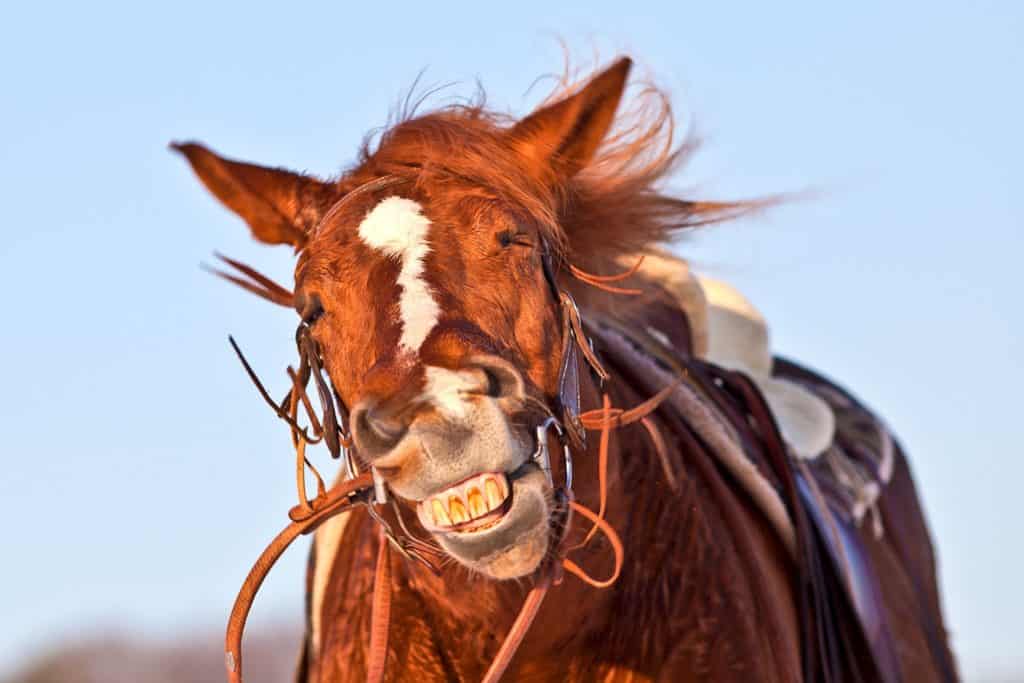
Some severe headshaking cases that are resistant to existing treatments and can significantly compromise a horse’s quality of life. But researchers have recently determined that a supplementation regimen could help.

The EHV-1-positive horse died in quarantine due to an unrelated medical issue, not EHM (which develops when EHV affects the central nervous system), the Pennsylvania Department of Agriculture said.

Laminitis is one of the most common diseases in horses, and it has many different causes. Find answers to listener questions on endocrine-related laminitis in horses with conditions such as PPID, equine metabolic syndrome, and insulin resistance. Sponsored by InsulinWise.

Researchers found that the only factor associated with a decreased risk of squamous cell carcinoma (or SCC, the most common ocular tumor in horses) recurrence was use of a fly mask with 90% or more UV light protection.

Researchers aren’t sure why insulin dysregulation causes laminitis, but they do have some clues. Dr. Teresa Burns explains.

Dr. Teresa Burns describes what laminitis is and its relationship to endocrine diseases such as insulin resistance, equine metabolic syndrome, and PPID.

Thus far, 22 racing Quarter Horses residing at five locations in Bedford, Rutherford, and Williamson counties have tested positive for piroplasmosis.


What are aflatoxins, how do they end up in livestock feed, and are they dangerous to horses? Our equine nutritionist explains.

The affected horse has not left the premises for more than three weeks and was isolated immediately when clinical signs developed. The horse remains quarantined and is reportedly recovering.
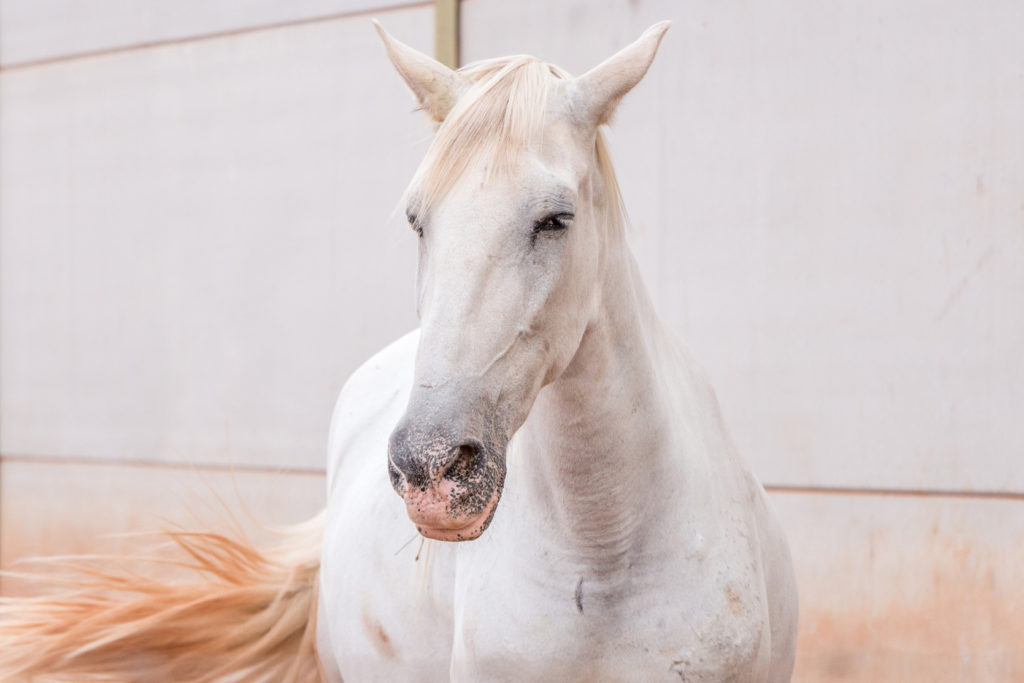
Equine coronavirus’ main signs are subtle and nonspecific—anorexia, lethargy, and fever. And while it doesn’t consistently cause gastrointestinal signs such as colic or diarrhea, researchers have learned that affected horses’ feces are the most reliable sample to test.

The Arizona Department of Agriculture has confirmed three additional cases of EHV-1 in Maricopa County.