Do Elite Show Jumpers Get the Nutrition They Need?
Dr. Shannon Pratt-Phillips surveyed elite show jumper owners/managers about their horse’s diets. Here’s what she found.

Dr. Shannon Pratt-Phillips surveyed elite show jumper owners/managers about their horse’s diets. Here’s what she found.

None of the 26 study horses suffered nephrosplenic entrapment recurrence following surgery.
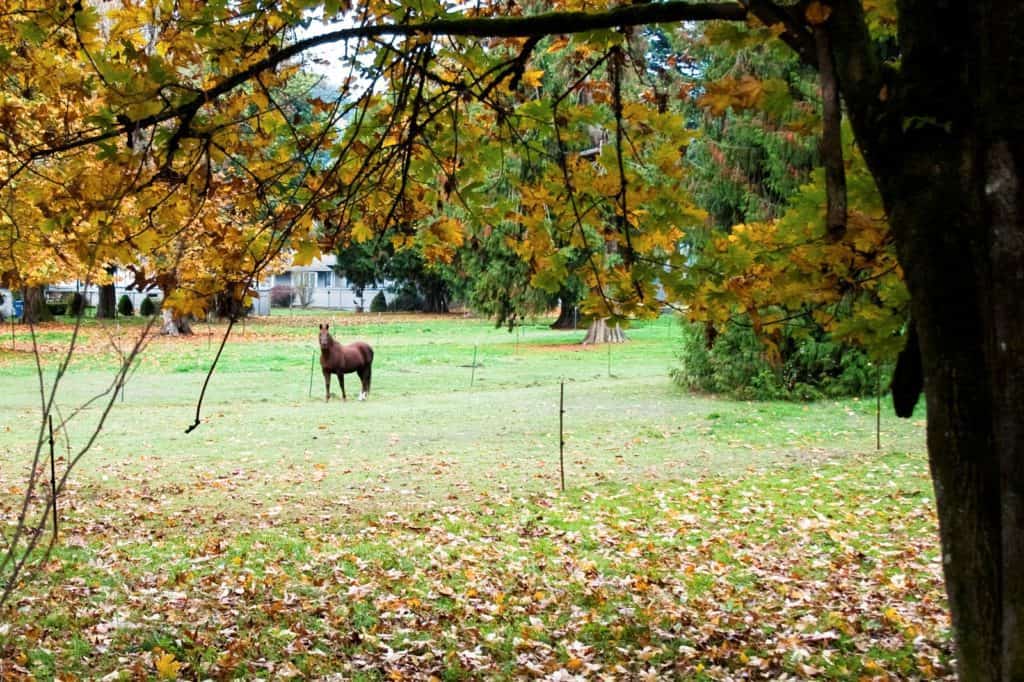
Hypoglycin A is the toxin behind the potentially deadly muscular disease atypical myopathy.

The affected 18-month-old Quarter Horse died on April 4.

Sun damage is serious in horses. In this infographic, find how to protect you pink-skinned horses from the sun.

Racing performance was unaltered regardless of which technique was used to correct soft palate displacement.
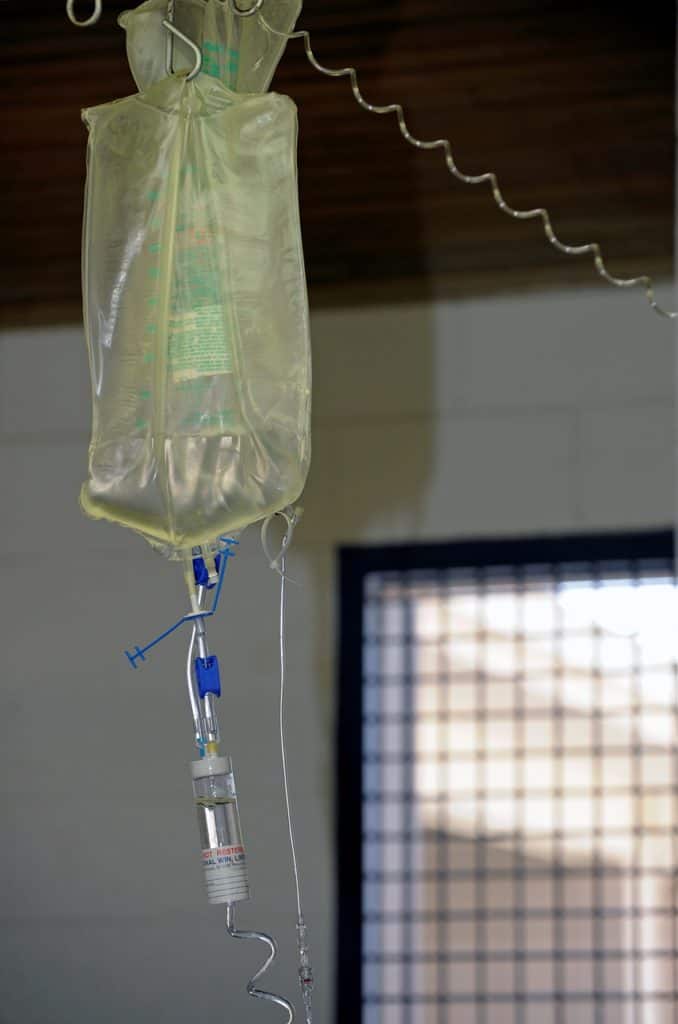
Researchers found that many horses recovering from colic surgery probably don’t require as much water as once thought.

Certain strains of fungi found in moldy fodder can cause serious problems in both horses and handlers, scientists found.
Research topics include musculoskeletal and respiratory issues, parasites on stud farms, early pregnancy loss, and more.
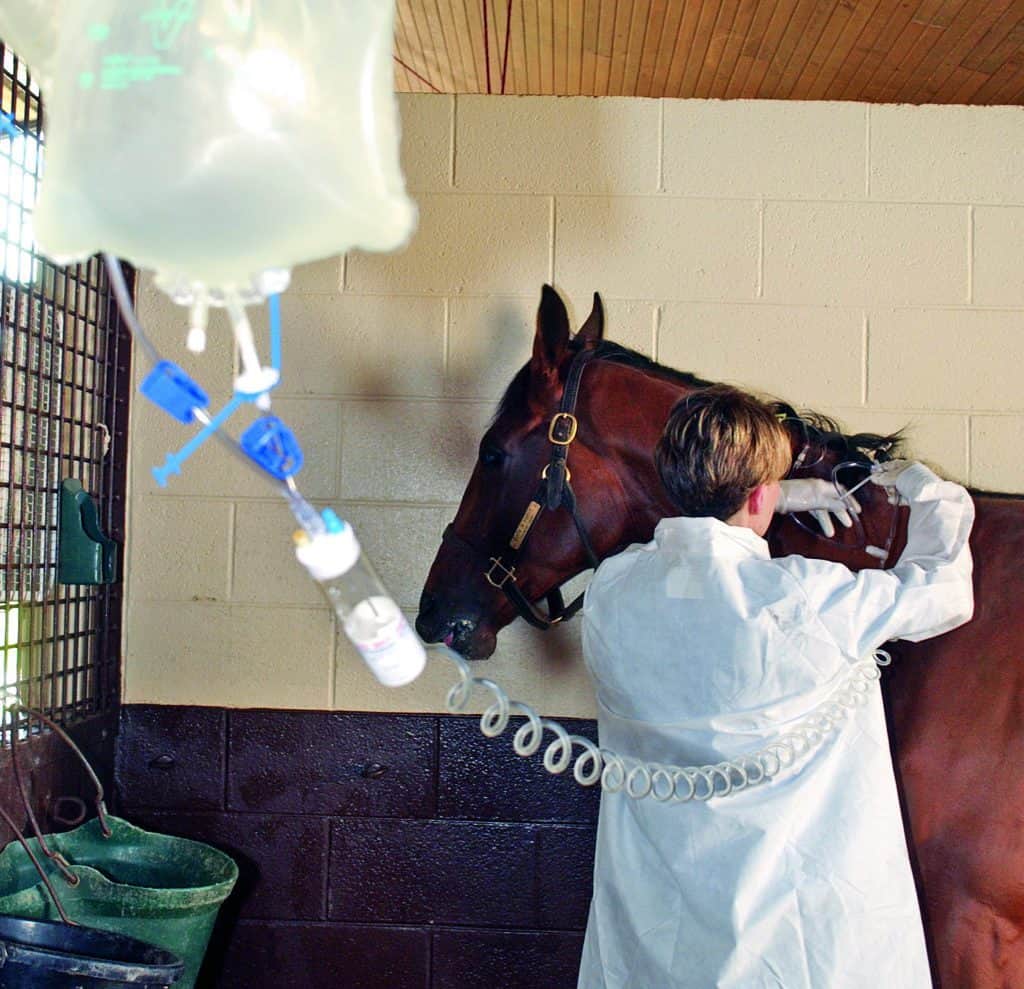
Researchers found that bloody nasal discharge was common in horses with Klebsiella pneumonia.

Post-mortem exams are crucial to determine what caused the abortion. Here’s what your veterinarian will look for.

Some trees can kill horses, and horses can kill trees. Here’s what you need to know.

The rare condition–primary hypothyroidism–in mares could be behind a potentially deadly foal problem called CHDS.

Selective breeding could lead to horses more tailored for endurance and improve welfare and performance, scientists say.
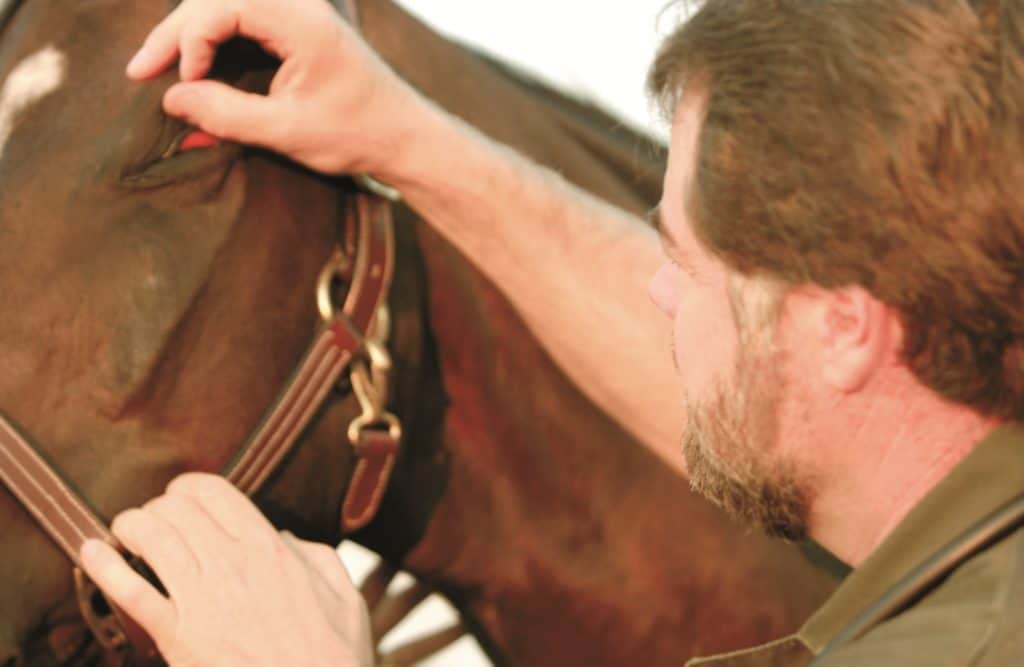
Researchers believe pathogenic forms of Leptospira bacteria are associated with more than 60% of ERU cases.

Survival rates were high, and a surgical procedure could help prevent recurrence of this type of colic.