Do Muzzles Slow Horses’ Pelleted Feed Intake?
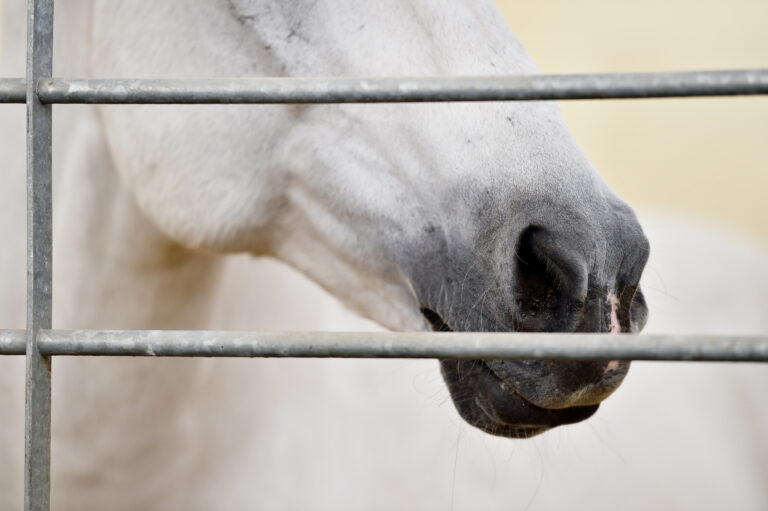
Wearing a grazing muzzle during feeding is a simple, effective intervention for horses prone to choke, scientists found.

Wearing a grazing muzzle during feeding is a simple, effective intervention for horses prone to choke, scientists found.
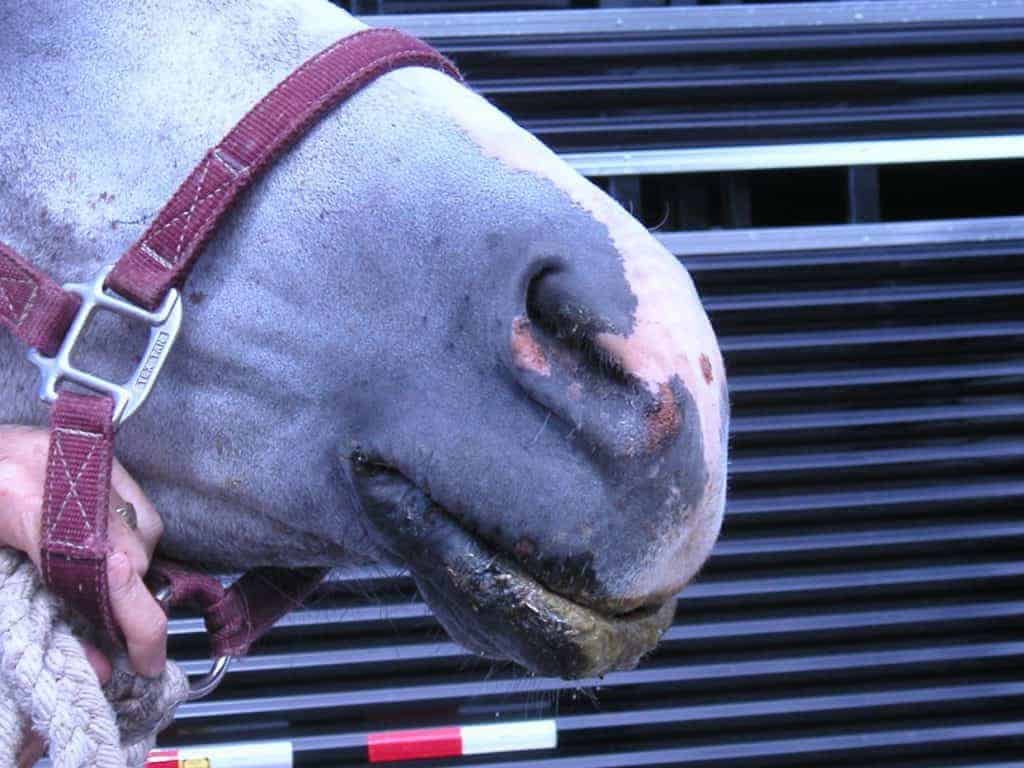
While the disease has affected Colorado horses, the remaining quarantines only impact cattle herds, officials said.

Most affected horses die or are euthanized within months of developing clinical signs. Here’s what you should know.
In 2014 a horse in that country tested positive for glanders, which initiated a discussion about testing methods.

Don’t get caught unaware. Ingesting just a handful of these beetles could kill your horse within 72 hours.
Confirmed diseases include vesicular stomatitis, herpesvirus, influenza, Getah virus, and strangles, among others.

Learn about donkeys, leptospirosis, West Nile virus, influenza, preparing for disasters, and working equids.
Emerging virus or incidental bystander? Dr. Nicola Pusterla of UC Davis shares insight into this infectious disease.

The affected horses were either unvaccinated or were not up-to-date on their vaccinations.

The researchers are conducting a clinical trial on equine recurrent uveitis in Appaloosas.

Readers learned about a variety of topics from sweat marks under saddles and laminitis to beet pulp and hoof cracks.
Researchers recently diagnosed the first homozygous case of Warmblood fragile foal syndrome (WFFS), a genetic disorder.
The group says it will use the input received to formulate recommendations for EIA control.

Monday’s 6 a.m. Sunrise Session on uveitis came a little early for our sleep-starved veterinary reporter.

From vets stuck in city traffic to vexing ventilation issues, urban-dwelling horse owners deal with unique challenges.
Tweets and take-homes from sessions on mature performance horse health, field surgery, heaves, lameness, and more.