Top Equine Medicine Studies of 2013
Carol Clark, DVM, Dipl. ACVIM, shares her picks for the top equine medicine studies of 2013.

Carol Clark, DVM, Dipl. ACVIM, shares her picks for the top equine medicine studies of 2013.
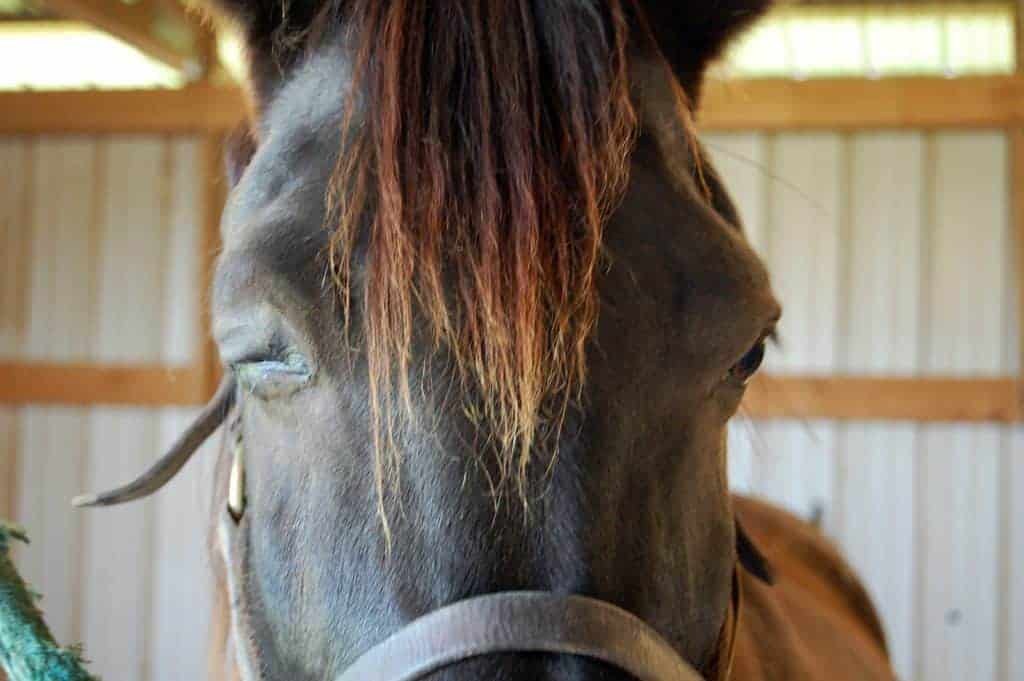
Corneal confocal microscopy can help veterinarians identify microscopic foreign objects in horses’ eyes.

Vets have made great strides in EMS diagnosis and management, but there’s still much work to be done.
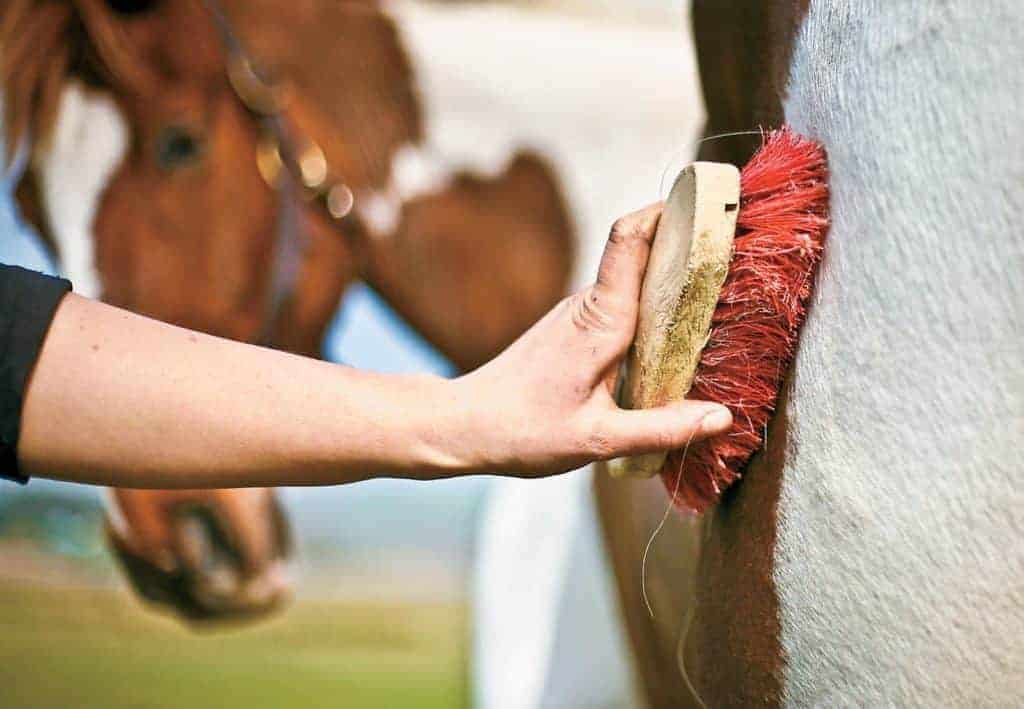
Practicing good hygiene and reducing environmental risk factors can help keep a horse from getting rain rot.

Learn about St Nicholas Abbey’s battle with a fracture that was ultimately ended by a severe bout of colic.
The 12-year-old Westphalian gelding was euthanized Jan. 18 in Florida following two colic surgeries.
Lecture topics will include exercise intolerance, wound care, hoof care, ophthalmology, and more.

Vets can image the cecal mesentery to garner information that could lead to a lymphadenopathy diagnosis.

Genomic research suggests that horses could also be susceptible to rotavirus from both cows and pigs.
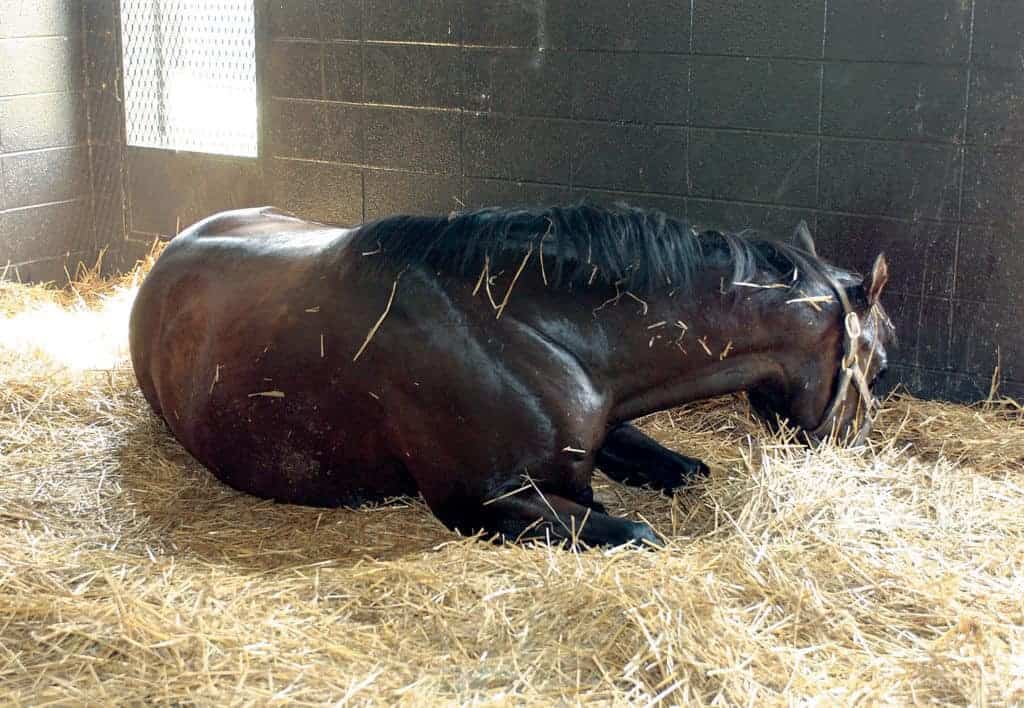
One study showed that equine colic has an estimated prevalence of 4.2 events per 100 horses per year.

Dr. Martha Mallicote of the University of Florida shares information about melanomas, including the prevalence of these cancer tumors in gray horses and specific horse breeds.
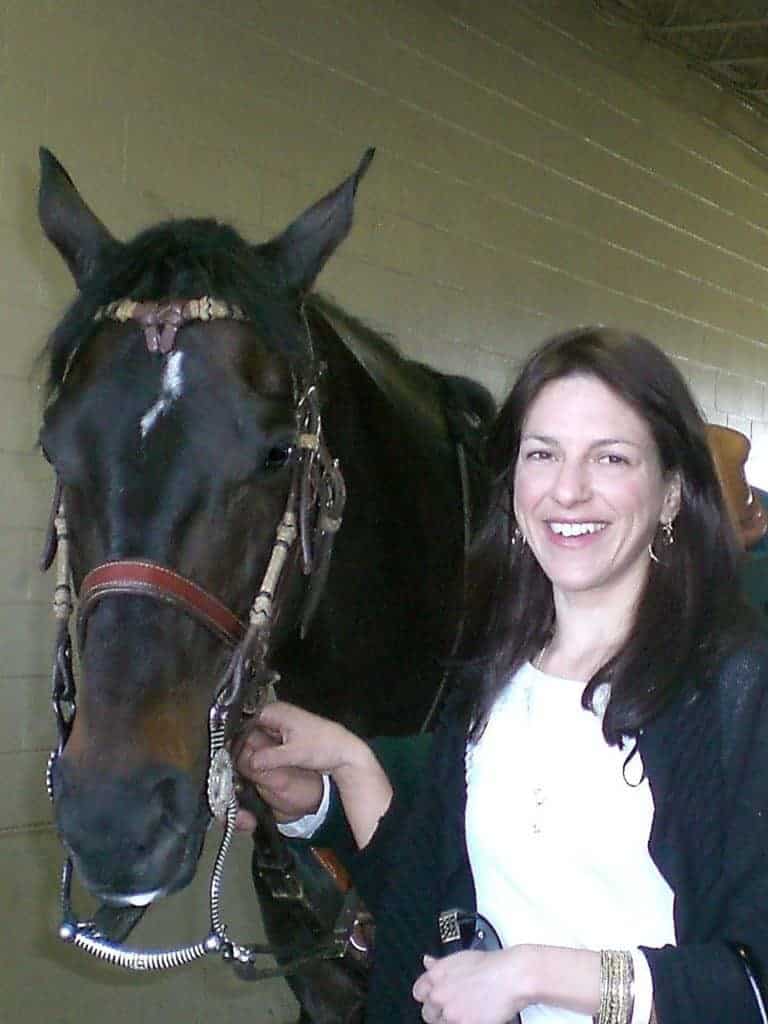
De Negri’s research focused on infections in horses caused by S. equi and S. zooepidemicus.
Researchers are observing an increasing trend of positive cases submitted in 2013 as compared to recent years.

Caring for draft horses involves both physiological and logistical challenges.

EOTRH is a painful, recently identified condition that primarily affects horses’ incisors and canine teeth.

Understanding the horse’s digestion process can help you better manage factors that could cause colic.