AAEP Veterinarians Discuss Equine Eye Topics
Attendees discussed fungal keratitis, ocular medications, and equine recurrent uveitis.

Attendees discussed fungal keratitis, ocular medications, and equine recurrent uveitis.
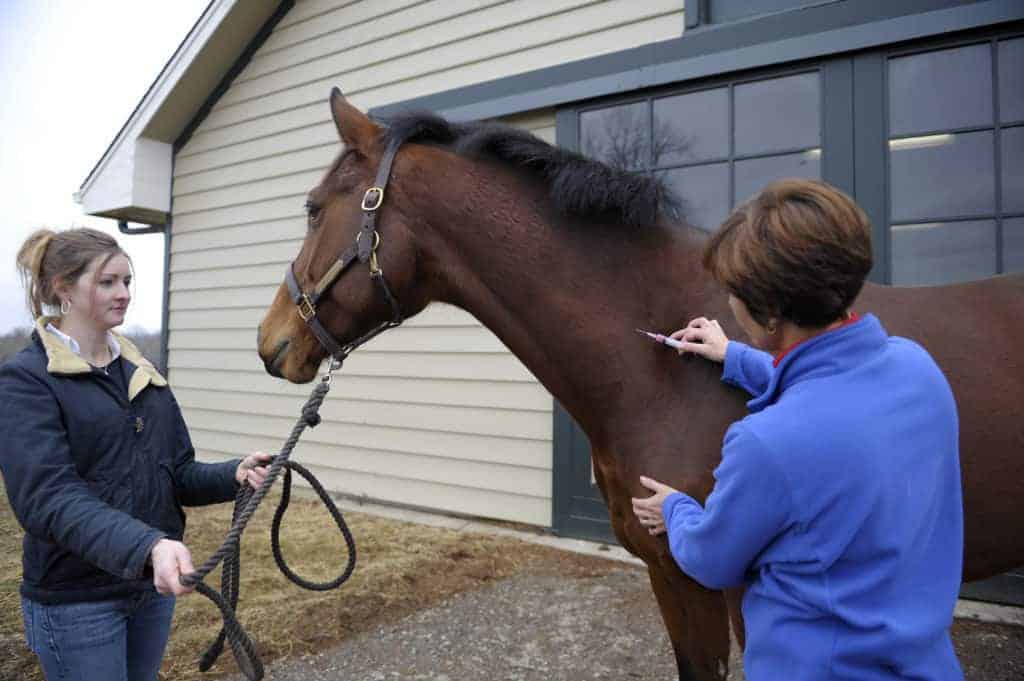
Kentucky officials reported 12 cases of WNV and two EEE cases in horses in 2013.
ERAV can cause upper and lower airway respiratory disease in horses.
Have you ever wondered how your horse sees the world, or how you should respond to an equine eye emergency? Get your equine eye and vision questions answered by a board-certified veterinary ophthalmologist.

Learn how to evaluate risk and protect your horse from infectious disease at event facilities.

Champion Irish racehorse St Nicholas Abbey died the morning of Jan. 14 due to complications from colic.
This rare, chronic wasting disease is characterized by development of granulomas in numerous organs.

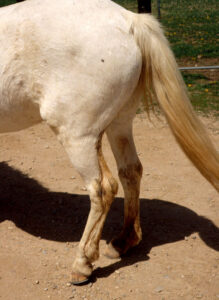
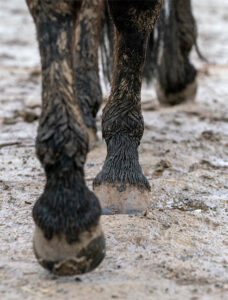
Horses in excessively wet or muddy environments are at greater risk of getting scratches.
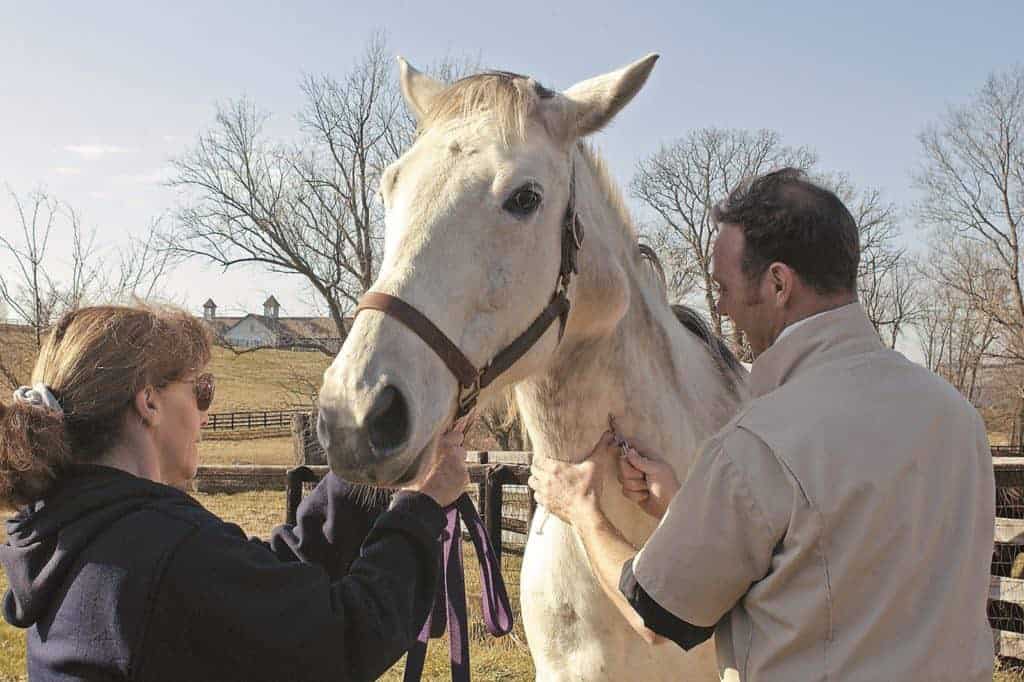
When in their early stages, melanomas are small and can seem insignificant, but many are extremely invasive.

Tailored hoof care and husbandry practices could help affected horses return to health.
Trypanosomiasis in horses can cause incoordination and hind limb paralysis, among other issues.

Dr. Lisa Fortier shares her picks for the top equine surgery- and lameness-related studies of 2013.
Famed reining horse and sire Great Resolve, known as Einstein, died Jan. 2 due to colic surgery complications.

Dr. Nicola Pusterla shares what horse owners need to know about EHV, its clinical signs, and treatment and prevention methods.
Laughing is a finalist for the 2013 Eclipse Award as the nation’s outstanding female turf performer.

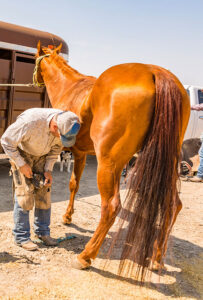
One farrier developed a program for rehabilitating horses recovering from EMS-associated laminitis.