The Basics of Botulism in Horses
Dr. Amy Johnson answers questions about Botulism in horses, where it is prevalent, and the different ways that horses can contract this deadly disease.

Dr. Amy Johnson answers questions about Botulism in horses, where it is prevalent, and the different ways that horses can contract this deadly disease.

Learn about a possible new test for diagnosing insect bite hypersensitivity (summer eczema, sweet itch).

Equine eye injuries require prompt evaluation in order to start appropriate therapies.
Veterinarians discussed a variety of topics relating to EPM diagnosis and prevention.

While most see hendra virus as a risk, many are not taking precautions to protect themselves or their horses.
The USEA will make a $1.00 dollar per starter assessment to fund research that benefits sport horses.
Furosemide-free juveniles at the Breeders’ Cup had fewer, less severe instances of EIPH than other juveniles.
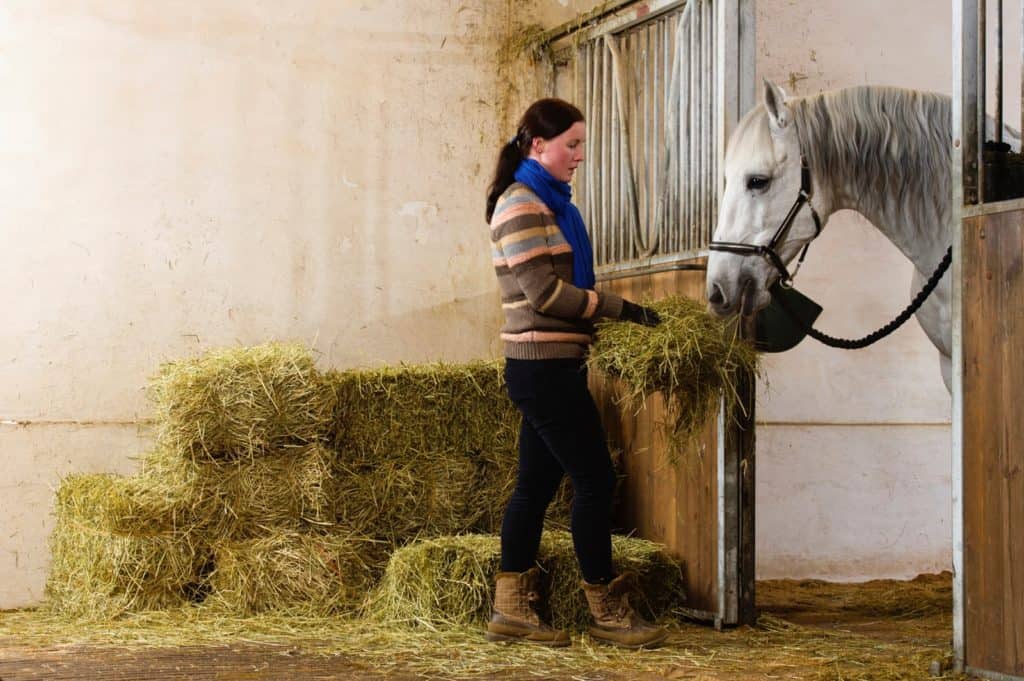
Researchers found that steaming appears to increase horses’ consumption of good-quality hay.

A Dec. 12 update indicates 338 WNV cases and 181 EEE cases have been reported since the start of the year.

Veterinarians are fine-tuning testing, prevention, and treatment methods for equine piroplasmosis.

The USA Equestrian Trust has awarded $55,000 in grants to help fund four projects by equine nonprofits

Can you see stress in your horse’s eyes? It’s possible if you’ve got an infrared thermographic camera.

A look at how and where impaction colic happens and what measures might reduce a horse’s risk.

Diet plays a very important role in managing insulin-resistant horses. Learn how you can use nutritional planning to manage this condition.

Taking preventative measures though diet and exercise are the best defenses against EMS development.
Dr. Amber Labelle discusses common equine eye diseases, their causes, symptoms, and treatments.