Colic Researchers: Tight Junctions Crucial in Gut Function
A research team is examining how infectious disease and inflammation impact cells in the horse’s gut.

A research team is examining how infectious disease and inflammation impact cells in the horse’s gut.
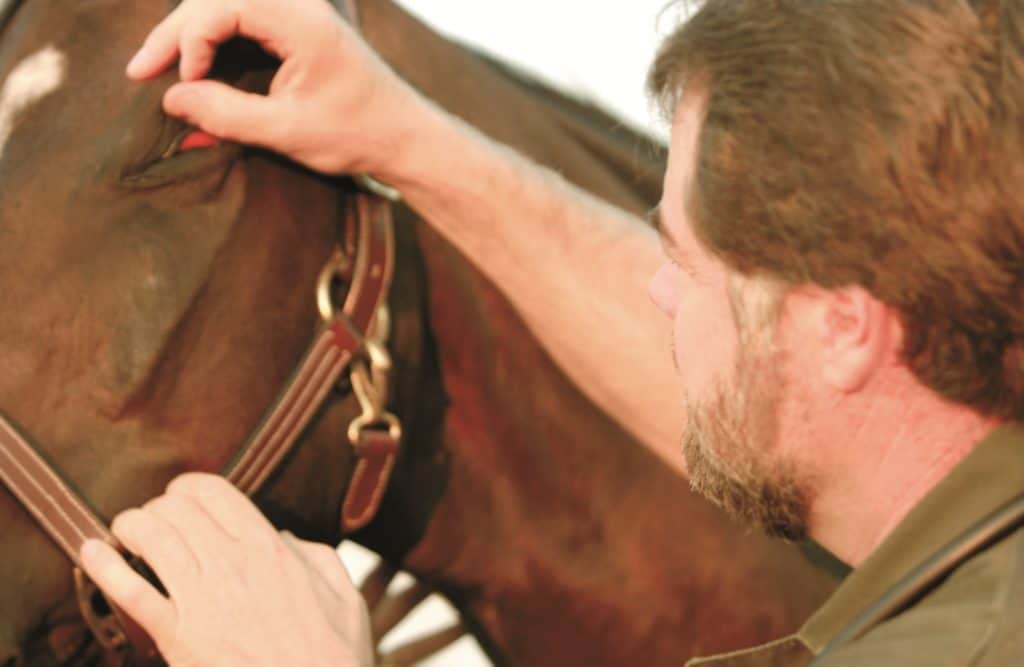
The acutely swollen eye can present many diagnostic challenges to the field practitioner.

A group of researchers and the Thoroughbred Owners of California issued a statement supporting furosemide use.
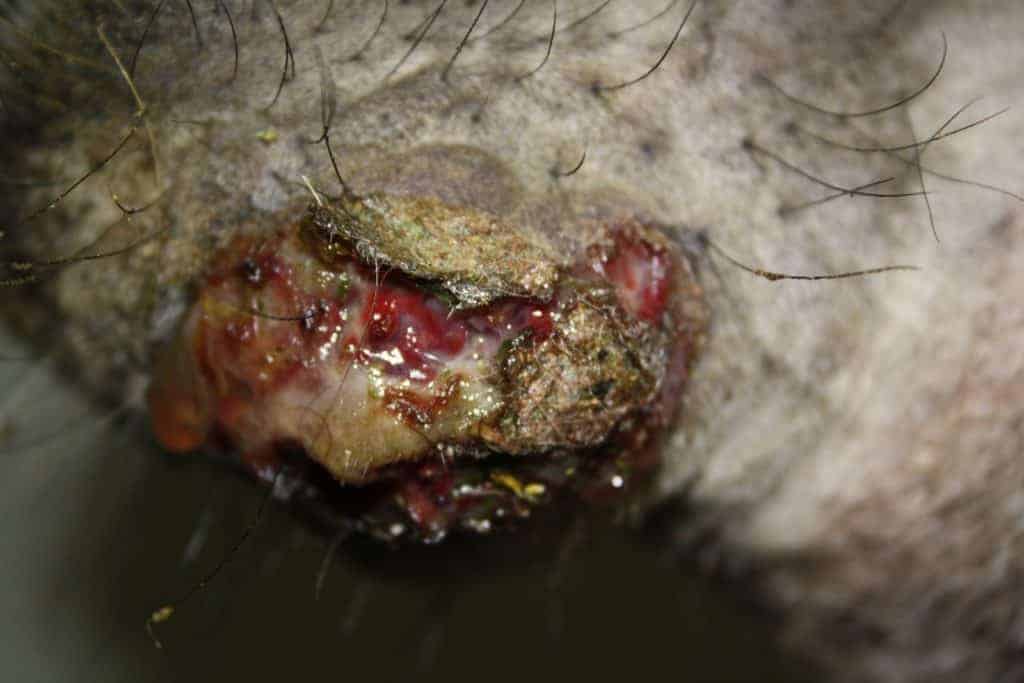
While eradicated from the United States since the 1940s, glanders is re-emerging in some parts of the world.
Officials voted to lift the equine piroplasmosis testing requirement at race tracks, beginning Feb. 1.

Some nutritionists have speculated that certain dietary supplements might assist with equine ulcer management.
There are 236 OIE reference laboratories covering 112 animal diseases, including equine-specific ailments.
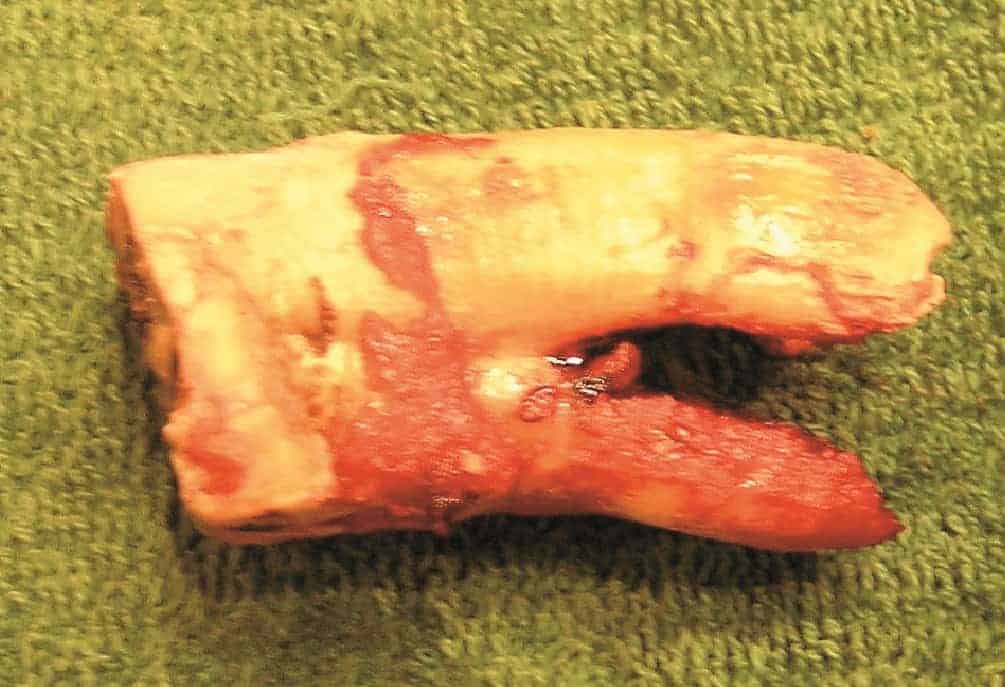
Planning for potential dental extraction complications is essential to a successful procedure.
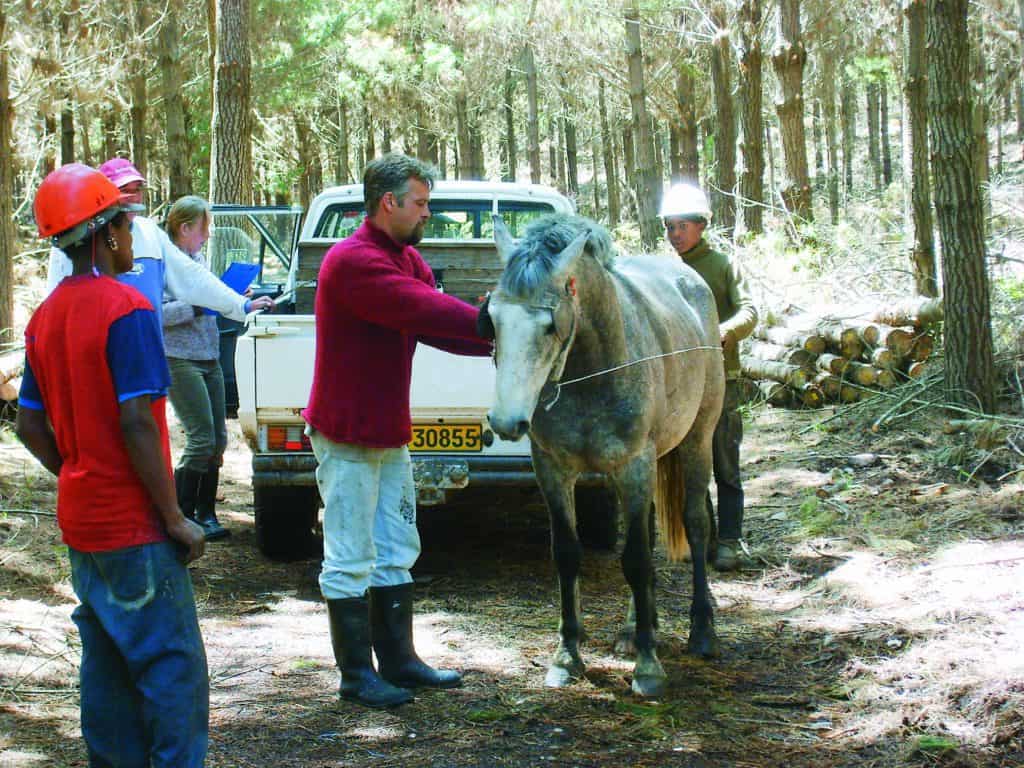
Authorities are encouraging horse owners to vaccinate annually to curb the impact of African horse sickness.

Ergovaline levels over 200 ppb (parts per billion) in mature hay can cause fescue toxicity in pregnant mares.
Officials are managing a hendra virus case near Mackay after a positive test result was received Jan. 22.
The UKVDL has confirmed 11 leptospirosis abortions so far in the 2012-2013 reproductive season.
Dr. Roberta Dwyer shares thoughts on the evolution of the publication produced by UK and Lloyd’s of London.
Researchers still do not know grass sickness’ cause and, therefore, lack any means for causal therapy.
Monthly First Tuesday lecture series focuses on equine eye cancer in February.

Hendra has not been detected before in that state; horse owners are urged to take precautionary measures.