New Horse Health Requirements for HITS Desert Circuit
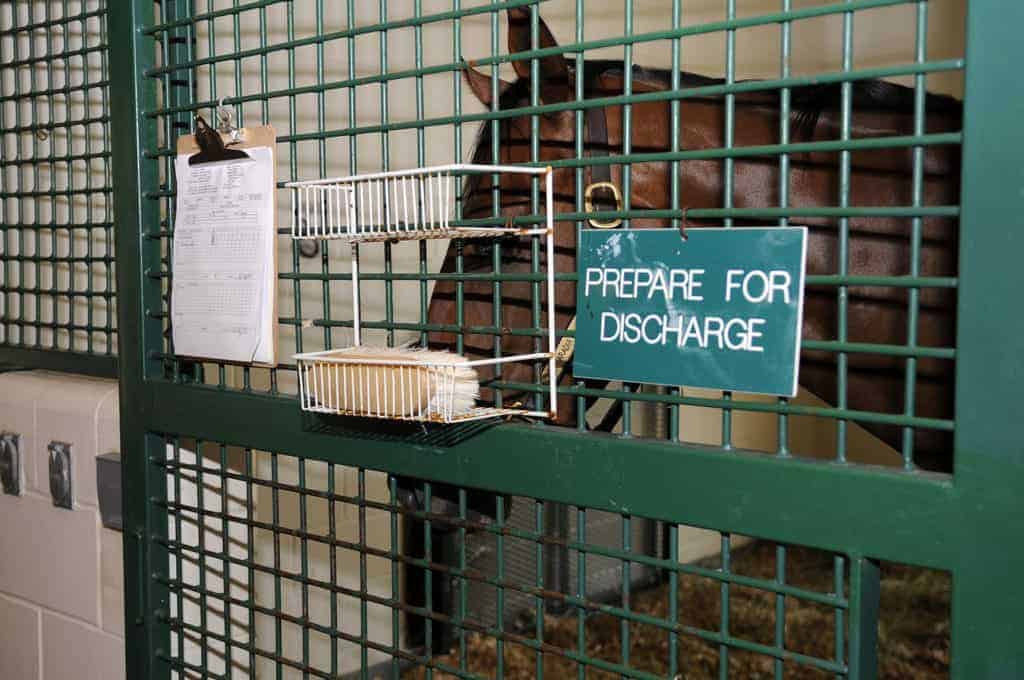
New for 2013 are equine health and safety procedures designed to “ensure a great show experience for all.”

New for 2013 are equine health and safety procedures designed to “ensure a great show experience for all.”
While PHF has a serious clinical impact on affected horses, some parameters are associated with survival.

Consider the following “wishes” equine experts made to help maximize your horses’ quality of life.
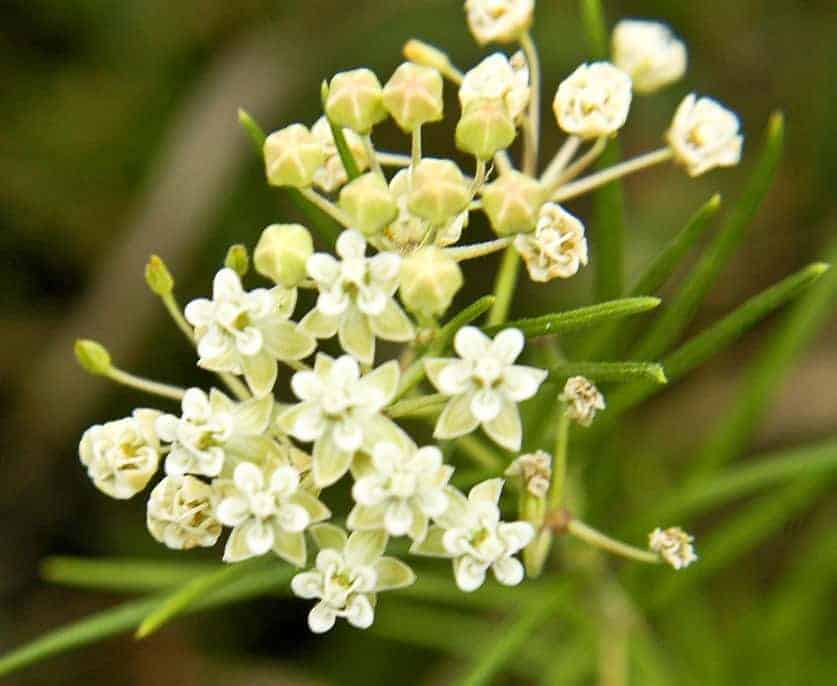
Preliminary results from Colorado State University suggests ingestion of the plant caused the horses’ deaths.

Attendees discussed several topics including the history of EP, regulatory issues, and practical topics.

The changes are designed to prevent mistakes in Salix administration prior to races.

At the most recent update, APHIS reported 609 equine WNV cases nationwide and 206 cases of equine EEE in 2012.
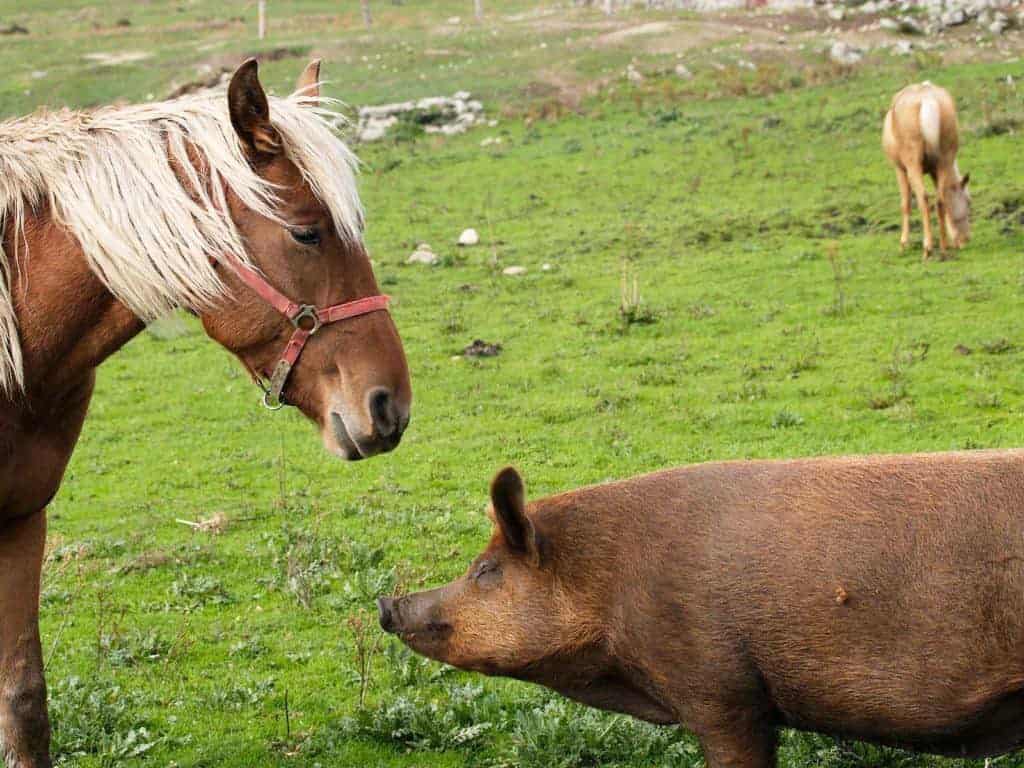
Dr. Connie Gebhart of the University of Minnesota’s Veterinary Diagnostics Laboratory shares her research of Lawsonia intracellularis in pigs and horse. The bacterium causes the intestinal disease equine proliferated enteropathy.

Paying attention to equine management can go a long way to decrease colic incidence.

Dr. Lisa Fortier recaps studies on upper respiratory tract health, colic, lameness, and racehorse health.

One of the most alarming infectious diseases in the equine industry is strangles.

Horses consuming Solanum plants could be at risk for ivermectin toxicity, even if the drug is dosed correctly.
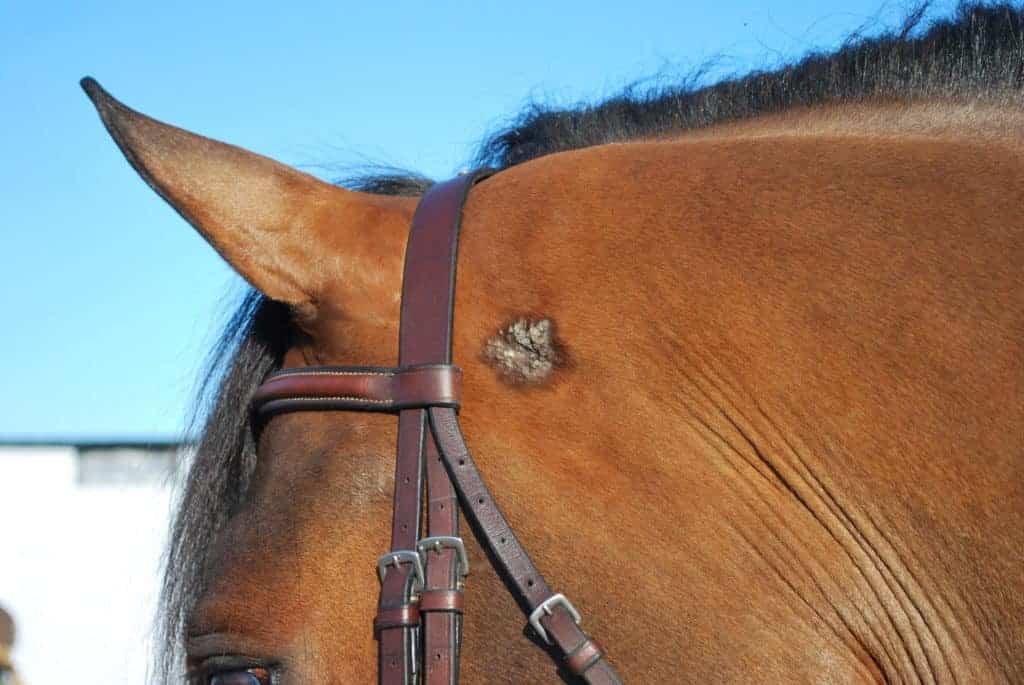
Washington State University’s Dr. Kelly Farnsworth talks about advancements in treating sarcoids, melanomas, and squamous cell carcinomas in horses during the 2012 AAEP Convention in Anaheim, Calif.

Recent outbreaks have prompted further investigation into the re-emergence and control in the United States.
The programs will highlight industry research findings, reproduction topics, and horse management issues.
Are there any treatments available for EPM that are safe for use in pregnant mares?