Practical Tips for Managing Obese Horses and Ponies
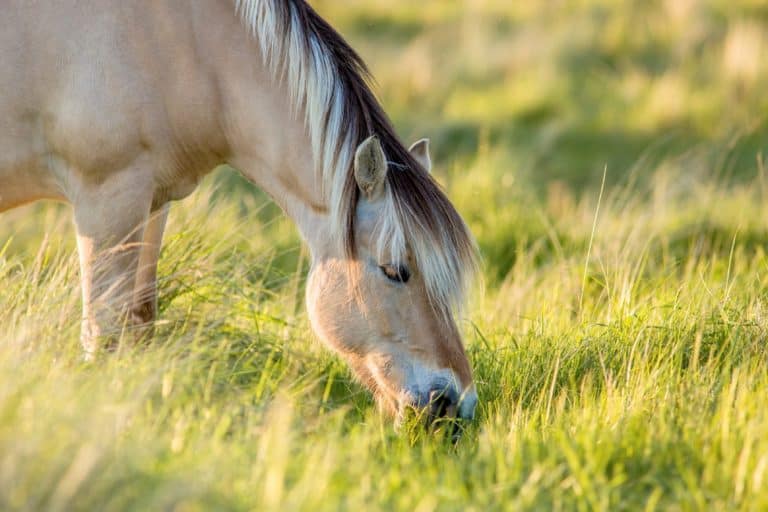
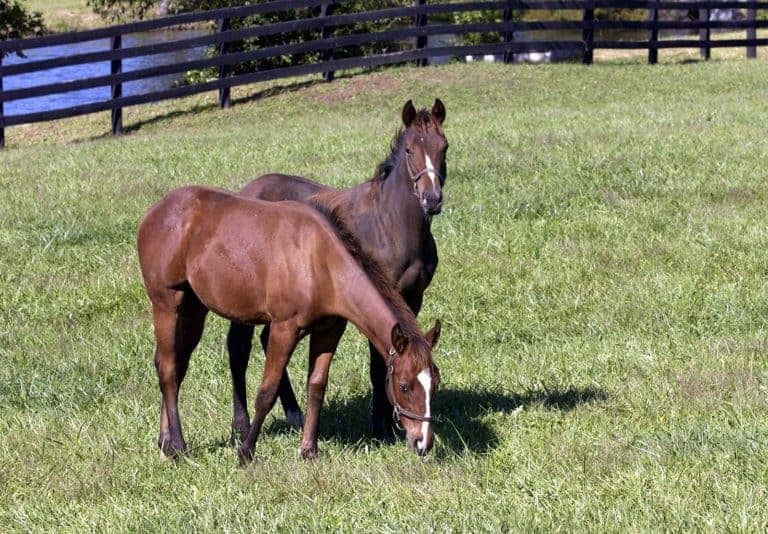
The ideal way to manage an obese horse or pony is to prevent it from becoming obese in the first place.

The ideal way to manage an obese horse or pony is to prevent it from becoming obese in the first place.
Disease control in developing countries must be cost-effective, practical, and acceptable to livestock owners.
Featured topics included equine protozoal myeloencephalitis, wobbler syndrome, and neurologic herpesvirus.

Ultrasonography successfully identified both small and large intestinal diseases and predicted surgery need.
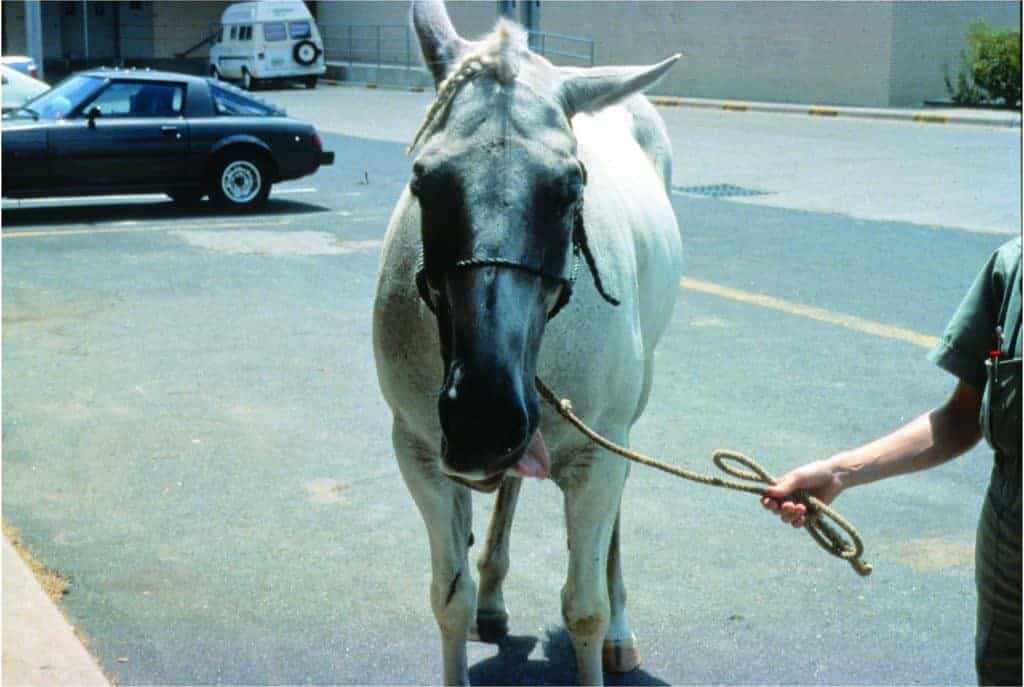
Researchers discuss the parasite’s life cycle, EPM diagnostic testing, and the S. neurona genome project.

Researchers noted no significant effects of treating horses with an anti-ulcerogenic supplement.
Two horses residing in Lake County, Fla., have died after contracting EEE; neither was vaccinated.
Topics discussed included racetrack testing requirements, current testing options, and recent reerach results.
Liz Durkin sponsored R.U. Levi, a Wobbler syndrome-afflicted Mustang who now serves as a teaching horse.
Since June 2011, the program has provided notification of more than 500 equine disease reports to subscribers.
More than 30 cases of pigeon fever in horses have been recently identified in Louisiana.
Researchers developed a “brain and immunity chip” to characterize molecular changes in the equine brain.
Attendees discussed hoof lameness, club feet, track surface’s effect on lameness, back and neck pain, and EPM.

Endocrinopathic laminitis might be more common in horses affected by endocrine disease than once believed.

Could your horse have a respiratory disease? Here’s how your vet will find out.
My horse got kicked in the lower throat area (esophagus) a while ago. Lately his breathing has been vigorous