Thoroughbred Champion Uncle Mo Retired
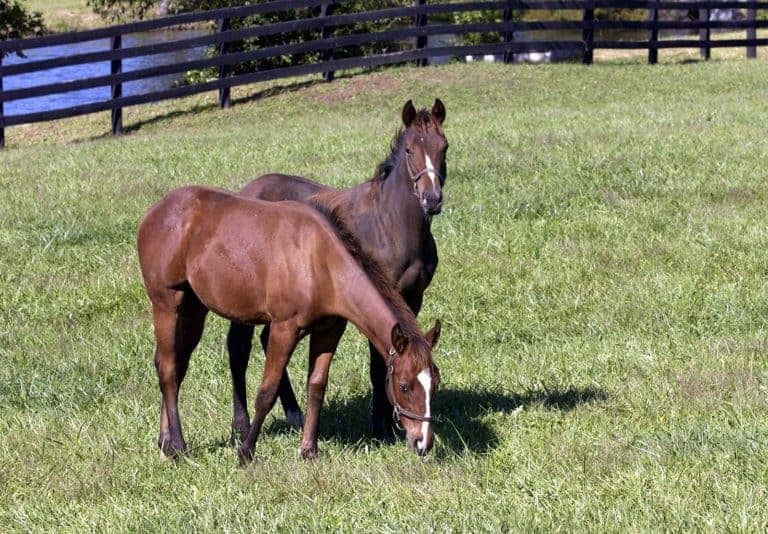
Mike Repole’s Uncle Mo, last year’s champion 2-year-old male who was scratched out of this year’s Kentucky

Mike Repole’s Uncle Mo, last year’s champion 2-year-old male who was scratched out of this year’s Kentucky
Balancing the digestive system is key to maintaining equine health by improving nutrient absorption.
The Rutgers ESC has added a virtual tour of their exercise physiology laboratory to their website.
Botulism and scrub tick infestations both cause the progressive muscular paralysis seen in the deceased horses
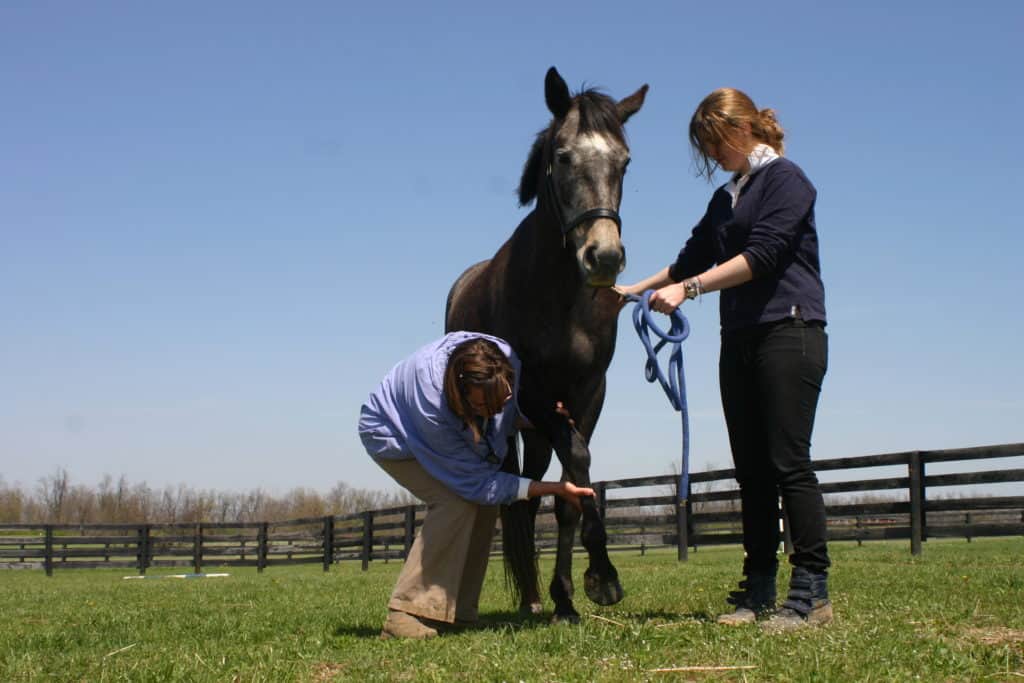
Wobbler syndrome is no longer a death sentence for horses if detected and managed early.
Endotoxin release–which happens when the bowel’s checks and balances are altered–causes serious issues.
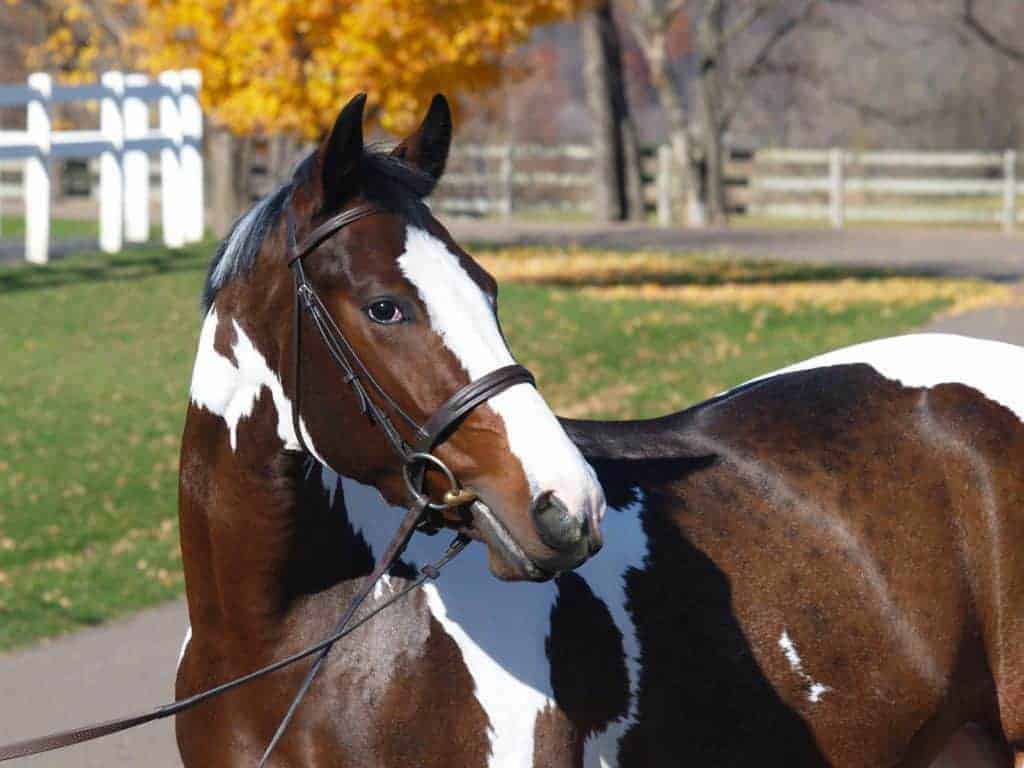
Studies offer conflicting information in regard to whether bit seating is beneficial to bitted horses.

Caring for deciduous teeth in young horses requires additional considerations from a veterinary standpoint.
Another Australia horse has tested positive for hendra virus, bringing the nation’s 2011 total to 23 cases.
The new regulations were prompted by increased use of the substance as a replacement for anabolic steroids.

Researchers noted a 9% mortality rate in horses bitten by rattlesnakes.

Australian health authorities are dealing with an unprecedented number and distribution of hendra cases.
The International Equine Conference on Laminitis and Diseases of the Foot features an expanded poster session.
An unvaccinated 11-year-old mare from Monmouth County, N.J., tested positive for WNV on Oct. 12.

Advancements in equine restorative dentistry are giving owners options when faced with some dental disorders.
A Queensland horse was euthanized after testing positive for hendra virus; national total stands at 22 cases.