Paraneoplastic Signs: First Indicators of Cancer in Horses?
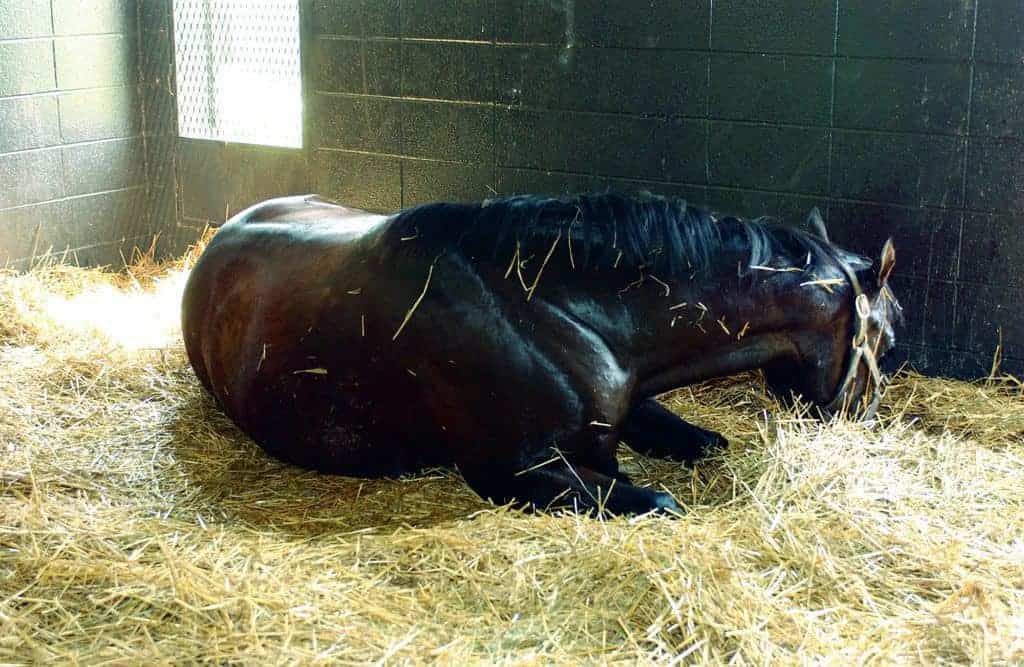
Paraneoplastic manifestations are often the first clue a horse has developed an internal form of cancer.

Paraneoplastic manifestations are often the first clue a horse has developed an internal form of cancer.
On Oct. 4, the New Bolton Center will present “BoTox: Good for Your Wrinkles, Not Good for Your Horse.”
Awesome Again returned home after undergoing colic surgery Sept. 13 at Rood and Riddle Equine Hospital.
Seven California horses have now tested positive for WNV, and an EEE case has been detected in Wisconsin.
Pfizer Animal Health is encouraging horse owners and veterinarians to follow the AAEP vaccination guidelines.

An unvaccinated Midland County horse is Michigan’s first equine fatality related to EEE in 2011.
Researchers review the characteristics and impact of epiglottic abnormalities in nonracehorses.
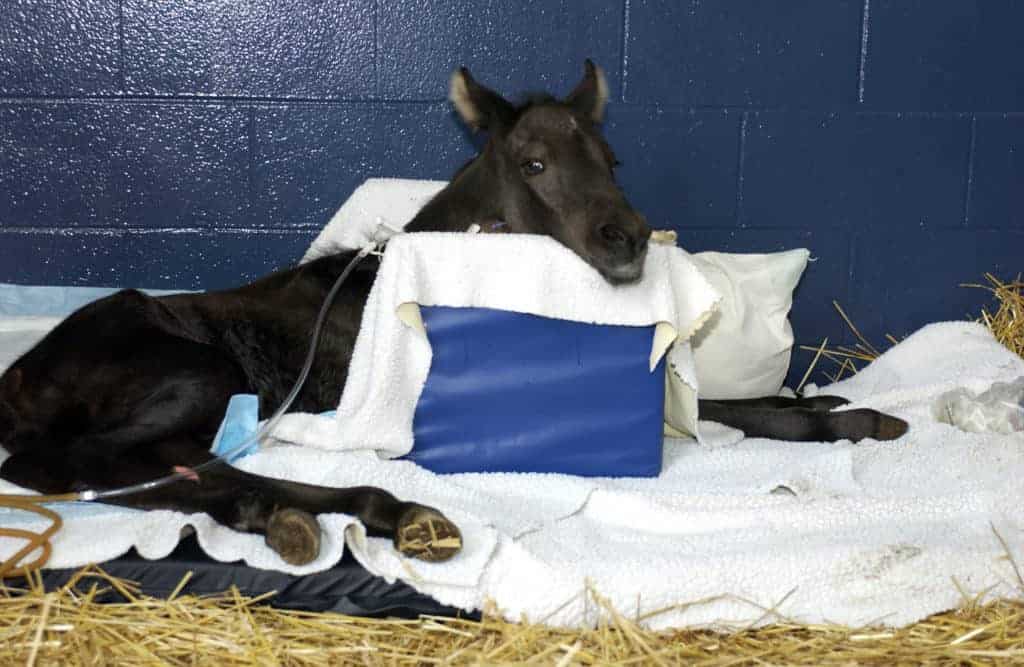
Researchers in the Netherlands have completed further research into developing an effective vaccine for the bacteria Rhodococcus equi, which is known to cause pneumonia and other sometimes fatal infections in young foals.
Awesome Again is recuperating from colic surgery performed Sept. 13 at Rood & Riddle Equine Hospital.

Hepatic lipidosis (fat deposits in the liver) proves fatal for 40% and 80% of affected ponies and horses.

Here are the steps to take when introducing a new horse to your farm, and to reduce disease spread within your herd.

Salmonellosis and colitis–two equine ailments that are commonly associated with each other–are a bit like the chicken and the egg: you don’t always know which came first, according to Jamie DeFazio, CVT, VTS-EVN.
The recording of our Ask the Vet LIVE Q&A event on Avoiding Respiratory Problems in the Barn is now online!
TheHorse.com’s free “The Many Faces of EPM Take 2” webinar will be held on Sept. 27.
Certain parts of the horse’s digestive tract are associated with higher risks of developing colic.
All horses originating from Texas must be accompanied by proof of a negative EP test to enter Kentucky.