Groups Draw Line on Salix Ban in Thoroughbred Racing
Thoroughbred horsemen’s groups are drawing a line in the sand when it comes to the anti-bleeding drug Salix.

Thoroughbred horsemen’s groups are drawing a line in the sand when it comes to the anti-bleeding drug Salix.
A Queensland horse was confirmed positive for hendra virus today, bringing the national total to 20 cases.
University of Florida (UF) veterinarians are advancing knowledge about equine colic.
A 4-year-old North Carolina horse was euthanized recently after contracting Eastern equine encephalomyelitis.
A KHRC advisory panel approved a recommendation to prohibit the race day use of adjunct bleeder medications.
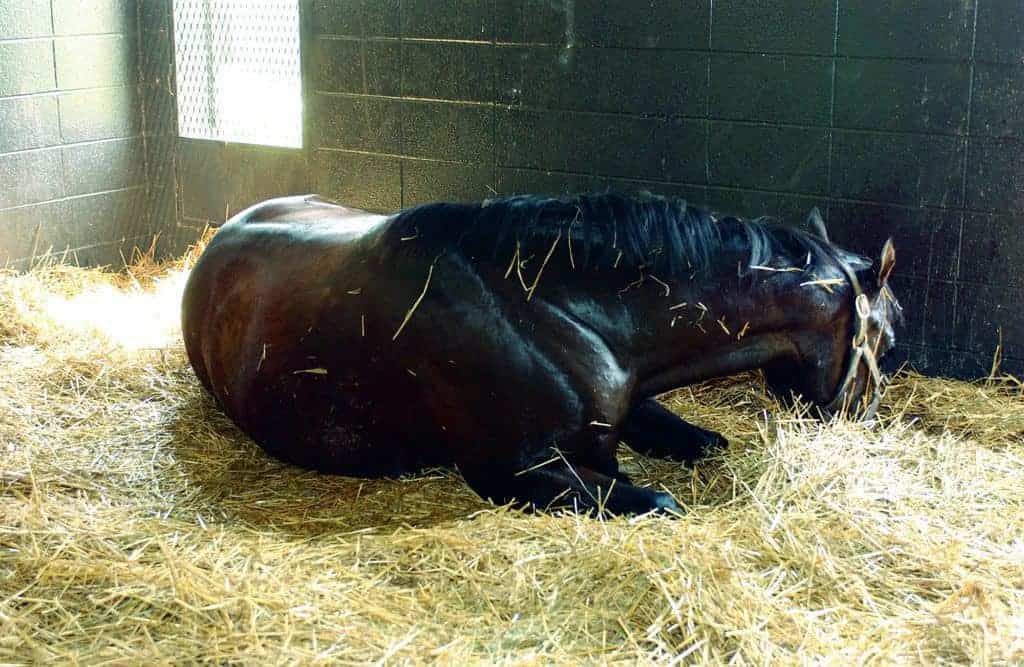
What are the most important things to consider and employ when dealing with a horse affected by chronic colic?
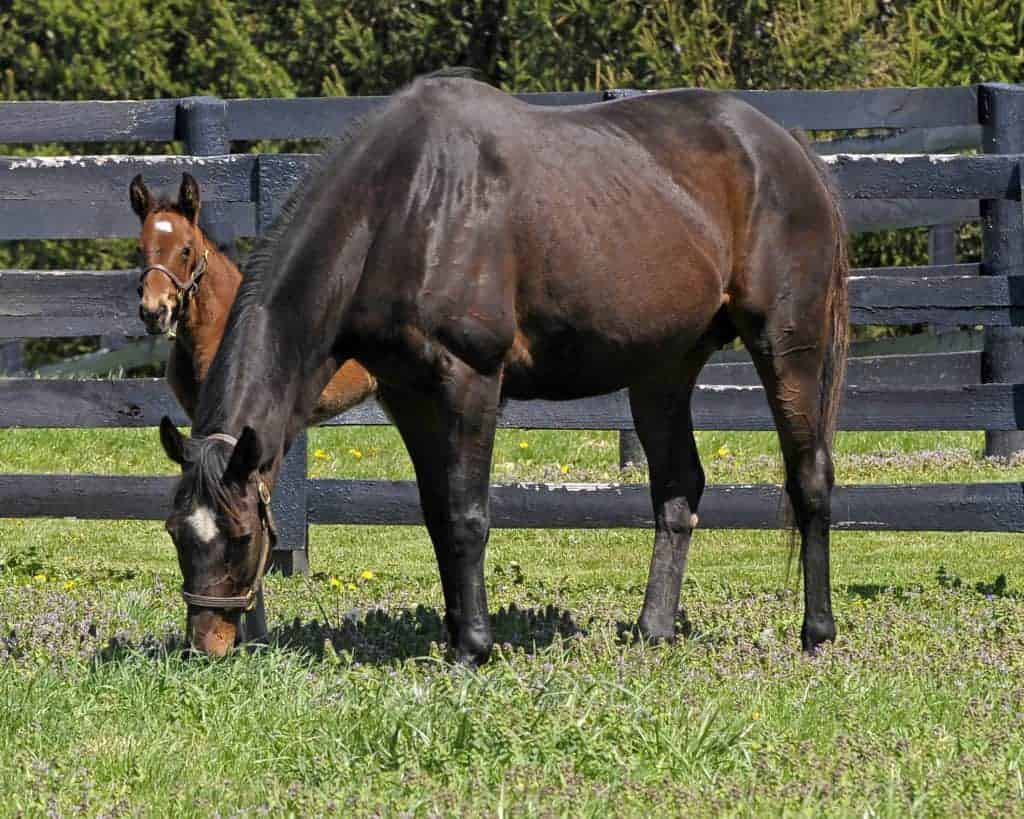
Tall fescue produces a toxic alkaloid that causes disorders in broodmares that consume the forage.
The latest Horse Course on equine malignant melanoma is now available for viewing on TheHorse.com.
Venezuelan equine encephalitis has been confirmed in the Mexican state of Tabasco
An unvaccinated Eddy County, New Mexico horse has tested positive for rabies.

The 2011 mosquito-borne disease season is in full swing as two Texas horses have tested positive for WNV.

Three new cases of hendra virus were confirmed Aug. 17 in New South Wales, bringing the national total to 19.
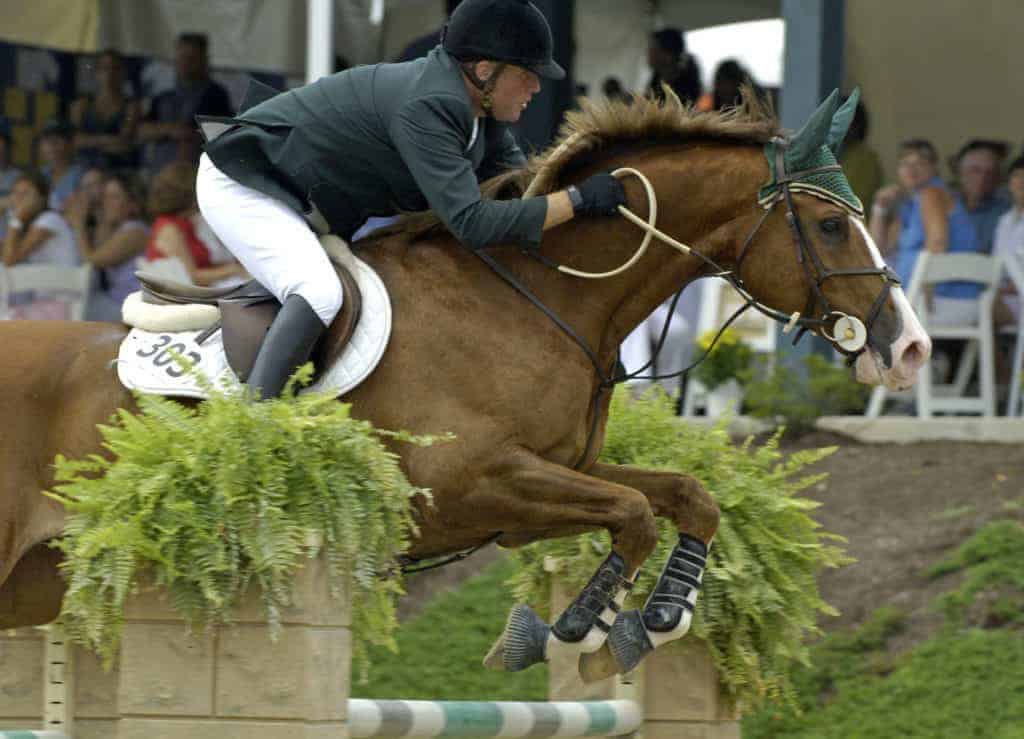
Recent studies show that gastric ulcers occur in a surprisingly high percentage of performance horses.
A sixth horse tested positive for hendra virus in Australia, bringing the total to 16 confirmed cases.

What factors do veterinarians look for when deciding whether to refer a horse to a hospital for colic surgery?
The Jockey Club reiterated its calls for a ban of Salix but made it clear it wants medication-free racing.