Additional New York Horse Positive for EEE
A third Oneida County horse was euthanized due to neurologic signs prompted by Eastern equine encephalitis.

A third Oneida County horse was euthanized due to neurologic signs prompted by Eastern equine encephalitis.

Grazing muzzles can be effective at reducing pasture intake, sometimes reducing intake by as much as 85%.

Electrochemotherapy yielded a high nonrecurrence rate of 99.5% for individual sarcoids in the current study.
A 6-year-old Standardbred mare from Fleming County, Kentucky, tested positive for West Nile virus Sept. 2.

A number of air quality factors in barns can make it harder for your horse to breathe, compromising his health and performance.
When a horse needs surgery, what’s his prognosis for a full recovery? What problems can occur during recovery?
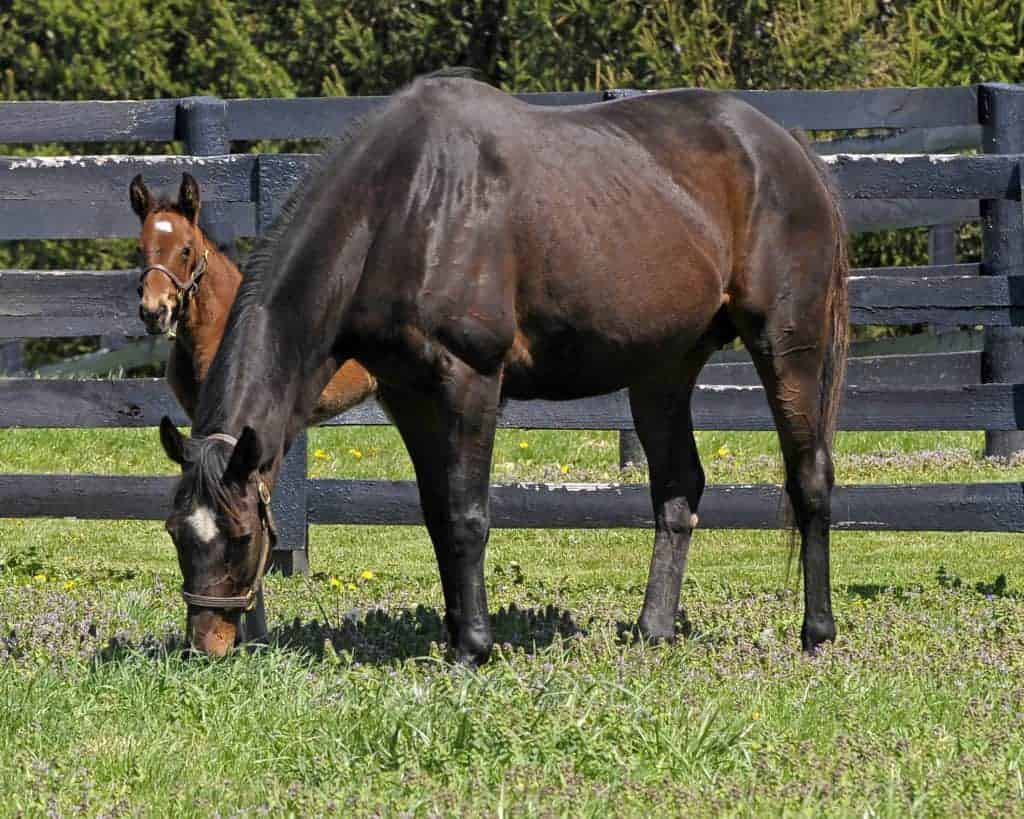
Peripartum colic is a common but sometimes life-threatening complication often seen in broodmares.
A tenth horse in New South Wales has tested positive for hendra virus, bringing the national total to 21.
While swimming-induced colic does occur, it doesn’t happen as frequently as some might have thought.

Special considerations should be made when evaluating a colicky foal as opposed to an adult horse.
Gluck Equine Research Center’s Dr. John Timoney co-authored a paper on vaccines for Streptococcus equi.
Between May and July, the UKVDL confirmed three deaths and 14 cases of Potomac horse fever in Kentucky.
Two more Wisconsin horses have tested positive for EEE, bringing the total number of equine cases to three.

Forty horses from one Clarksville, Ark., farm have died or been euthanized after testing positive for EIA.
Tune in on September 1 for an Ask the Vet LIVE online Q&A about Avoiding Respiratory Problems in the Barn.

Mapping airborne particles in horse barns could help minimize the risk and/or prevalence of airway disease.