Scoping Events Show Prevalence of Equine Gastric Ulcers

Equine gastric ulcer syndrome (EGUS) can occur in horses anywhere. In 2007, Merial (the maker of Ulcergard and Gastrogard) illustrated the prevalence of EGUS by hosting gastroscopy events at two universities on opposite sides of the country.

Read More

Correcting Large Colon Displacement

Left dorsal displacement of the large colon isn’t the most common cause of colic–only about 6-8% of colics are caused by this. However, up to 21% of affected horses tend to displace again, even after surgical correction. These horses often have

Read More

Study: Corneal Transplants Safe and Effective in Horses

According to a retrospective study involving 206 horses, corneal transplants can successfully restore vision in horses with a variety of eye problems including melting ulcers, iris prolapsed, stromal abscesses, and in horses that were not

Read More

Virginia Tech Vets Tackle Upper Respiratory Disorders

At Virginia Tech’s Marion duPont Scott Equine Medical Center, a variety of treatments are available for correcting disorders of the upper respiratory system and improving the odds of performance success.

Equine upper respiratory disorders ofte

Read More

British Group Develops Strangles Diagnostic Test

After four years of research by scientists at the Animal Health Trust in Newmarket, a new diagnostic blood test has been developed to combat the virulent horse disease strangles.

The blood test identifies horses that have recently been

Read More

Dealing with Emerging Infectious Diseases

Scientists are becoming increasingly concerned about the marked and persistent development of emerging infectious diseases–infections that are new to a population or geographic area, have appeared more frequently, or have become more virulent (abl

Read More

Septicemia in Foals

Septicemia can manifest as pneumonia, diarrhea, meningitis (inflammation of the membranes of the brain and spinal cord), and joint and/or umbilical infections in the foal.

Read More

Leptospirosis: What Is It?

Leptospirosis does affect horses, and it can be the cause of some serious health problems, including abortion in pregnant mares and chronic uveitis (moon blindness).

Read More

Tough to Swallow

My 3-year-old pony mare developed a purulent (discharging pus) head infection last summer and was subsequently diagnosed with a stenotic (narrowing) left guttural pouch, which required two laser surgeries to correct.

Read More

More From The Horse

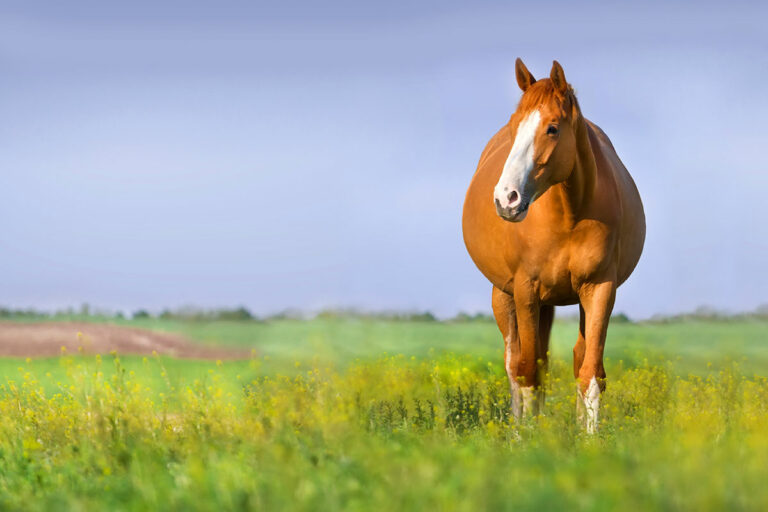
pregnant chestnut mare standing in field
Pferd im herbstlichen Wald
hydroponic fodder system
Beautiful Arabian horse silhouette against morning sun shining through haze and trees

Stay on top of the most recent Horse Health news with

FREE weekly newsletters from TheHorse.com

Weekly Poll

sponsored by:

Create a free account with TheHorse.com!

The Horse
Privacy Overview

This website uses cookies so that we can provide you with the best user experience possible. Cookie information is stored in your browser and performs functions such as recognising you when you return to our website and helping our team to understand which sections of the website you find most interesting and useful.