Learn about the clinical signs of colic and what to do if your horse experiences a bout.


Researchers say progressive changes in diets lead to healthier microbiomes and fewer digestive issues, such as diarrhea and colic.

A heart murmur diagnosis can raise many questions: Is my horse safe to ride? Is my horse going to die? Is there anything I can do? The answers to those questions usually require further investigation.
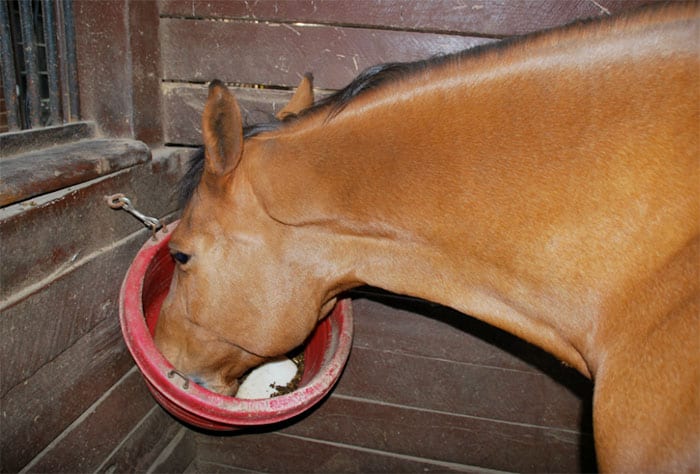
Showing, training, traveling, or even lifestyle changes can put your horse under stress that risks his health. The right nutritional choices can support his immune system, GI tract, and overall well-being. Learn how.

The Sacramento County case marks the state’s 19th confirmed equine case for 2020.


This is the state’s 14th confirmed WNV case in 2020.

The affected horse’s boarding facility in Lewis County is under voluntary quarantine.

A Thurston County facility confirms three horses positive, with another four exposed.
Nearly 40 Riverside County burros have died from the disease.

The state’s tally of confirmed equine EEE cases this year reaches 21.

The affected horse’s facility in Mason County is under voluntary quarantine.
A Linn County Quarter Horse tested positive for the respiratory disease. Ten additional horses are suspected positive and under a voluntary quarantine.